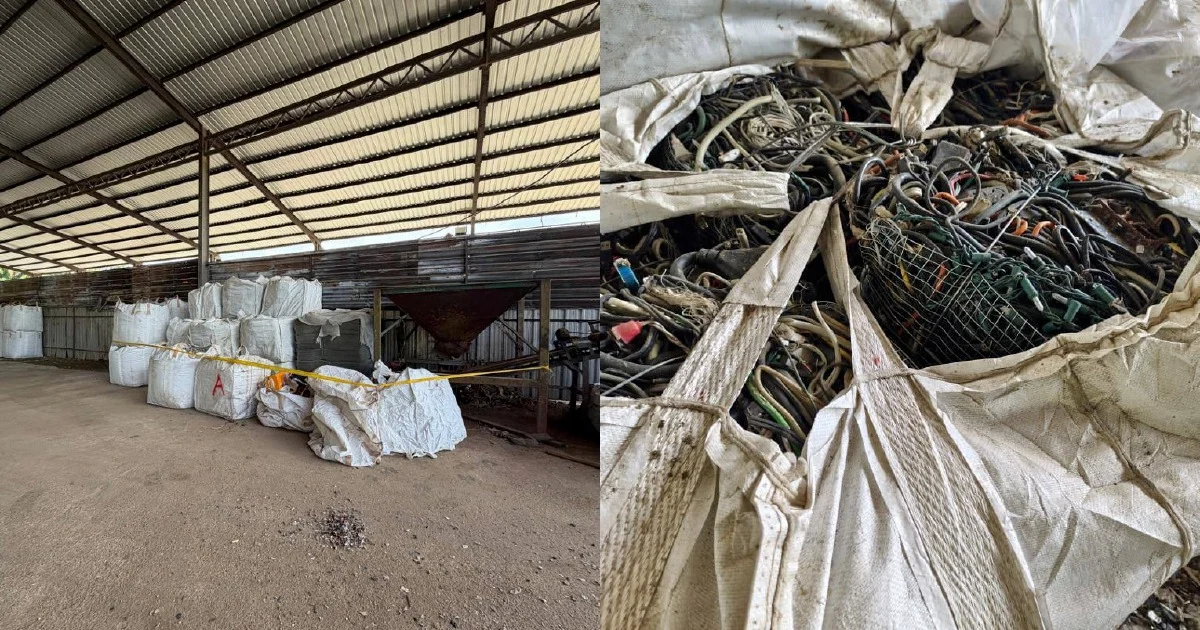
Enforcement officers conducted a large-scale operation in Bukit Mertajam yesterday, successfully shutting down what appears to be a major unlicensed e-waste processing hub that had been operating beneath regulatory radar. The seizure of materials valued at approximately RM3 million represents one of the more significant interdictions of illegally handled electronic refuse in the region in recent months, highlighting the growing sophistication of underground recycling networks across Peninsular Malaysia.
The facility, which authorities determined had been engaged in both processing and long-term storage of electronic waste without proper permits or environmental safeguards, was dismantled following intelligence that guided enforcement personnel to the location. Among those detained were five individuals alleged to have been directly involved in the operation's day-to-day management and the treatment of confiscated materials. The scale of the cache discovered underscores persistent vulnerabilities in supply chain oversight, particularly as demand for illicit recycling services continues to expand across the manufacturing corridors of Penang and Selangor.
Electronic waste has emerged as a critical challenge for Malaysian environmental and law enforcement agencies. The materials contain hazardous substances—including mercury, lead, cadmium, and various toxic compounds—that pose serious risks to human health and ecological systems when processed without proper containment, ventilation, and disposal protocols. Unlicensed operators typically lack the infrastructure to safely extract valuable metals and components, instead exposing workers and surrounding communities to carcinogenic fumes and contaminated groundwater.
The Bukit Mertajam discovery reflects broader patterns observed across the nation. As global manufacturers increasingly outsource the handling of discarded electronics to developing economies, Malaysia has become a transit point and processing destination for e-waste originating from advanced nations. While legitimate recyclers operate within strict guidelines set by the Department of Environment, the economic incentives for salvaging precious metals from circuit boards have spawned a shadow industry that circumvents regulation.
Law enforcement coordination appears to have improved in tracking these clandestine operations. The information that triggered yesterday's raid demonstrates growing intelligence-sharing between environmental agencies and police units focused on organised crime. Previous investigations in Johor and Perak revealed that some e-waste networks maintain sophisticated distribution channels, often concealing shipments within containers labelled as used machinery or general scrap metal to evade customs detection at ports.
The detained individuals face potential charges under environmental protection statutes, specifically provisions concerning the improper handling and storage of hazardous waste. Sentences for trafficking in electronic refuse can be substantial, combining custodial terms with significant financial penalties. The investigations now underway are expected to illuminate the supply chain feeding this particular operation—determining whether the materials originated from domestic sources, imported shipments, or a combination thereof.
For businesses and consumers in Malaysia, these enforcement actions carry important implications. Legitimate electronics recyclers, who invest heavily in compliant infrastructure, face unfair competition from illegal processors operating without the cost burden of proper environmental management. This price distortion incentivises companies and institutional buyers to channel e-waste toward unlicensed operators, inadvertently perpetuating the cycle. Educational campaigns have had limited success in convincing consumers that proper disposal, though potentially more expensive, protects long-term environmental stability.
The geographic location of the bust is significant. Bukit Mertajam, situated within the Penang industrial belt, serves as a logistics hub for manufacturing enterprises across northern Peninsular Malaysia. The region's density of electronics factories, coupled with its proximity to ports and established smuggling routes, makes it an attractive locus for black-market recycling. Previous raids in the state have occasionally uncovered operations processing e-waste imported from neighbouring Thailand and Indonesia, suggesting that regional smuggling networks exploit porous enforcement capabilities.
Authorities have signalled that operations of this scale will face escalated scrutiny in coming months. The Department of Environment, in coordination with police environmental crime units and customs enforcement, has indicated intentions to increase workplace inspections and port-level monitoring of suspected e-waste shipments. Industry associations representing legitimate recyclers have welcomed such intensified enforcement, viewing it as essential to level the playing field and ensure that compliant businesses can compete without subsidising illegal operators through unfair cost structures.
The broader challenge remains one of capacity and resources. E-waste processing generates minimal immediate environmental damage signals that trigger neighbour complaints—unlike manufacturing plants belching visible pollution. Unlicensed facilities often occupy industrial properties leased under false pretences or operate during off-hours, making spontaneous detection difficult. The reliance on intelligence-led enforcement, as evidenced by yesterday's operation, suggests authorities recognise that proactive investigation rather than reactive complaint-handling proves more effective in dismantling these networks.
Moving forward, industry observers anticipate increased pressure on buyers of recycled materials to verify legitimacy of supply sources. Some multinational electronics manufacturers are beginning to implement blockchain-based tracking systems to document the journey of their discarded products through certified recyclers, reducing demand for illicit channels. Malaysia's participation in emerging international standards for e-waste management could strengthen enforcement coordination with neighbouring jurisdictions and reduce the regulatory arbitrage that currently makes the region attractive to smuggling operations.