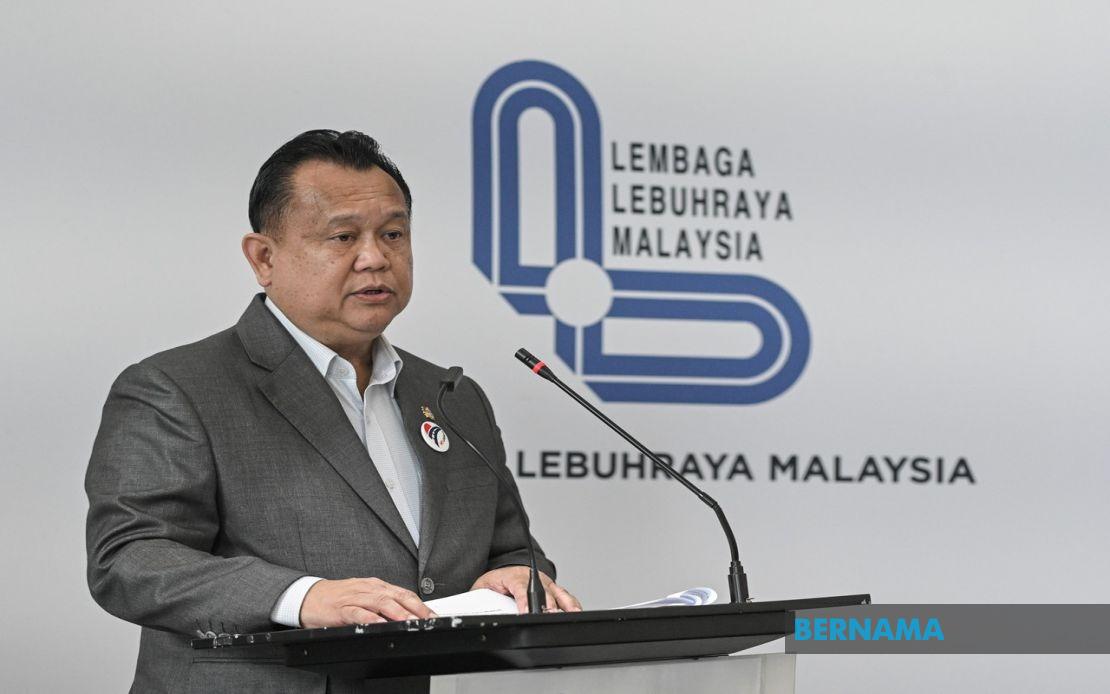
Malaysia's Works Ministry has committed RM25.2 million towards a comprehensive road safety enhancement programme, deploying solar-powered LED street lighting across 32 dangerous and accident-prone locations on the nation's highway networks. The initiative represents the government's determination to address the persistent challenge of road fatalities through infrastructure investment, with Works Minister Datuk Seri Alexander Nanta Linggi overseeing the rollout of what officials describe as a data-driven response to accident hotspots identified across the country.
The project encompasses the installation of 3,000 light poles strategically positioned at validated high-risk zones, functioning as a cornerstone component of the broader MADANI Monitoring programme. This framework seeks to enhance visibility and reduce accident rates during night hours, a critical factor given that Malaysia has historically experienced elevated nocturnal road incident rates. The government's focus on these specific locations reflects an analytical approach to road safety, targeting interventions where evidence demonstrates the greatest potential for harm reduction.
The financial commitment originated from Prime Minister Datuk Seri Anwar Ibrahim's announcement of road safety funding during the 2026 Budget presentation in October. Originally earmarked at RM30 million, the government has decided to deploy RM25.2 million in this initial implementation phase, with the remaining allocation held in reserve for future assessments and additional requirements. This phased approach allows authorities to evaluate effectiveness and adjust subsequent deployments based on real-world performance data and changing infrastructure needs.
The Works Ministry has coordinated closely with the Finance Ministry and the Malaysian Highway Authority (LLM) to structure this collaboration, ensuring fiscal prudence while maintaining technical standards for the lighting infrastructure. The partnership reflects recognition that highway safety demands coordinated effort across multiple government agencies, each contributing specialised expertise towards the common objective of reducing road incidents and fatalities.
The choice of solar-powered LED technology carries significant implications beyond immediate safety benefits. Solar systems eliminate ongoing electricity costs and reduce operational burden on Malaysia's power grid, while LED lighting provides superior brightness and longevity compared to conventional street lamps. This technology selection aligns with Malaysia's broader sustainability objectives and demonstrates how road safety initiatives can simultaneously advance environmental goals through reduced carbon footprints and lower energy consumption.
Administrative progress on the project has accelerated substantially following the formal handover of the Letter of Acceptance (SST) to the selected contractor, enabling immediate commencement of on-site construction work. This contractual milestone signifies that detailed planning and procurement phases have concluded, positioning the initiative to move directly into physical implementation. The compressed timeline reflects government prioritisation of the road safety agenda and commitment to delivering tangible results within a defined period.
The project completion target of November 2024 establishes a fixed deadline for delivering all 3,000 light poles across the 32 identified locations. Achieving this timeframe will require coordinated logistics, efficient supply chain management, and sustained contractor performance across multiple geographically dispersed sites. The ambitious schedule suggests that government oversight mechanisms have been strengthened to ensure accountability and timely delivery of this infrastructure commitment.
For Malaysian highway users, the anticipated impact could be substantial. Reduced accident rates during night-time driving hours would translate directly to fewer fatalities and injuries, representing measurable progress on a public health crisis that claims thousands of lives annually on Malaysian roads. Enhanced visibility at accident-prone zones should diminish driver errors caused by poor lighting conditions and improve emergency response capabilities by making incident scenes more visible to other motorists.
Regionally, Malaysia's investment in solar-powered road safety infrastructure positions the nation as an early adopter of sustainable transport solutions in Southeast Asia. The approach combines established safety engineering principles with renewable energy technology, creating a replicable model that could influence transportation policy across the region. Other ASEAN members facing similar road safety challenges may view this initiative as a reference point for evidence-based infrastructure planning.
The allocation reflects evolving government perspective on transportation safety, shifting from reactive responses to crashes towards proactive infrastructure enhancement. By targeting demonstrated accident hotspots with precision-engineered solutions, authorities demonstrate commitment to data-informed policymaking. This methodological approach contrasts with less efficient interventions and establishes a framework for continuous improvement as outcomes data accumulates from the 32 pilot locations.
Stakeholders including highway users, transport operators, and safety advocates will be monitoring implementation progress carefully over the coming months. The November completion deadline provides a concrete marker against which to assess government delivery capacity on infrastructure commitments. Successful execution of this project would bolster confidence in similar future initiatives, while delays or cost overruns could invite scrutiny regarding project management capabilities.
Beyond immediate safety benefits, this investment signals broader government recognition that road safety demands sustained financial commitment and technological innovation. As Malaysia continues grappling with accident rates among the highest in the region, demonstrating tangible progress through visible infrastructure improvements helps build public confidence in government effectiveness. The solar LED programme thus serves simultaneously as practical safety intervention and political signal of administration responsiveness to community concerns about highway dangers.

