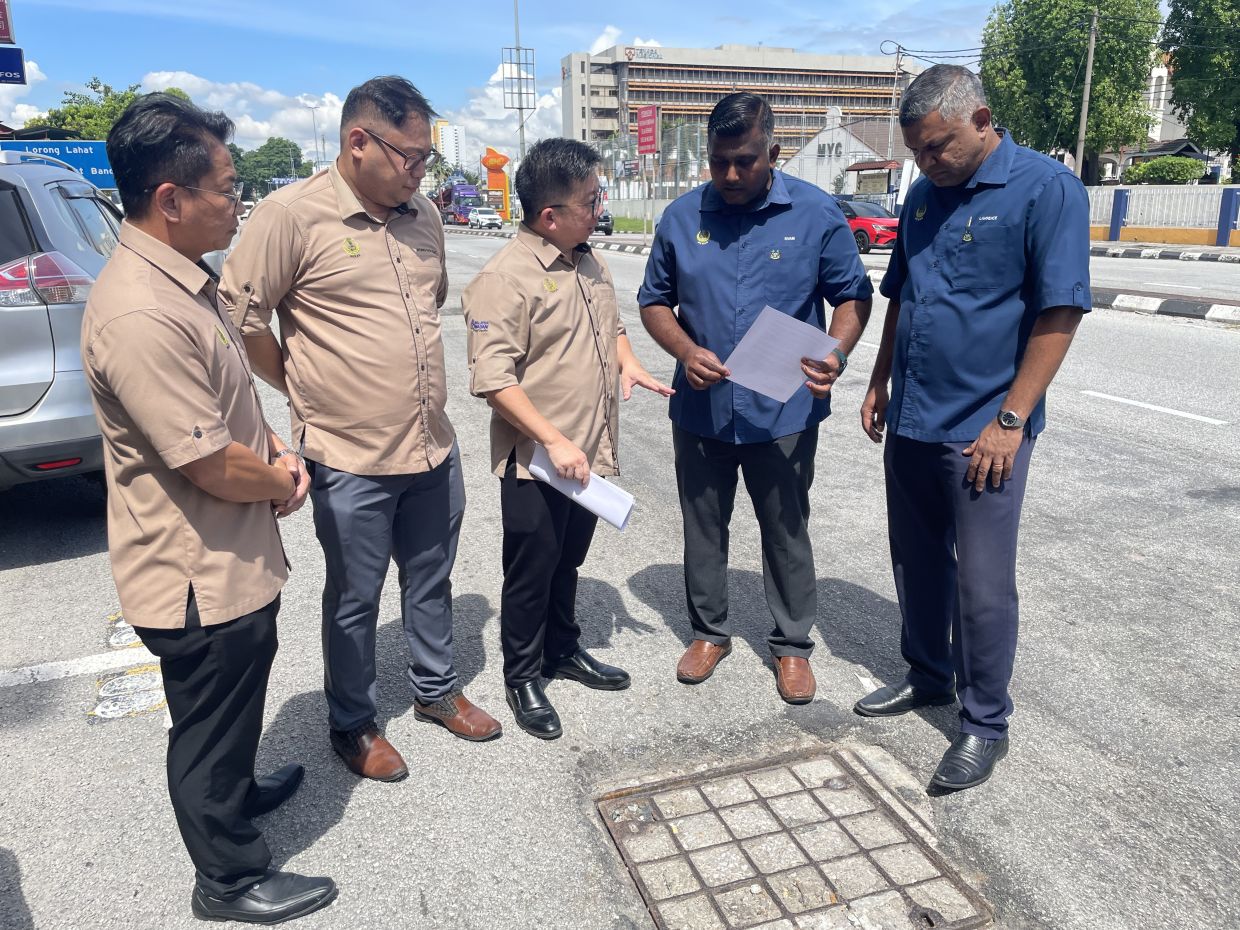
Motorists traversing Ipoh's Jalan Lahat can expect tangible relief from their ongoing ordeal with deteriorating road conditions, as a RM2.6mil resurfacing programme is poised to commence next month. The initiative will address nearly 4 kilometres of the troubled thoroughfare, which has become synonymous with tyre punctures and safety hazards among road users in the state capital. The project encompasses the vital corridor linking the state constituencies of Buntong, Tebing Tinggi and Menglembu, serving as a critical arterial route through multiple residential, commercial and educational precincts.
Menglembu assemblyman Chaw Kam Foon confirmed on Wednesday that the resurfacing works, backed by funding channelled through the Malaysian Road Records Information System, will rectify both directions of Jalan Lahat spanning from the Falim traffic lights intersection through to the Jalan Leong Boon Swee junction adjacent to the Little India precinct. The strategic targeting of this particular stretch reflects recognition among local authorities that whilst the entire Jalan Lahat corridor stretches between 10 and 11 kilometres, the most acute deterioration has concentrated on approximately 1.9 kilometres in each direction. Chaw emphasised that the approval represents a significant victory for commuters who have endured chronic road surface problems that have plagued this well-travelled route for an extended period.
The urgency surrounding the project stems partly from heightened public awareness generated through social media activism, which has thrust the road's disrepair into the spotlight. Particularly, a viral video capturing a substantial pothole on a flyover section galvanised official attention and prompted swift patching measures. However, such interim repairs have proven insufficient given the systemic nature of the damage. During June alone, approximately 20 vehicles fell victim to tyre punctures after encountering potholes on the affected stretch, underscoring the genuine safety implications that extend beyond mere inconvenience to motorists.
Councillor K. Sivam provided additional context regarding the timeline for project realisation, noting that demands for comprehensive resurfacing have percolated through the system since 2024 without yielding results until the current financial year. The tendering process is now advancing, with construction activities scheduled to commence in July and completion anticipated within a three-week window. This compressed timeline reflects the concentrated nature of the works and suggests municipal authorities are committed to expeditious delivery following years of inaction on a road carrying substantial daily traffic volumes.
The particular vulnerability of Jalan Lahat to rapid deterioration stems from its critical role serving residential communities, educational institutions and commercial establishments across Ipoh. Heavy vehicular traffic, including substantial numbers of lorries and commercial vehicles, perpetually stresses the pavement structure, rendering previous patching interventions inadequate. Local officials acknowledge that such piecemeal repairs have consistently failed to arrest the underlying degradation, particularly given the region's tropical climate and moisture conditions that compromise superficial treatments applied without addressing foundational issues.
An often-overlooked contributor to the road's poor condition is past utility infrastructure work, specifically sewerage pipeline installations and related excavation activities. Sivam emphasised that whilst utility companies executed these works, the subsequent road restoration processes fell substantially short of required standards, leaving the surface weakened and prematurely aged. This dimension of the problem has prompted authorities to implement stricter oversight mechanisms moving forward, preventing repetition of the institutional failures that compounded the deteriorating condition.
The resurfacing programme encompasses more than simple asphalt replacement, incorporating several complementary elements designed to restore full functionality and safety to the corridor. Contractors will level existing manholes that protrude above the surface, address road undulations that create uncomfortable and potentially hazardous driving conditions, and repaint lane markings to enhance visibility and traffic organisation. These comprehensive measures represent a departure from previous reactive patching approaches and signal genuine commitment to achieving durable rehabilitation.
Future safeguards embedded within the project governance structure should theoretically prevent recurrence of the conditions that necessitated this expensive intervention. The Corridor Utiliti Darul Ridzuan authority has been tasked with monitoring any subsequent utility excavation activities, possessing authority to enforce compliance with approved restoration specifications. Companies failing to properly reinstate roads following their work face tangible consequences, including financial penalties, compounding orders and mandatory repair directives. This enforcement mechanism represents institutional learning from past failures where utility companies escaped accountability for substandard restoration.
For Malaysia's broader road maintenance infrastructure, the Jalan Lahat situation illustrates persistent challenges in coordinating maintenance responsibilities across multiple stakeholders and utility providers. The concentration of damage stemming from cumulative utility work underscores systemic weaknesses in enforcing restoration standards and accountability throughout the project lifecycle. The resurfacing project and enhanced monitoring framework offer a localised model addressing these coordination failures, though broader structural reforms may be required to prevent similar deterioration affecting other Malaysian thoroughfares subject to intensive utility activity.
The July commencement represents vindication for residents and commuters who have channelled frustration through social media platforms, demonstrating how public pressure can accelerate administrative responsiveness on infrastructure issues. Ipoh's experience suggests that sustained visibility of road condition problems can overcome bureaucratic inertia, though the extended period between initial complaints and project approval indicates room for improving responsiveness mechanisms within municipal governance structures. The RM2.6mil investment, whilst substantial, pales against the cumulative economic costs absorbed by motorists through tyre replacements, vehicle damage and productivity losses incurred whilst navigating the deteriorated surface.

