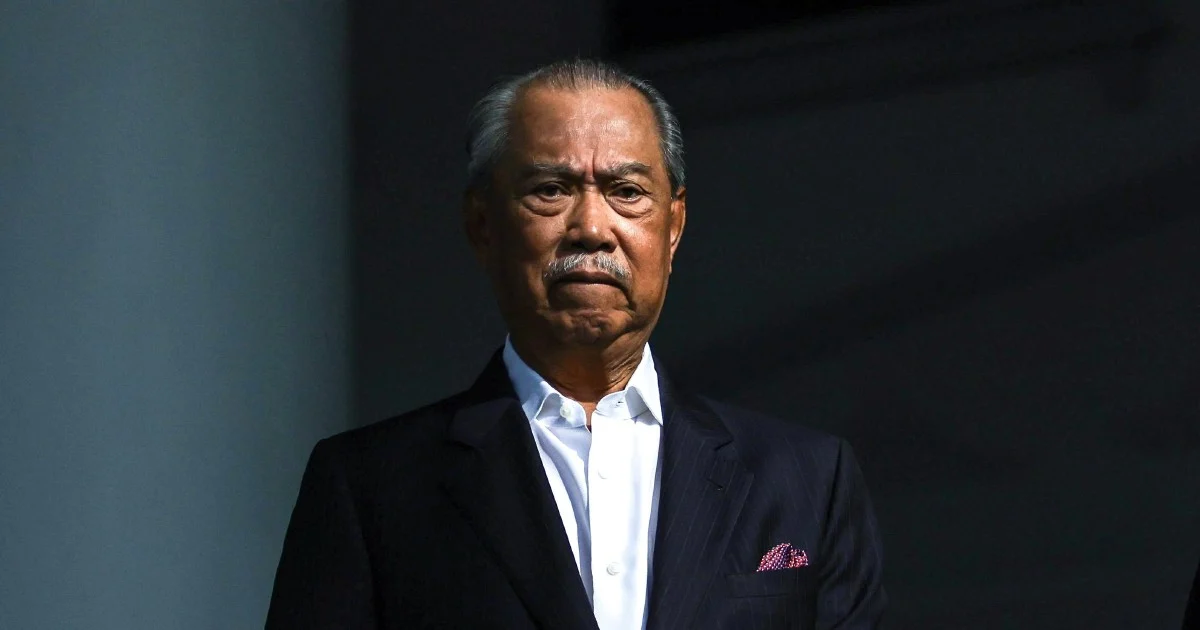
Parti Pribumi Bersatu Malaysia (Bersatu) faces substantial operational challenges following a court decision that has rendered RM195 million in party funds inaccessible. The frozen accounts represent a significant portion of the party's liquid assets and have created complications for routine operations, fundraising activities, and political campaign preparations at both national and state levels.
The freezing of these accounts stems from legal proceedings that reflect broader internal disputes within the party structure. Such financial constraints are particularly consequential for a political organisation that relies on steady cash flow to maintain party machinery, fund campaigns, and support elected representatives across Malaysia's various legislative chambers. The inability to deploy these resources represents not merely a technical banking issue but a strategic vulnerability during a period of intense political competition.
Bersatu's financial predicament comes at a juncture when the party is actively positioning itself within Malaysia's coalition politics. The party has been instrumental in several government formations and serves as a coalition partner in federal and state administrations. Restrictions on party funds could affect the party's capacity to retain members, organise grassroots activities, and mount effective electoral challenges in upcoming state and federal elections across the country.
The legal basis for the account freeze reflects contested claims over party ownership and control. Such disputes are not uncommon in Malaysian political parties, where questions about legitimate leadership, factional divisions, and regulatory compliance occasionally escalate into court proceedings. Courts must balance party autonomy with public interest in ensuring financial transparency and preventing misuse of organisational assets. In this instance, the judiciary has determined that freezing accounts serves the interests of justice pending final resolution of the underlying dispute.
For Malaysian readers following political developments, this situation illustrates how internal party conflicts can materialise as concrete financial constraints affecting political capacity. Unlike private companies where such disputes might be resolved through ordinary commercial law, political parties operate within a framework combining corporate governance principles, constitutional provisions, and political conventions. The courts' intervention highlights the complexity of arbitrating internal political matters while respecting democratic principles.
The implications extend beyond Bersatu's immediate operations. Other political parties monitor such proceedings with interest, as court decisions regarding party finances establish precedents for how Malaysian courts approach similar disputes. Political organisations across the spectrum maintain substantial accounts for campaign reserves, staff salaries, and operational expenses. Clarity regarding how courts treat contested claims over party assets affects all Malaysian political entities and may prompt some to review their internal governance structures and dispute resolution mechanisms.
Bersatu's situation also raises questions about party accountability and transparency. Political funding in Malaysia involves contributions from members, corporate donors, and government allocations for elected representatives. When substantial sums remain frozen pending legal resolution, stakeholders including party members, donors, and the public interest in understanding how these resources are managed. The party must articulate how it intends to manage operations whilst maintaining transparency about the status of these funds and the underlying legal issues.
The state-level impact deserves particular attention, given that several Malaysian states have Bersatu representatives in their legislative assemblies. State governments where Bersatu holds ministerial or significant parliamentary positions may face uncertainty regarding party funding for state-level activities and campaign preparations. This could affect party coordination between federal and state structures, potentially complicating policy implementation and electoral strategy across multiple jurisdictions.
From a broader governance perspective, this case highlights the ongoing tension between party autonomy and regulatory oversight in Malaysian politics. Whilst political parties require substantial freedom to manage internal affairs without excessive judicial intervention, courts must also protect party assets from misappropriation and ensure that organisational leadership exercises fiduciary responsibility. The challenge for Malaysian jurisprudence involves drawing appropriate lines that respect democratic principles whilst upholding rule of law.
Bersatu has not publicly detailed the specific timeline for resolving the underlying dispute or potential appeals to higher courts. Such legal proceedings typically proceed through successive judicial levels over months or years, meaning the party may face extended periods of restricted access to these funds. Depending on the case's complexity and the courts' docket, final resolution might not arrive before the next general election, creating strategic uncertainty during a critical period for political positioning.
The frozen accounts also illustrate how Malaysian politics remains dynamic and competitive, with legal mechanisms serving as tools through which political actors pursue advantage. Rather than viewing this solely as a governance failure, observers might recognise it as evidence that Malaysia's legal system remains willing to adjudicate political disputes, even when substantial sums are contested. Whether the eventual court decision satisfies all affected parties will likely influence political relationships and coalition dynamics moving forward, with ripple effects across Malaysia's political landscape.