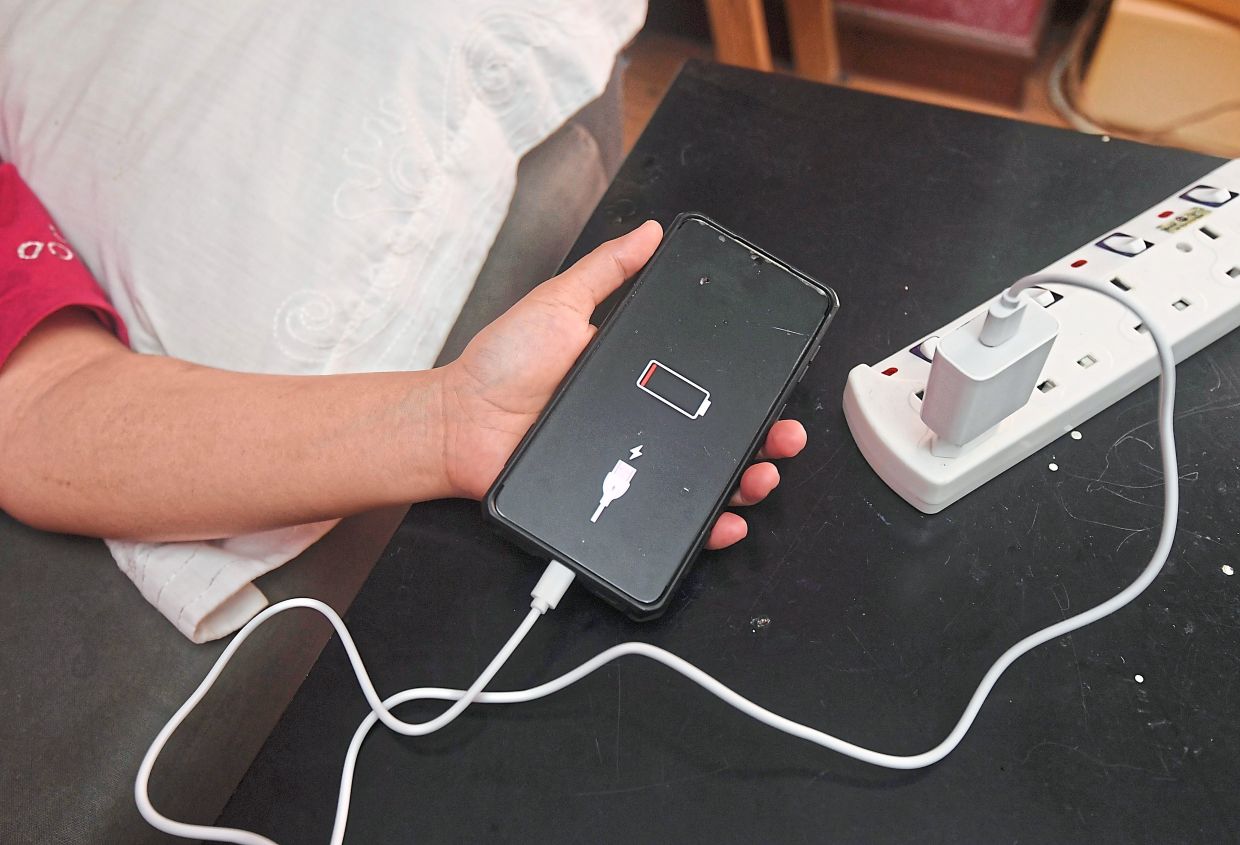
Malaysia's fire service has raised fresh alarms over mounting financial losses from domestic fires caused by improper device charging, with data revealing that unsafe practices connected to mobile phones, laptops and other electronics have destroyed nearly RM14.2 million worth of property over the past three years. The Jabatan Bomba dan Penyelamat Malaysia (JBPM) identified 59 separate incidents between 2023 and 2025, each originating from charging negligence or substandard equipment in homes across the country. The revelation underscores a persistent vulnerability in Malaysian household safety culture, particularly as device ownership proliferates and reliance on portable electronics deepens across all demographic segments.
The geographic distribution of these fires reveals a concerning concentration of risk in certain regions. Sarawak emerged as the most severely affected state, sustaining approximately RM9,707,956 in losses across just 11 recorded cases—a figure that represents nearly 68 percent of the national total and suggests particularly intense fire severity in that jurisdiction. Kelantan followed with RM1,147,400 in damages from 17 incidents, while Sabah recorded RM806,800 across three cases. The remaining affected states showed progressively lower damage values, with Selangor tallying RM661,040 from five cases, Penang RM537,125 from nine cases, Johor RM470,000 from two cases, Putrajaya RM387,000 from a single incident, Melaka RM214,810 from four cases, Terengganu RM175,000 from two cases, and Perak RM95,750 from five cases. Significantly, six states including Kedah, Negri Sembilan, Pahang, Perlis, Kuala Lumpur and Labuan recorded no documented incidents during this period, though this absence may partly reflect underreporting rather than absolute safety compliance.
The department emphasised that investigating these incidents demands considerably more sophistication than simply correlating property damage with investigative difficulty. Each fire presents distinct operational challenges shaped by environmental factors, device specifications, evidence preservation and scene safety considerations. Determining causation requires meticulous analysis of damaged components, consideration of electrical systems at the point of ignition and technical evaluation of charging equipment—tasks complicated when thermal damage obscures critical physical evidence. JBPM noted that the most analytically demanding investigations are not necessarily those producing the largest insurance claims or most dramatic visible destruction, but rather cases demanding extensive forensic examination, advanced risk modelling and the extraction of reliable conclusions from compromised or fragmentary evidence.
The fire service identified several recurring behavioural patterns contributing to these incidents. Leaving devices charging unattended overnight—a convenience-driven practice now deeply embedded in modern routines—represents perhaps the most prevalent risk factor, as fires can develop silently without immediate human intervention to interrupt the process. The use of uncertified chargers and incompatible cables introduces equipment that bypasses critical safety mechanisms and quality control standards established by competent authorities. Equally dangerous is positioning charging devices on or immediately adjacent to flammable household materials including mattresses, pillows, upholstered furniture and bedding—materials that ignite readily when exposed to thermal stress and then sustain rapid combustion. Overloading electrical outlet strips creates cumulative current demands that standard safety mechanisms cannot regulate, while continuing to use devices exhibiting visible degradation—swollen battery casings, excessive heat generation, chemical smells or frayed power cables—amounts to consciously accepting heightened risk.
The underlying driver of these dangerous practices, according to JBPM analysis, remains entrenched consumer preference for cost minimisation over safety assurance. Many Malaysians continue selecting inexpensive, uncertified charging accessories rather than investing modestly more in equipment meeting established safety standards. This purchasing behaviour perpetuates supply chains trafficking in substandard products, increasing national exposure to overheating hazards, electrical short circuits and fire initiation. Public awareness campaigns have struggled to counter the economic logic that privileges immediate savings over probabilistic risks that feel distant and abstract to consumers until catastrophic loss occurs.
The fire department has formulated specific protective measures addressing these identified vulnerabilities. Households should abandon the practice of charging devices on soft surfaces, particularly beds and cushioned seating. Damaged power sockets, deteriorated cables and worn adapters require immediate replacement rather than continued use. Users should exclusively employ chargers bearing SIRIM certification—Malaysia's nationally recognised safety accreditation body—alongside other internationally recognised safety approvals that guarantee compliance with electrical safety standards and manufacturing quality benchmarks. These practical interventions directly target the equipment and behavioural failures most prominently implicated in the documented incidents.
Moving forward, JBPM has committed to expanding its public education architecture through multiple intervention channels. Fire safety instruction within schools, community centres and workplaces will incorporate specific modules addressing device charging risks and protective behaviours. Preventive outreach campaigns will highlight documented incident patterns and financial consequences to build salience and motivation for behaviour change. Strategic collaboration with consumer protection agencies, electrical safety regulators, retail associations and technology manufacturers will create reinforcing signals throughout the ecosystem. The department recognises that sustainable reduction in fire incidence requires not merely publicising warnings, but fundamentally shifting the cultural calculus that currently permits convenience and cost savings to override fire prevention priorities.
For Malaysian households, the evidence demands immediate reflection on current charging practices. The absence of reported casualties during this three-year period should not breed complacency, as fire incidents that destroy property often emerge with minimal warning and can trap occupants before escape becomes feasible. Purchasing certified chargers represents a modest incremental expense relative to the replacement cost of devices, furniture and property that fires destroy. Charging devices in visible, supervised locations—kitchen tables or living room corners rather than bedrooms—enables rapid response if problems develop. Evening and overnight charging should occur on hard, nonflammable surfaces where fires cannot propagate to adjacent materials. These behavioural modifications, combined with commitment to certified equipment, offer straightforward means of protecting household members and property from a largely preventable category of domestic fire risk.