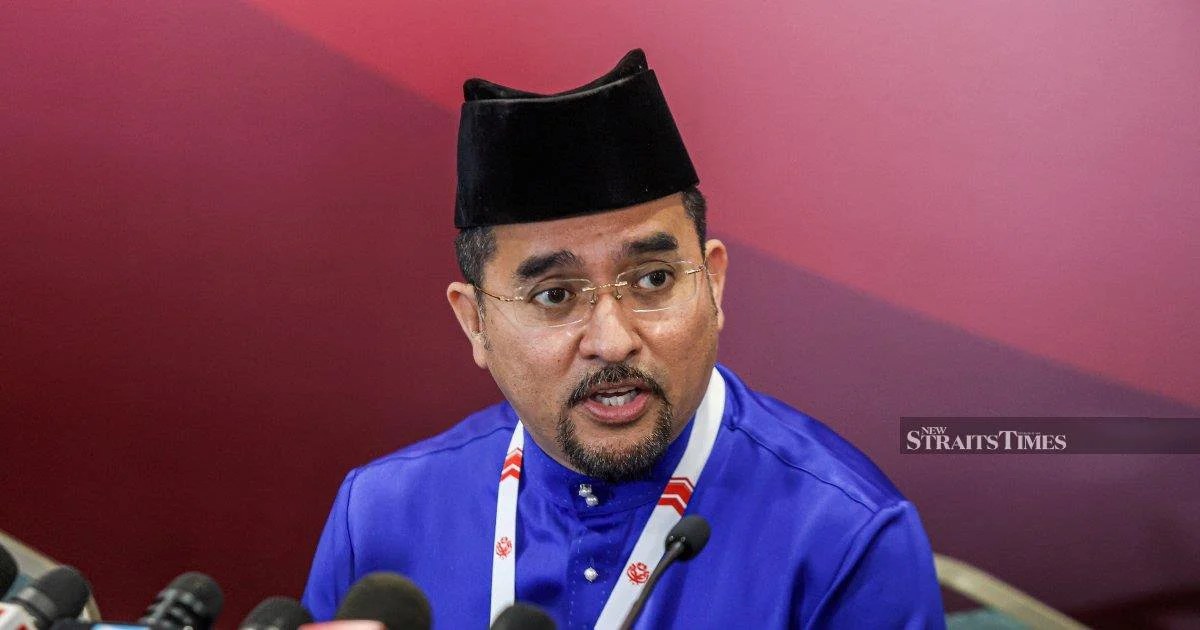
Barisan Nasional's postponement of announcing its candidate slate for the Johor election has been attributed to a rigorous screening process, according to UMNO secretary-general Datuk Dr Asyraf Wajdi Dusuki, who stressed that the coalition prioritised thoroughness over speed in selecting representatives.
The vetting mechanism, which examined potential nominees across multiple dimensions, reflected broader concerns within BN leadership about ensuring only qualified candidates advanced to the electoral contest. This methodical approach has become increasingly common among Malaysian political coalitions seeking to rebuild public confidence following previous electoral setbacks and internal controversies involving candidate selection.
For Malaysian voters and political observers, the emphasis on stringent screening carries significant implications. Previous elections have witnessed public backlash against candidates perceived as unqualified or ethically compromised, leading several major parties to implement more structured evaluation systems. The delay signals BN's apparent recognition that hasty decisions at the nomination stage can undermine campaign credibility and alienate swing voters in competitive constituencies.
Johor remains strategically crucial for BN's political standing. As the coalition's traditional stronghold and a state where it has maintained consistent electoral dominance, any candidate selection misstep could fracture its historically reliable voter base. The state assembly comprises 56 seats, making it one of Malaysia's largest state legislatures and a bellwether for national political trends.
The vetting process typically encompasses examination of candidates' financial records, professional background, community standing, and party loyalty. Such evaluation becomes particularly important in an era when digital platforms amplify candidate controversies instantaneously, potentially damaging both individual prospects and party reputation. BN's deliberate approach suggests awareness that contemporary electoral contests demand candidates capable of withstanding heightened scrutiny.
Within Umno's internal dynamics, prolonged candidate selection also reflects ongoing negotiations between different party factions and geographic constituencies seeking representation. Multiple power centres within the party frequently compete for allocation of winnable seats, requiring mediation and political consensus-building that inevitably extends timelines. Senior party leadership must balance factional interests against merit-based selection criteria, a tension that invariably produces delays.
The announcement delay contrasts with opposition coalition strategies in previous elections, where faster candidate declarations sometimes translated to campaign momentum advantages. However, BN's more cautious timeline may ultimately prove advantageous if the selected candidates perform strongly during campaigning and survive public scrutiny, thereby validating the extended deliberation period to voters.
For Southeast Asian political analysts, Malaysia's major coalitions' evolving approach to candidate selection reflects broader democratisation trends across the region. Several countries have witnessed increasing public demands for transparent, merit-based nomination processes rather than opaque backroom assignments. BN's publicised emphasis on rigorous vetting, regardless of whether such scrutiny genuinely exceeds historical standards, responds to these voter expectations.
The timing of candidate announcements typically shapes early campaign narratives and enables parties to mobilise grassroots machinery. Delayed declarations may compress preparation periods, though established parties with existing infrastructure can partially compensate through accelerated campaign activities. BN's experience and resources provide some cushion against temporal disadvantages that might prove critical for less-established political organisations.
Electoral observers will monitor whether the vetting process's apparent severity produces demonstrably higher-quality candidates whose campaign performance justifies the extended preparation period. Should the selected representatives generate significant voter enthusiasm and perform competitively across constituencies, the lengthy deliberation would retrospectively appear strategically sound. Conversely, if campaign outcomes prove underwhelming, critics may interpret the delay as bureaucratic inefficiency masking mediocre selections.
Looking forward, Johor's electoral contest will test whether contemporary Malaysian voters reward parties prioritising perceived candidate quality over speed, or whether they penalise those perceived as insufficiently decisive in critical political moments. The coalition's gamble on extended vetting reflects confidence that voters ultimately value substance over promptitude in candidate selection, a calculation that will become evident once campaigning intensifies.
Umno's public explanation regarding vetting rigour also serves internal party functions, signalling to grassroots members and disappointed aspirants that rejected candidates fell short of demanding standards rather than losing out to factional machinations. This narrative framing helps legitimise final selections and encourages disappointed members to accept outcomes as procedurally justified, thereby preserving party cohesion during the electoral campaign.

