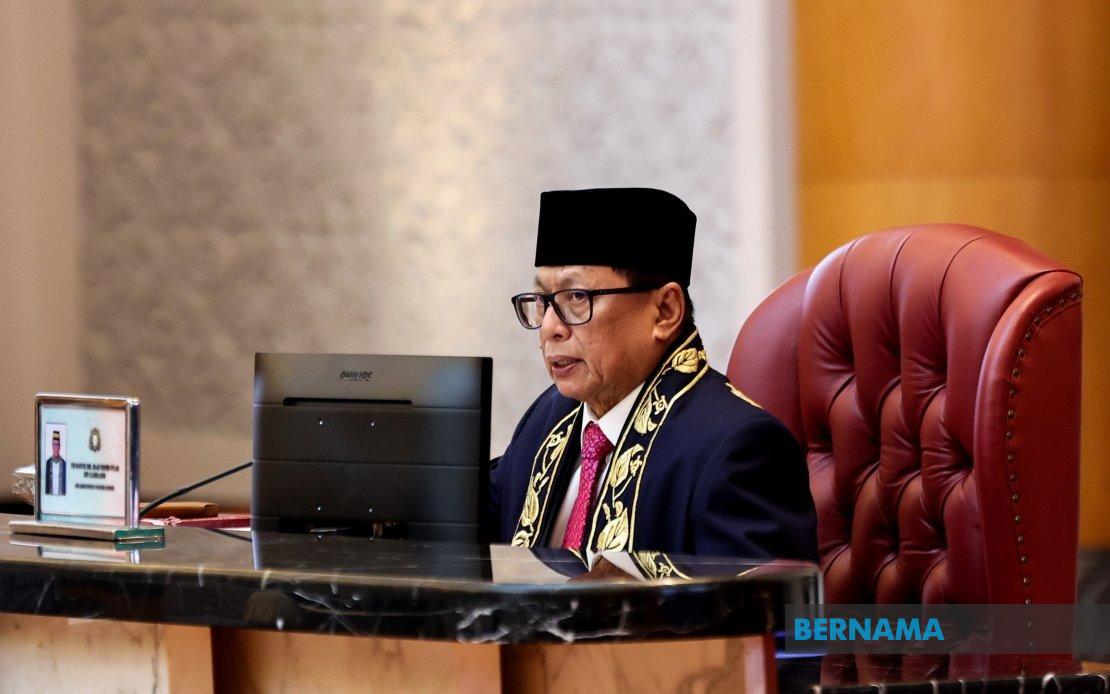
Datuk Dr Mohd Puad Zarkashi, who has held the Rengit seat since 2022 and serves as speaker of the Johor State Legislative Assembly, will not seek re-election when voters go to the polls on July 11. The 69-year-old legislator made his decision public through a Facebook statement on June 17, explaining that he informed UMNO president Datuk Seri Dr Ahmad Zahid Hamidi and Johor UMNO chairman Datuk Onn Hafiz Ghazi of his intentions just two weeks prior.
Mohd Puad's withdrawal represents a significant decision within Johor's political landscape, particularly given his senior position in the state assembly. The incumbent won his seat with a comfortable margin of 1,920 votes during the 2022 Johor state election, demonstrating solid grassroots support. However, his choice to step back underscores an emerging trend among senior politicians to make way for fresher faces and emerging talent within Malaysia's major political parties.
The primary motivation behind his decision centres on demographic considerations. Mohd Puad reasoned that at 69 years old, he would reach 74 within a five-year term, an age he does not consider appropriate for contesting state positions. This perspective reflects a growing acknowledgment within UMNO's leadership structures that generational renewal requires sitting members to voluntarily cede their seats rather than waiting for electoral losses or forced retirements. His reasoning suggests a calculated decision to depart on his own terms while retaining credibility and party standing.
Mohd Puad articulated a broader vision for succession planning, advocating that opportunities be extended to candidates aged 50 and below. This explicit age benchmark represents an attempt to inject younger blood into Johor's legislative assembly, addressing concerns about stagnation in party structures and the need for representatives more attuned to contemporary issues facing younger Malaysian voters. His proposal carries implicit weight given his current speaker role and presumed influence within state UMNO circles.
The incumbent also articulated specific criteria for candidate selection moving forward, emphasising educational credentials, moral character, genuine commitment to the party's broader agenda, and understanding of national strategic directions. These qualifications suggest a desire to elevate candidate standards beyond mere party loyalty, potentially signalling dissatisfaction with previous recruitment practices. Mohd Puad's intervention in selection methodology indicates he maintains influence over succession processes despite his personal withdrawal.
Mohd Puad's statement contained notable deference to Datuk Onn Hafiz Ghazi, the Johor UMNO chairman and menteri besar. By endorsing Onn Hafiz's leadership of a younger political team and his continued stewardship of state administration, Mohd Puad effectively positioned his withdrawal as enabling stronger continuity under the current leadership structure rather than representing dissatisfaction with party direction. This carefully calibrated messaging demonstrates political sophistication in managing his exit from electoral competition.
The Rengit constituency now faces an open contest with no incumbent advantage for any candidate. Located within Johor's parliamentary framework, the seat represents a strategic component of UMNO's broader state apparatus. The party must identify a suitable successor capable of maintaining the 1,920-vote margin that Mohd Puad established, a task complicated by uncertainty over voter preferences and potential opposition challenges. The constituency's political dynamics may shift considerably without the incumbent's established network and administrative presence.
Nomination day is scheduled for June 27, giving UMNO's state leadership less than two weeks to finalise candidate selection and secure party endorsements. The compressed timeline suggests that succession decisions may already be advanced within party structures, with Mohd Puad's public announcement merely formalising arrangements negotiated privately. This sequential disclosure pattern is typical in Malaysian politics, where major decisions frequently precede formal announcements through carefully managed information flows.
Mohd Puad indicated his intention to complete several outstanding matters requiring attention prior to nomination day, suggesting he will maintain active involvement in constituency affairs despite electoral withdrawal. This transitional period allows for knowledge transfer and maintenance of constituent services continuity, potentially smoothing the passage to new representation. His commitment to finishing unfinished business reflects responsible stewardship considerations and avoidance of administrative disruption.
The speaker's decision carries implications extending beyond Rengit's immediate electoral contest. His withdrawal exemplifies how senior politicians within Malaysia's ruling coalition navigate generational transitions, potentially influencing similar decisions among other long-serving legislators. If Mohd Puad's choice becomes precedent-setting, it could accelerate broader renewal within state assemblies across Malaysia, reshaping political hierarchies and opening pathways for emerging leaders.
Mohd Puad expressed gratitude toward Rengit's electorate for their sustained support throughout his tenure, acknowledging the relationship built over his period of representation. He also recognised Sultan Ibrahim, King of Malaysia, for approving his appointment as state speaker, an honour he clearly valued. These expressions maintained diplomatic tone with constituents and respect for institutional frameworks, typical of orderly political transitions.
As the Johor state election approaches, Rengit's open seat will warrant close monitoring to understand how UMNO addresses generational renewal imperatives while maintaining electoral competitiveness. The party's candidate selection and subsequent campaign performance in this constituency will provide indicators of broader succession strategies and voter receptiveness toward first-term or refreshed political personnel in Johor's changed electoral environment.