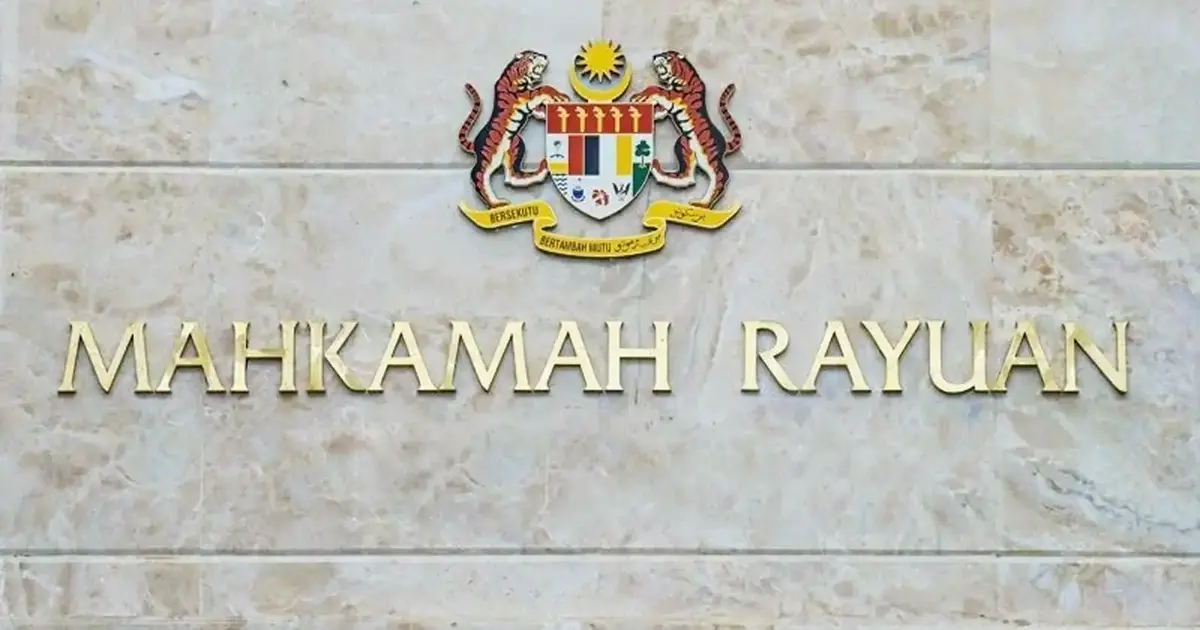
Malaysia's Court of Appeal has handed down a significant ruling that reshapes the legal landscape for civil society organisations, determining that registered societies operating under Malaysian law do not possess the necessary legal standing to pursue defamation claims. The judgment, which rejected an appeal from Pertubuhan Ikram Malaysia, clarifies a contested area of law that has long remained ambiguous for grassroots and community-based organisations across the country.
The court's decision centres on a fundamental distinction in Malaysian jurisprudence between different categories of non-governmental entities. While incorporated associations and companies registered under corporate law possess what is termed legal personality—the capacity to sue and be sued in their own name—registered societies fall into a different statutory framework. The ruling establishes that this alternative registration mechanism does not confer upon societies the same legal attributes that would enable them to protect their reputation through defamation proceedings. This interpretation has broad implications for the thousands of registered societies operating throughout Malaysia in various sectors, from cultural and religious organisations to professional bodies and community welfare groups.
Pertubuhan Ikram Malaysia, the organisation at the centre of this case, is a registered society that found itself unable to pursue a defamation claim despite alleging that statements made about it had damaged its standing. The appellate court's determination that registered societies lack the requisite legal personality to bring such actions means that the organisation's recourse through the courts is fundamentally constrained. For an entity that operates within Malaysian society and engages with the public, this presents a practical disadvantage when confronted with allegations or statements it believes to be false and injurious.
The distinction between legal personality and mere operational existence is central to understanding this judgment's significance. An entity may conduct activities, hold bank accounts, enter into contracts, and maintain a public presence without necessarily possessing full legal personality in the eyes of the law. The court's reasoning suggests that reputation, in the legal sense, is an attribute that flows from having the formal capacity to exist as a legal entity. Without that formal status, the court found, there is no legally recognisable reputation capable of being defamed. This interpretation follows established common law principles but applies them rigorously to the Malaysian registered societies framework.
The implications for Malaysian civil society are substantial. Many advocacy groups, religious organisations, and community bodies choose to register as societies rather than pursue incorporation as associations or companies. The registration process for societies is often simpler and less costly, making it an attractive option for grassroots movements. However, this judgment reveals a significant trade-off: organisations that select this registration path may sacrifice important legal protections. When false statements damage an organisation's public standing, the organisation's ability to seek legal redress through defamation proceedings is now conclusively foreclosed.
This ruling also touches upon broader questions about the role and status of civil society organisations within Malaysia's legal framework. The Societies Act, under which these organisations register, represents an older layer of Malaysian legislation that predates modern corporate structures. The court's strict interpretation suggests that parliament, should it wish to extend defamation rights to registered societies, would need to amend the statutory framework explicitly. Until such legislative change occurs, the decision stands as binding law affecting all registered societies nationwide.
For organisations that have already chosen to register as societies, the practical response may involve exploring structural alternatives. Some groups might consider converting to incorporated associations or limited companies, though such transitions involve administrative complexity and costs. Others may accept the limitation as part of their operational landscape, recognising that registered society status offers other advantages that outweigh the inability to pursue defamation claims. The decision forces organisational leaders to weigh these competing considerations carefully when structuring their entities or responding to false statements.
The judgment also raises questions about the adequacy of current legal protections for non-profit and community organisations. While defamation law traditionally serves to protect individual reputation and, by extension, organisational reputation, this ruling creates a gap in the legal shield available to one category of organisations. Entities operating in sensitive spaces—whether advocacy, human rights, or religious work—may find themselves particularly vulnerable to reputational attacks without access to defamation proceedings. The ruling thus highlights potential asymmetries in how different organisational forms are treated under Malaysian law.
From a regional perspective, this decision reflects how different Southeast Asian jurisdictions treat non-corporate organisations differently. Some neighbouring countries extend broader legal personality to civil society organisations, while others maintain stricter distinctions. Malaysia's approach, as clarified by this judgment, sits toward the more restrictive end of the spectrum. This may influence how international organisations and cross-border initiatives structure their Malaysian operations and how they manage reputational risks in the Malaysian context.
The Court of Appeal's dismissal of Pertubuhan Ikram Malaysia's appeal represents the final word on this particular dispute, though the broader legal question of whether the law should be reformed remains open. Policymakers and legislators may eventually reconsider whether the current framework adequately serves the interests of organised civil society. Meanwhile, registered societies must operate with the clear understanding that one conventional legal remedy available to other entities—the ability to pursue defamation claims—remains unavailable to them under current Malaysian law.

