The battle for Pulai Sebatang in Johor's 16th state election on July 11 has crystallised into a fundamental contest between two opposing philosophies of governance. Pakatan Harapan's Haniff @ Ghazali Hosman advocates a programme of strategic transformation anchored in sustainable development, whilst the Barisan Nasional incumbent Hasrunizah Hassan positions herself as the custodian of proven administrative competence and incremental progress. This electoral matchup encapsulates broader tensions within Malaysian politics between calls for systemic reform and the appeal of continuity in governance.
At 46 years old, Haniff brings considerable electoral experience to his campaign, having previously competed for the Pontian parliamentary seat in 2013 and the Benut state assembly seat in 2022. His current platform centres on repositioning Pulai Sebatang as a premier destination through carefully calibrated economic growth that does not sacrifice traditional livelihoods. The constituency comprises Pontian town and sits at a strategic juncture relative to established economic hubs, a geographical advantage that Haniff intends to leverage for attracting quality investment opportunities. His narrative frames the area as an underdeveloped gem whose potential remains largely dormant, awaiting the catalytic effect of thoughtful, inclusive development policies.
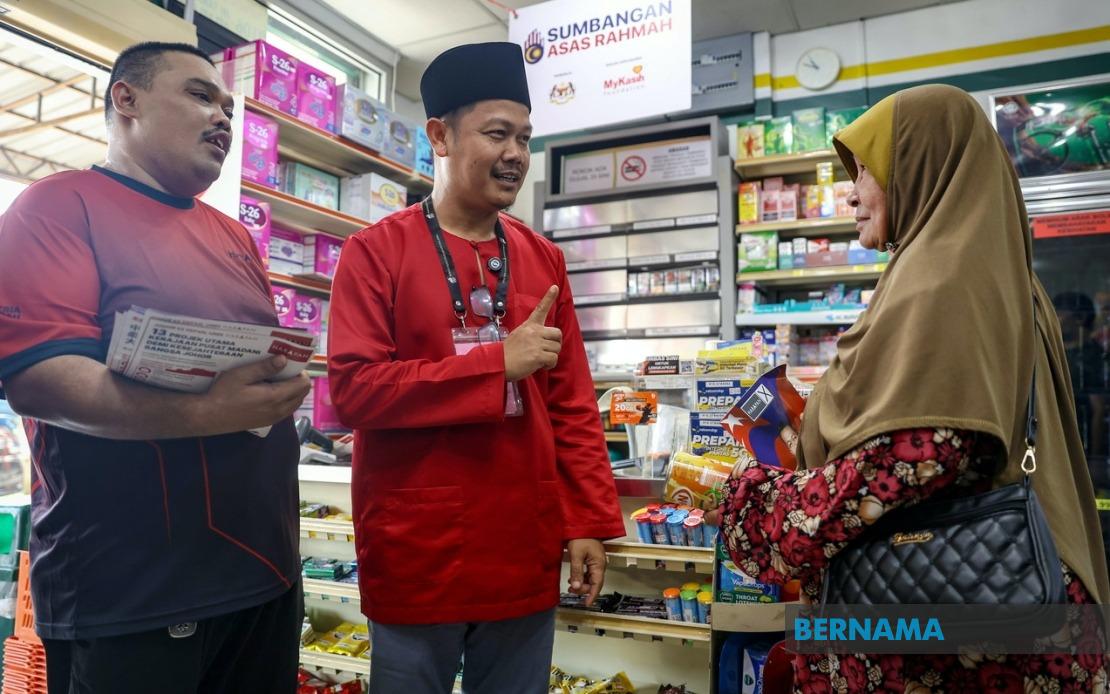
A cornerstone of Haniff's campaign strategy involves intimate engagement with constituent concerns through extensive house-to-house canvassing and grassroots walkabouts. This methodical approach reflects a deliberate attempt to ground his policy proposals in the lived experiences of residents rather than imposing a top-down development agenda. He has committed specifically to addressing compensation mechanisms for fishermen in Pontian Besar and resolving chronic drainage infrastructure deficiencies that periodically inundate farming communities in Parit Datuk. These targeted commitments suggest that Haniff recognises the economic fragility of traditional sectors and the political necessity of providing tangible remedies rather than rhetorical promises of future prosperity.
Handiff's confidence draws partly from Pakatan Harapan's 2018 electoral performance in the constituency, which demonstrated receptivity to the coalition's messaging and policy direction. He characterises feedback from grassroots interactions as encouraging, suggesting that voter sentiment may favour fresh approaches over incumbency. The framing of development as balanced and protective of existing economic arrangements attempts to address a fundamental anxiety among traditional communities: that modernisation and progress necessarily entail marginalisation of established occupations and ways of life. This message carries particular resonance in Johor's coastal and agricultural regions, where extended family networks and community bonds remain intact.
Hasrunizah Hassan, the current BN assemblyperson who assumed office in 2022, campaigns principally on the foundation of concrete accomplishments and ongoing projects nearing completion. The proposed expansion of Pontian Hospital has emerged as the single most discussed issue during her campaign interactions with voters, a concrete indicator that healthcare infrastructure carries substantial electoral weight in this constituency. According to Hasrunizah, the project has advanced significantly with governmental approval for a new hospital block, with procurement procedures advancing toward implementation. This emphasis on tangible infrastructure projects attempts to shift the electoral conversation away from aspirational promises toward documented progress.
Beyond hospital expansion, Hasrunizah's administrative record includes identification of 75 village road projects, with 50 already completed and 25 remaining. This granular accounting of infrastructure improvements reflects a strategy of demonstrating competent, incremental governance focused on local needs. She has additionally pledged to continue implementing state-level welfare programmes including the Kasih Johor assistance scheme, housing support, and first-home ownership initiatives. These social welfare commitments address economic precarity at the household level, a concern that extends beyond infrastructure to encompass direct financial support for residents facing economic pressures.
Hasrunizah's campaign methodology combines conventional grassroots politicking with social media strategies, acknowledging the evolving nature of electoral communication in Malaysian politics. Her appeal rests fundamentally on the argument that demonstrated performance over an incumbent term merits renewal of voter confidence. This baseline argument—that proven delivery justifies continued trust—carries particular weight in constituencies where residents have observed tangible results from incumbent representatives' efforts. Johor's recent governance patterns suggest that voters respond positively to administrations delivering visible improvements in local infrastructure and public services, a factor that advantageously positions long-serving representatives with completed projects to showcase.
Supporting Hasrunizah's bid, Pontian Member of Parliament Datuk Seri Ahmad Maslan characterised her and fellow BN candidate Datuk Mohd Sumali Reduan as capable, well-educated candidates possessing demonstrated track records of constituent service. Ahmad's intervention underscores the integrated nature of Johor's BN machinery, with federal-level representatives actively campaigning to support state-level candidates and reinforce the coalition's organisational coherence. This coordinated approach aims to present BN as a unified, professionally-managed entity capable of delivering services across governance tiers, contrasting with potential perceptions of opposition fragmentation or inconsistency.
The early voting period on July 7 will provide preliminary indications of electoral momentum, though the actual contest on July 11 will reveal whether voters prioritise continuity and demonstrated delivery against the alternative attraction of transformation and inclusive sustainable development. Pulai Sebatang's electorate comprises fishermen, farmers, and urban residents of Pontian town, a demographic diversity that complicates straightforward prediction of electoral outcomes. The relative appeal of Hasrunizah's hospital expansion and village roads against Haniff's broader vision of balanced development and traditional sector protection will ultimately determine voting patterns, reflecting constituent assessment of which candidate more credibly addresses their economic anxieties and development aspirations.
The Pulai Sebatang contest represents a microcosm of Johor's broader electoral dynamics. The state has demonstrated willingness to support BN administrations delivering visible infrastructure improvements and welfare support, yet simultaneously harbours voters responsive to opposition messaging emphasising transparency, inclusivity, and alternative governance models. This particular state seat will contribute to determining whether Johor voters favour consolidating current administrative arrangements or seeking new political directions. The outcome carries implications for broader coalition dynamics within Johor's assembly, affecting the stability and trajectory of state governance for the ensuing five-year term. Both candidates have articulated substantive positions reflecting distinct approaches to economic development and constituent service, providing voters with a meaningful choice between alternative visions for the constituency's future.

