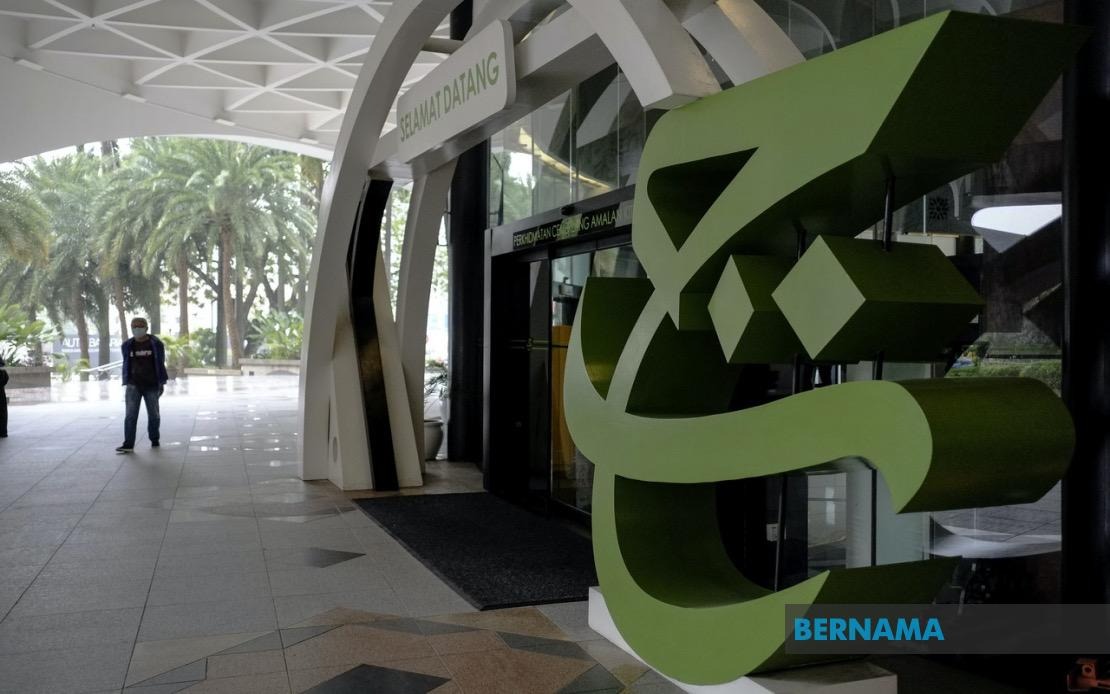
The Royal Commission of Inquiry report into Lembaga Tabung Haji (TH) represents a watershed moment for institutional accountability and the restoration of public trust, according to Muhammad Kamil Abdul Munim, political secretary to Malaysia's Finance Minister. In a statement released on July 24, he characterised the RCI's findings as exposing a critical juncture in the nation's governance—one where systematic misappropriation of funds entrusted to an institution serving the Muslim community could no longer remain concealed behind bureaucratic silence or political convenience.
The RCI report, through its investigative mandate, has brought to light the extent to which Tabung Haji—an institution bearing sacred institutional responsibility—allegedly fell victim to what Kamil described as deliberate plundering by certain groups. This revelation carries profound implications beyond mere financial impropriety. It strikes at the heart of a foundational Islamic obligation and the socioeconomic realities of ordinary Malaysians who channel their life savings through TH as a vehicle to fulfil the haj pilgrimage, one of Islam's five pillars. The institutional failure thus extends beyond balance sheets into the realm of spiritual aspiration and community trust.
Kamil's articulation of the stakes reveals an often-overlooked dimension of the TH scandal: these are not institutional surplus funds managed by professional fund handlers with disposable investment capital. Rather, each deposit represents accumulated sacrifice across Malaysia's grassroots economy. The money flowing into TH originates from the labour of rubber tappers, rice farmers, orchard workers, taxi drivers, and small business operators—individuals operating at the margins of Malaysia's formal economy who pool their earnings with singular purpose: to make the pilgrimage to Mecca. When institutional stewardship fails catastrophically, the betrayal extends beyond fiduciary duty to encompass the collective hopes of millions of believers.
The political dimension of Kamil's intervention warrants careful examination. His explicit statement that the MADANI Government has deliberately chosen transparency despite knowing that certain parties would have preferred the scandal remain buried suggests deliberate distancing from previous administrations implicated in either the mismanagement itself or the subsequent cover-up. This positioning reflects a calculated political strategy: by championing disclosure and accountability, the current government frames itself as genuinely committed to institutional reform while potentially insulating itself from accusations of complicity. The rhetorical move—acknowledging that revealing uncomfortable truths carries political costs—simultaneously demonstrates political courage while maintaining narrative control.
Yet beneath this political choreography lies a substantive governance issue of considerable importance to Southeast Asia's broader institutional landscape. Tabung Haji's crisis illuminates vulnerabilities in oversight mechanisms affecting faith-based financial institutions across the Muslim world. Malaysia, as a significant regional economy with a Muslim-majority population, faces particular scrutiny regarding how such institutions are monitored and governed. The RCI report, by documenting specific failures and alleged wrongdoing, contributes empirical evidence to broader conversations about institutional architecture, board accountability, and the independence of regulatory bodies tasked with protecting vulnerable depositor populations.
Kamil's emphasis on accountability represents official commitment to ensuring that those responsible face consequences. This commitment matters considerably given the historical tendency in Malaysian politics to sidestep difficult personnel decisions involving connected individuals. The explicit statement that accountability must now be pursued, regardless of previous positions held or current status, establishes a rhetorical benchmark against which subsequent government action will be measured. Should investigations conclude without prosecutions or meaningful sanctions, the credibility gap between stated commitment and demonstrated action will become immediately apparent to Malaysian civil society and international observers.
The framing of TH's reformation as a journey from opacity toward transparency and integrity-centred operations also signals institutional restructuring likely ahead. Malaysian Muslims planning to perform the haj will require reassurance that governance mechanisms have genuinely been overhauled rather than superficially reformed. This necessitates not merely policy changes but demonstrable shifts in operational culture, board composition, internal audit independence, and regulatory oversight. The success of TH's rehabilitation will significantly influence public confidence in other government-linked companies and faith-based institutions operating across Malaysia's economy.
Regionally, Malaysia's handling of the Tabung Haji scandal carries implications for how other Muslim-majority nations approach institutional accountability within their own sovereign territories. Indonesia, with its vastly larger Muslim population, monitors how Malaysia addresses similar challenges within faith-based institutional frameworks. Singapore's significantly smaller Muslim community also examines governance standards applicable to their own religious institutions. The transparency demonstrated through the RCI process and subsequent accountability measures will either buttress confidence in Southeast Asian institutional governance or, conversely, highlight persistent vulnerabilities affecting how religious communities' financial interests are protected.
Kamil's underlying argument—that admitting institutional failure represents strength rather than weakness—challenges conventional Malaysian political culture historically inclined toward defensive posturing when scandals surface. By normalising transparent acknowledgment of mistakes coupled with commitment to accountability, this messaging potentially shifts baseline expectations regarding how government institutions and government-linked companies respond to crises. Should this rhetorical commitment translate into genuine institutional reform, it establishes precedent encouraging similar transparency elsewhere within Malaysia's institutional ecosystem.
The road from RCI report to genuine institutional transformation remains long and consequential. Public attention will necessarily focus on whether criminal investigations progress expeditiously, whether sanctioned individuals face meaningful consequences, and whether reformed TH governance actually protects depositors' interests more effectively. For millions of Malaysian Muslims whose savings remain within TH's system, these measures will determine whether the institution's dark chapter genuinely concludes or whether structural problems persist beneath rhetorical commitments to reform. The RCI report itself represents important first step; what follows will test both governmental sincerity and Malaysian institutional capacity for meaningful change.

