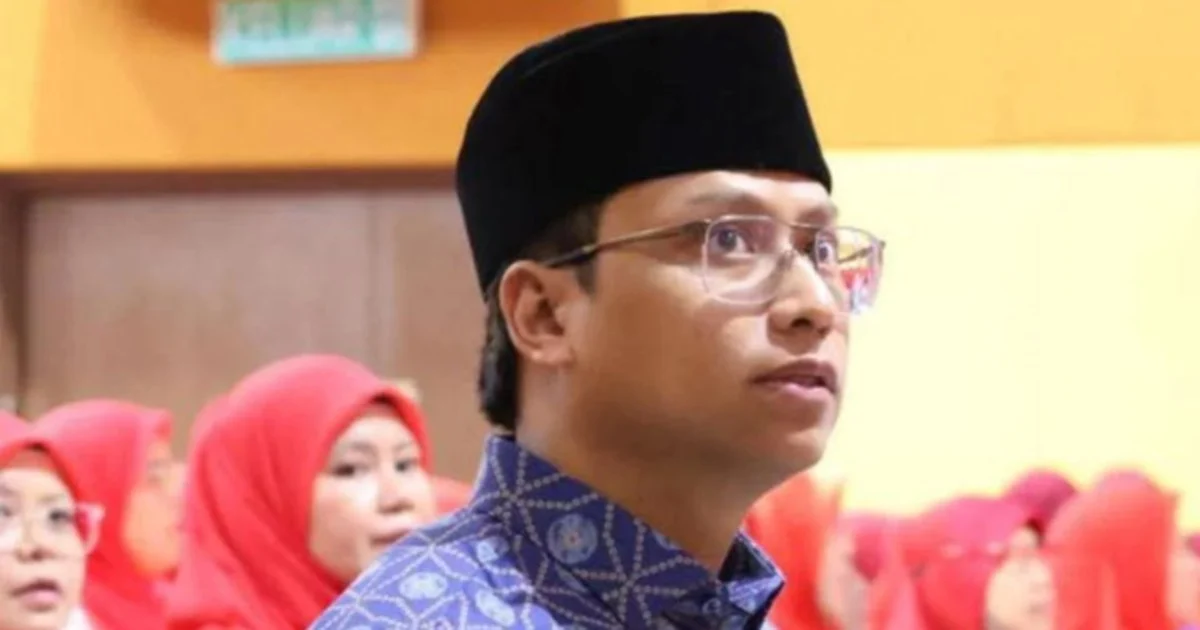
Datuk Dr Mohd Puad Zarkashi's son has stepped into a brewing controversy within Malaysia's largest Malay-Muslim political party, asserting that his father's recent observations about Umno's course were fundamentally motivated by a desire to preserve the organisation's future prospects and standing. The intervention represents an attempt to reframe what have been perceived by some party members as internal criticisms, positioning them instead as constructive counsel rooted in genuine institutional concern.
The timing of the younger Puad's statement carries weight within Umno's current political landscape, where the party is navigating significant questions about its direction following electoral setbacks and internal leadership transitions. Umno remains central to Malaysian politics after more than seven decades in power, though its position has been complicated by recent developments including the formation of new political coalitions and shifts in voter sentiment across traditionally supportive communities.
By positioning his father's remarks as forward-looking rather than factionally motivated, Puad's son aims to elevate what might otherwise be dismissed as routine party infighting into a more substantive debate about institutional strategy. This framing is particularly relevant given Umno's historical role as the dominant force in Malaysian politics and its claimed commitment to safeguarding Malay-Muslim interests through the Federal Constitution's framework. The party's internal health and decision-making processes thus carry implications extending beyond factional competition.
The defence also tacitly acknowledges the sensitive nature of senior party figures offering public criticism, an action that in Umno's traditionally hierarchical structure can be interpreted as challenging current leadership direction. Yet the implication that history will ultimately vindicate the elder Puad's stance suggests confidence that events will prove his warnings prescient, whatever immediate reaction party leadership might offer. This invocation of future judgment represents a common rhetorical strategy when present circumstances offer limited platforms for dissenting voices.
Umno's contemporary challenges operate on multiple fronts. The party must contend with competition from other Malay-Muslim political movements, address concerns about its electoral appeal among younger voters, and maintain cohesion across its federal and state divisions amid resource constraints. Against this backdrop, substantive internal discussions about strategic direction—however they emerge—merit serious engagement rather than dismissal as mere personality conflicts.
The elder Puad's standing as a former Supreme Council member lends particular weight to his interventions. The Supreme Council represents Umno's highest decision-making body, and those who have served in such positions typically maintain networks of influence and respect within party structures. His willingness to speak publicly about party direction suggests either deep conviction about issues at stake or a frustration with existing channels for internal dialogue—possibly both.
For Malaysian political observers, the episode illuminates broader questions about how established political institutions manage internal dissent and generational transitions in leadership. Umno, despite its longevity, faces the challenge of remaining relevant to contemporary voters while maintaining the loyalty of veteran party stalwarts who retain historical memory of different political eras. Balancing these constituencies requires nimbleness that not all established parties possess.
The reference to history as ultimate arbiter is particularly apt in Malaysian context. Political observers have repeatedly noted how perceptions of party leaders' prescience or misjudgement are often reconsidered years after significant events, sometimes dramatically. Leaders who were vilified during their tenures have been retrospectively credited with sound judgment, whilst those initially celebrated have faced reassessment. This unpredictability creates space for figures like the elder Puad to maintain that vindication awaits.
Within Southeast Asia's broader political landscape, Umno's internal dynamics carry regional significance. Malaysia's political equilibrium influences regional stability and patterns of governance across the peninsula. Major shifts within Umno thus ripple through federal-state relations, coalition configurations, and ultimately Malaysian foreign policy orientations. Consequently, international observers of Southeast Asian politics frequently monitor Umno developments closely.
The son's intervention also reflects a generational dimension worth noting. Younger figures within Umno's ecosystem responding to criticism of their elders suggests that concerns about party direction are genuinely engaging multiple age cohorts rather than representing purely gerontological grievances. If substantive policy disagreements exist about how Umno should position itself going forward, engaging multiple generations in those conversations may ultimately strengthen rather than weaken institutional capacity for adaptation.
Moving forward, whether the party chooses to engage substantively with the concerns raised or to treat them as marginal voices grumbling at the periphery will partly determine whether Umno successfully addresses underlying strategic questions. The son's defence can be read not merely as familial loyalty but as a signal that the issues his father raised retain salience for constituencies within and adjacent to Umno's formal membership. How party leadership responds will indicate whether internal dissent is genuinely welcomed or merely tolerated.

