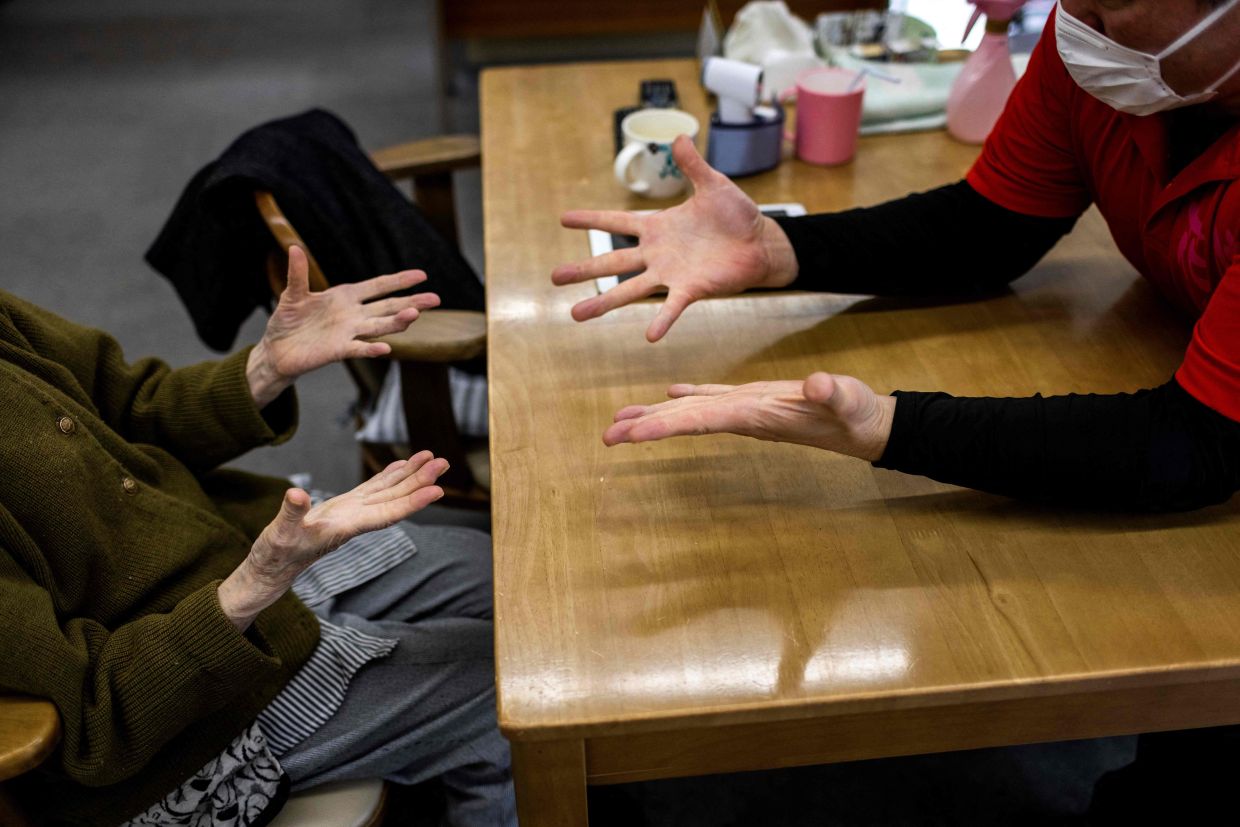
Japan's demographic crunch is spawning ideas as unconventional as the nation's ageing crisis itself. A film based on a 2003 novel by Osaka-born former geriatrician Yo Kusakabe has thrust an extraordinary proposal into public consciousness: amputating the paralysed limbs of elderly patients to reduce the physical burden on overburdened caregivers. Since its theatrical release last month, the adaptation of "Haiyoshin (Useless Body)" has generated fierce controversy, yet it has also brought overdue attention to a care industry teetering on the edge of systemic failure in a country with the world's second-oldest population.
Kusakabe, now 70, developed his provocative thesis during decades of clinical practice treating geriatric patients. The central premise of his novel mirrors his real-world observations: removing non-functional limbs from immobilised patients could significantly ease the physical strain on caregivers. In his assessment, paralysed arms and legs become mere encumbrances to nursing work, complicating basic tasks like dressing patients or bathing them, and turning routine care activities into physically punishing ordeals. A lighter, limbless patient would demand less muscular exertion from predominantly female care workers, potentially reducing workplace injuries and chronic pain that plague the profession. Kusakabe has framed the concept as a rational intervention conditional on informed consent from patients, positioning it as an option of last resort should Japan's care system collapse entirely.
The novelist's perspective is rooted in actual encounters with suffering. He recalls patients who expressed a desire to be freed from crippled limbs that caused constant pain, restricted movement, and subjected them to involuntary muscle convulsions. Within the film's narrative, those who undergo amputation experience unexpected psychological relief. Freed from the torment of useless appendages, these characters regain a measure of agency and joy, manipulating wheelchairs with newfound dexterity and engaging in previously impossible activities. The story presents amputation not as mutilation but as liberation, posing a profound ethical question: should quality of life, as perceived by the individual patient, outweigh conventional medical preservation of bodily integrity?
Yet Kusakabe's central argument hinges on a brutal demographic reality. Japan now has nearly one in three citizens aged 65 or older, and the government projects a shortfall of approximately 570,000 caregivers by 2040. The existing care sector is already fracturing under impossible demand. The phenomenon of "kaigo satsujin" (caregiving murders) has become sufficiently prevalent to warrant news coverage; an NHK investigation in 2016 documented that such tragedies occur roughly every two weeks, as exhausted family members and professional carers snap under relentless pressure. Kusakabe contends that if abuse and homicides escalate further, amputation may eventually surface as a desperate option society considers viable.
When Kusakabe's novel first appeared over twenty years ago, the Japanese film industry deemed it impossible to adapt. The concept was simply too transgressive, too ethically fraught for mainstream cinema. The current film version therefore represents a watershed moment in Japanese cultural discourse, triggering reactions ranging from "shocking" and "the year's most controversial film" to "terrifying madness" on social media and cinema review platforms. Yet the polarisation itself has been productive. Some viewers, contemplating the narrative's logic, have acknowledged that the amputation premise "had a point," suggesting that exposure to the film's internal reasoning has cracked open minds otherwise resistant to such radical departures from conventional caregiving philosophy.
Curiously, Kusakabe argues that Japan's rigid approach to end-of-life care actually impedes the kind of pragmatic, consent-based decision-making that might make amputation feasible in other contexts. Insurance coverage in Japan heavily subsidises feeding tubes and intravenous drips for patients aged 75 and older, embedding a cultural presumption that prolonging life at any cost constitutes the moral imperative. Families, unable to psychologically tolerate inaction, often demand aggressive interventions even when patients are clearly dying and suffer needlessly as a result. This contrasts sharply with Scandinavian best practices in palliative care, where allowing natural death when patients cease eating is standard protocol. Kusakabe criticises Japan's inability to embrace such "bold, rational approaches," observing that the nation "blindly believes" that keeping the clearly terminal alive is always ethically correct, even as the toll on caregivers multiplies.
The film itself ultimately complicates Kusakabe's thesis by introducing narrative tragedy. The initial enthusiasm surrounding A-care (Amputation Care) within the story's world is dramatically undercut when a catastrophic event shatters the protagonist's confidence in the intervention's efficacy. This structural choice prevents the movie from becoming a simple advocacy piece and instead frames amputation as a dangerous fantasy, a seductive but ultimately flawed solution to problems that cannot be solved through surgical intervention alone. The protagonist's disillusionment mirrors a deeper truth that Kusakabe himself acknowledges: Japan's caregiving crisis is fundamentally structural and cultural, not anatomical.
For Malaysian and regional Southeast Asian readers, the Japanese case offers a cautionary preview. While Southeast Asia's demographic transition lags Japan's, rapid ageing is beginning to strain care systems across the region. Thailand, for instance, now faces similar projections of caregiver shortages. The Kusakabe film demonstrates how acute labour shortages in essential services can drive societies toward ethically extreme proposals. It also illustrates how philosophical differences in end-of-life care—between prolonging life at all costs and accepting natural death—shape the broader caregiving landscape and social sustainability.
The film's emergence reflects a moment when Japan's care industry "isn't collapsing yet," in Kusakabe's careful phrasing, but is undeniably "heading toward breaking point." The amputation concept, however provocative, forces confrontation with questions that health systems across Asia will eventually face: How should societies balance individual bodily autonomy with collective caregiver welfare? When do efforts to preserve life become acts of cruelty? And what structural reforms might address labour shortages before desperation drives us toward ethically indefensible practices? By packaging these dilemmas within a fictional narrative, Kusakabe has created intellectual space for discussions that taboo and euphemism would otherwise suppress.
The visceral shock value of amputation obscures Kusakabe's deeper critique: that Japan has constructed a care system predicated on denial. Denial that resources are finite, denial that some lives might be better ended than prolonged, and denial that caregivers have limits to their physical and psychological capacity. The film doesn't vindicate amputation—its tragic denouement precludes that. Rather, it uses amputation as a diagnostic tool to illuminate systemic failures that demand attention through policy reform, workforce development, palliative care training, and honest public conversation about death and dignity. Whether Japanese society will heed that message remains uncertain, but the film's controversial release suggests that the conversation, however difficult, is now unavoidable.

