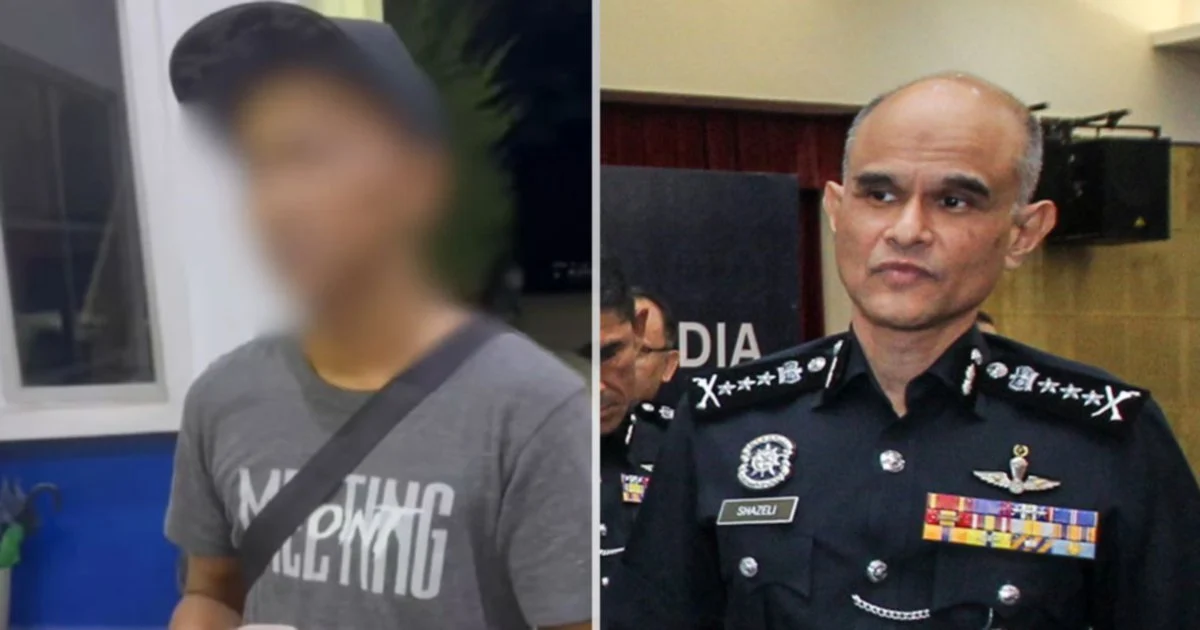
The deputy public prosecutor's office in Kajang has instructed investigating officers to deepen their examination of evidence and witness statements related to a RM10,000 cash theft involving a delivery rider at a Semenyih supermarket. The directive underscores concerns about the sufficiency of the current case file before proceeding with formal charges, a common procedural step when prosecutors identify gaps in investigations that could weaken courtroom arguments.
This development reflects the multi-layered nature of theft cases involving public spaces and vulnerable property. When individuals leave personal items in busy commercial areas, they create complex legal and investigative scenarios requiring careful documentation of each step in the chain of custody, witness observations, and suspect involvement. The prosecutor's decision to order additional work suggests police may need to obtain clearer evidence linking the delivery rider to the specific moment of taking the money or establish a stronger timeline of events.
The Semenyih area, located in Selangor's Kajang district, experiences regular foot traffic through its retail establishments. Supermarkets in this region serve as important community gathering spaces and shopping hubs for residents, making them common scenes for accidental loss of valuables. The incident highlights ongoing challenges that retailers and law enforcement face in managing security across busy checkout areas and customer zones where wallets and personal belongings are frequently misplaced or left behind.
Delivery riders form a significant part of Malaysia's growing gig economy workforce, with thousands of individuals operating across the Klang Valley and beyond. This profession involves constant movement through commercial spaces, residential areas, and shopping centres, positioning riders in environments where they might encounter lost items. Cases involving delivery sector workers sometimes face heightened public scrutiny because of the visibility of their profession and the trust placed in them by customers and establishments alike.
The prosecutor's office plays a critical gatekeeping role in Malaysia's criminal justice system, evaluating whether police investigations have gathered sufficient evidence to justify proceeding to prosecution. When deputy public prosecutors request enhanced investigation work, it typically means the existing file lacks one or more essential elements—perhaps clearer identification of when the theft occurred, surveillance footage corroborating witness accounts, or explicit statements from the suspect addressing the allegations. This procedural rigor, while sometimes extending investigations, aims to prevent weak cases from consuming court time or resulting in acquittals that could have been avoided through more thorough initial work.
For the individual whose wallet went missing, the months-long investigation process can feel prolonged and frustrating, particularly when the amount involved—RM10,000—represents substantial personal savings or income. The recovery of such sums through civil restitution depends heavily on the criminal case's success and the suspect's financial capacity to repay, leaving victims in an uncertain position until matters conclude. This reality underscores why investigators must build ironclad cases that survive cross-examination and meet the criminal standard of proof beyond reasonable doubt.
The Kajang deputy public prosecutor's office handles a substantial caseload across the Selangor region, managing matters ranging from property crimes to more serious offences. Their decision to redirect police resources toward strengthening this particular case suggests the matter merits the attention required to ensure procedural correctness and evidentiary completeness. This approach reflects lessons learned from previous cases where initial investigations proved inadequate, resulting in dismissed charges or successful defences that could have been prevented through more meticulous groundwork.
Police investigations into theft allegations typically examine several standard areas: circumstances of how the wallet became separated from its owner, the sequence of events immediately following its disappearance, witness statements regarding who was present and what they observed, any available CCTV footage from the supermarket, communications or transactions by the suspect around the relevant timeframe, and the suspect's explanation for their presence at the location. When prosecutors order enhanced investigation, officers may need to conduct fresh interviews with witnesses to clarify contradictory accounts, obtain and review video footage with greater scrutiny, or take additional statements from the suspect.
The broader implications of this case extend to considerations about accountability within the delivery and gig economy sectors. While the vast majority of delivery professionals conduct themselves ethically and responsibly, instances where individuals allegedly exploit brief opportunities to take abandoned property raise questions about training, workplace culture, and accountability mechanisms within these industries. How companies manage background checks, training on ethical conduct, and customer-facing reputation affects public perception of the entire sector.
Moving forward, the outcome of this enhanced investigation will likely determine whether the delivery rider faces formal prosecution or whether the case closes without charges due to insufficient evidence. For police officers involved, the directive from prosecutors serves as a reminder that investigative completeness matters as much as speed, and that sustained attention to detail in property crime cases—even those involving relatively modest sums—upholds confidence in the criminal justice system's functionality. The case also illustrates why supermarket management and customers alike benefit from security awareness, including vigilance about personal belongings in public commercial spaces.

