Malaysia's proposed Prisons (Amendment) Bill 2026 will not proceed to a vote in Parliament at this time. Instead, the legislation has been sent back for additional examination by two specialised parliamentary committees, marking a significant pause in the legislative process for a measure intended to modernise the country's prison system.
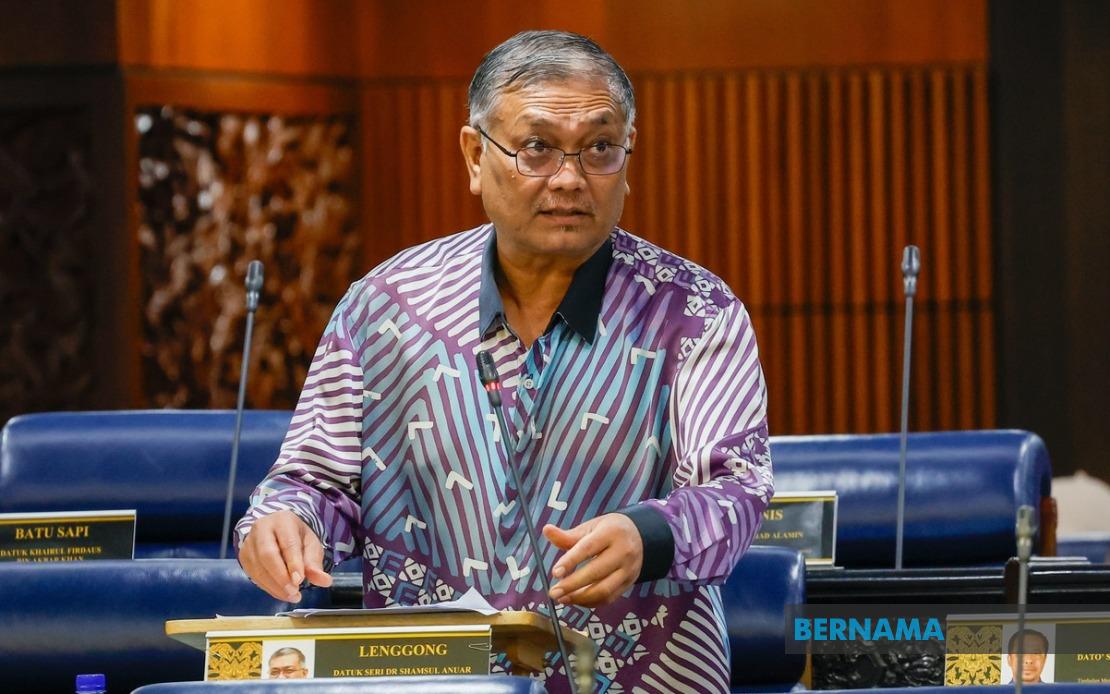
Deputy Home Minister Datuk Seri Dr Shamsul Anuar Nasarah announced the deferral during parliamentary proceedings on June 25, explaining that the bill would be referred to the Parliamentary Special Select Committee on Security and the Parliamentary Special Select Committee on Human Rights and Institutional Reform. This dual referral signals that lawmakers have identified concerns spanning both security operations and the protection of prisoner rights—two potentially competing interests that require careful balancing.
The bill itself represents an attempt to introduce contemporary practices into Malaysia's correctional system. Among its key provisions is the authorisation of electronic monitoring devices, a technology increasingly used in prisons worldwide to enhance supervision and security. Additionally, the legislation proposes formalising the role of volunteers in rehabilitation programmes, recognising that non-governmental support can complement professional staff efforts in helping inmates prepare for reintegration into society.
The move to defer the bill reflects a deliberate decision by the Home Ministry to engage more thoroughly with parliamentary expertise on matters that extend beyond routine administrative updates. The deferral suggests that during the main parliamentary debate, members raised substantive questions about the implementation, effectiveness, and implications of the proposed amendments. Such scrutiny is particularly important given the sensitive nature of prison operations and the potential impact on both security personnel and the incarcerated population.
For Malaysia's correctional system, the use of electronic monitoring represents a modern approach to managing prisoner movement and behaviour within facilities. Such technology could potentially reduce overcrowding pressures by enabling more precise tracking and allowing for graduated security classifications. However, concerns about privacy, cost-effectiveness, and the appropriateness of such surveillance for different prisoner categories are legitimate considerations that the parliamentary committees will need to address.
The involvement of volunteers in rehabilitation represents a broader international trend toward community participation in the criminal justice system. Malaysia, like many countries, recognises that rehabilitation outcomes depend not solely on custodial staff but also on meaningful programmes that address education, vocational training, and psychological support. Volunteers—whether from non-governmental organisations, academic institutions, or faith-based communities—can expand the reach and diversity of such programmes. However, questions about volunteer screening, liability, and training standards are matters requiring careful legislative definition.
The referral to the Human Rights and Institutional Reform committee indicates that concerns have been raised regarding the protection of prisoner dignity and rights. International standards and regional human rights frameworks place obligations on states to ensure that incarceration does not entail torture, inhuman treatment, or denial of basic protections. Electronic monitoring, while a security tool, raises questions about proportionality and whether its use might extend beyond what is necessary or appropriate. The committee's examination will likely explore safeguards and oversight mechanisms.
The Security committee's involvement emphasises that modern prison management must balance humanitarian concerns with operational necessity. Prison facilities must remain secure environments where both staff and inmates can be safe. The introduction of new technologies and practices must not undermine this fundamental requirement. The committee will presumably examine whether the proposed amendments strengthen or potentially weaken security protocols, and what additional measures might be needed to ensure effectiveness.
This legislative pause also reflects Malaysia's broader commitment to parliamentary oversight and deliberation on matters of significant public importance. Rather than rushing measures through parliament, the decision to refer bills back to specialised committees represents a recognition that complex policy areas benefit from detailed examination by members with relevant expertise. For citizens and civil society observers, it demonstrates that parliamentary processes, while sometimes slow, can incorporate meaningful review.
The deferral may also provide space for stakeholder consultation beyond parliament itself. Prison reform touches on interests held by correctional officers' unions, prisoner advocacy groups, rehabilitation professionals, and religious organisations. The extended timeline created by the committee referral could allow the Home Ministry to gather input from these diverse constituencies, potentially strengthening the final legislation.
For regional observers, Malaysia's approach to modernising its correctional system carries broader significance. Southeast Asia faces considerable challenges with prison overcrowding and rehabilitation effectiveness across multiple countries. If Malaysia successfully implements evidence-based reforms through carefully calibrated legislation, it could provide a model for neighbours grappling with similar issues. Conversely, if legislative caution prevents necessary reforms, it may perpetuate systemic challenges.
The timeline for the committees' work remains unspecified, meaning the bill's ultimate passage could extend well into 2026 or beyond. This extended process, while potentially frustrating for reform advocates, allows for the kind of deliberation that complex penal policy demands. The final legislation, when it emerges from committee review, should reflect both security imperatives and human rights protections—a balance essential to legitimate and effective imprisonment.

