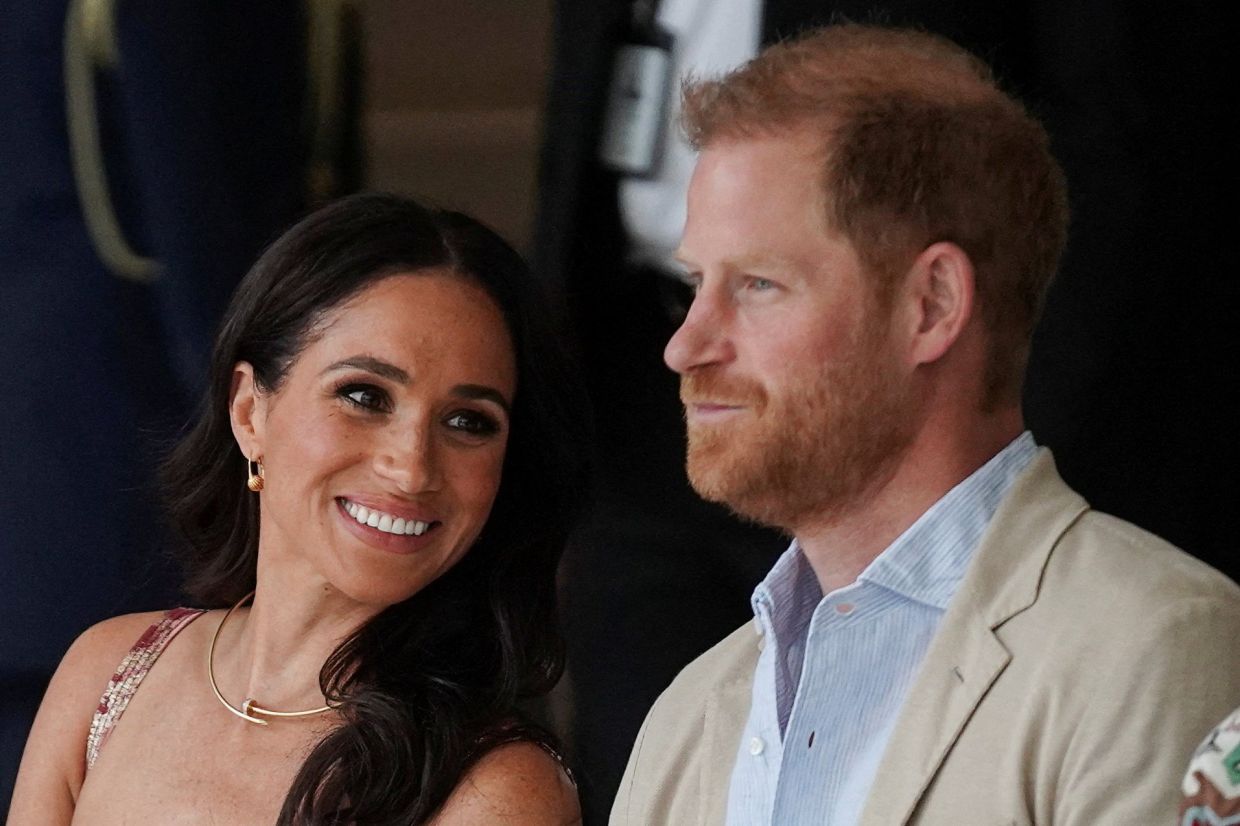
Prince Harry and his wife Meghan are making a dramatic move back to the United Kingdom with their two children, according to reports from British media outlets. The couple intends to establish a permanent base in their homeland while maintaining their independence from formal royal responsibilities. Their children, seven-year-old Prince Archie and five-year-old Princess Lilibet, have secured places at British educational institutions and are expected to begin their schooling when the new academic year commences in September.
The decision marks a turning point in the couple's trajectory since they dramatically departed royal life in 2020, relocating to California where they have cultivated lucrative commercial ventures. Through high-profile partnerships with entertainment giants Netflix and Spotify, along with various publishing and media projects, they have established themselves as independent business operators rather than working members of the monarchy. However, this latest development suggests a recalibration of their geographical priorities, even as they continue their non-royal professional endeavours.
The relocation comes amid recent developments in Harry's personal circumstances that appear to have prompted reflection on family relationships. King Charles III, Harry's father, has been undergoing treatment for an undisclosed form of cancer, and this health situation seems to have catalysed conversations about reconciliation. Harry has publicly acknowledged his desire to rebuild connections with his family, particularly his father, expressing that he wanted to increase the time they spend together. The monarch was informed of the couple's plans on Sunday, notably before they had publicly announced the move.
Much has transpired since Harry and Meghan's departure from royal life. Their exit was marked by tensions with the wider royal institution, disputes with sections of the British media, and deeply personal disclosures through interviews and published memoirs that shocked the monarchy and the public alike. These narratives detailed allegations of racism within the family and raised serious questions about institutional pressures and psychological wellbeing. The rift that opened during this period has cast a long shadow over subsequent relations, particularly with Prince William, the heir to the throne.
Beyond family dynamics, Harry has been engaged in prolonged legal battles that have consumed considerable time and resources. His disputes with British tabloid newspapers over alleged phone hacking and privacy violations have been particularly contentious, with the prince experiencing a series of court defeats. Most significantly, a recent ruling found Harry and other plaintiffs liable for the legal costs incurred by Associated Newspapers, a defendant in the case, with fees totalling £34.5 million. This financial liability represents a substantial setback in his media litigation strategy and underscores the challenges of pursuing legal remedies against powerful publishing interests.
Additionally, Harry has faced a separate governmental dispute regarding security provisions. He has argued that he and his family require armed police protection when in the United Kingdom due to their royal heritage and the security threats inherent to such status, regardless of their non-working status. The British government rejected this request, leading to unsuccessful court challenges. This security issue has been particularly frustrating for Harry, as it effectively constrains his ability to return to Britain with appropriate protective measures for his family. After losing his legal battle over this issue, Harry appeared to conclude that pursuing further confrontation was unproductive.
A softening in Harry's position became evident in his recent comments to the BBC, where he stated his willingness to move beyond conflict. "I would love reconciliation with my family. There's no point in continuing to fight anymore," he said, adding poignantly, "I don't know how much longer my father has." This more conciliatory tone suggested a fundamental shift in his approach to resolving long-standing disputes. His apparent recognition that time with his aging father might be limited seemed to reshape his priorities regarding family relationships.
A tentative demonstration of this reconciliation appeared last month when Harry returned to the United Kingdom for charity commitments. During this visit, Meghan and the children accompanied him for portions of the trip, and the family spent time with King Charles at his Highgrove residence in Gloucestershire. This gathering held particular significance, as it represented the first occasion since Queen Elizabeth II's platinum jubilee celebrations in 2022 that Archie and Lilibet had spent time with their grandfather. The visit's occurrence before the official announcement of the relocation plans suggests a deliberate sequencing of events, with family engagement preceding public disclosure.
The announcement has already generated considerable commentary within British royal circles and media analysis. Peter Hunt, a former BBC royal correspondent, suggested that the news would provoke a sharply negative reaction from Prince William, predicting the heir to the throne would find the development deeply frustrating. Hunt characterised the situation as creating pressure on William by increasing Harry's presence in Britain and potentially making it more difficult for the elder brother to avoid engaging in reconciliation efforts himself. This observation highlights the complicated dynamics within the royal family, where geographical distance had previously provided a buffer against confrontation.
For Malaysian and Southeast Asian observers, the unfolding narrative offers insight into how even the world's most prominent families navigate estrangement and the paths toward reconciliation. The situation also illuminates the pressures inherent to public life when personal disputes become matters of widespread media attention and public commentary. The couple's decision to establish roots in Britain while maintaining professional independence demonstrates how individuals can attempt to balance conflicting priorities—maintaining personal autonomy while strengthening family bonds.
The relocation also reflects broader patterns of how high-profile figures calibrate their public presence and private life decisions. Harry and Meghan have consistently sought to define their own terms of existence, rejecting traditional institutional constraints while remaining conscious of their connections to heritage and family. Their return to Britain with their children represents neither a capitulation to royal expectations nor a complete embrace of their former roles, but rather a pragmatic accommodation of competing interests and values.
Buckingham Palace has maintained its established protocol of declining to comment on matters involving non-working members of the royal family, while representatives for Harry and Meghan have similarly refrained from official statements. This mutual silence reflects the delicate nature of family negotiations and the preference for managing sensitive matters away from public scrutiny. Nevertheless, the decision to relocate the children's education to British institutions signals an unmistakable repositioning in the family's geographical and relational strategy, one that may have significant implications for how the royal family continues to evolve in coming years.

