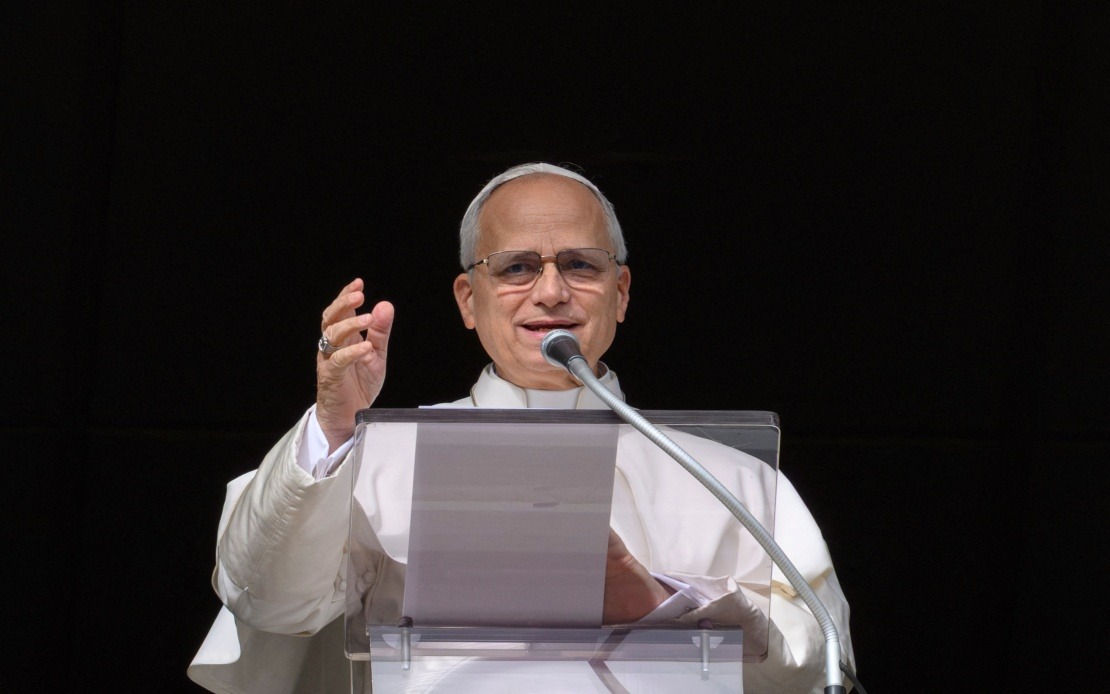
Pope Leo XIV has issued a stark warning about the moral dimensions of artificial intelligence, challenging a prevailing assumption in technology circles that AI systems can function in ethical isolation. Speaking through social media on Thursday, the pontiff asserted that artificial intelligence cannot be treated as morally neutral technology, as each system necessarily embeds fundamental choices about values, priorities, and human classification that reflect particular worldviews. This intervention into the AI ethics debate carries weight given the Vatican's growing engagement with technology governance questions and underscores how artificial intelligence has become a matter of concern for religious and moral authority figures globally.
The Pope's core argument addresses a conceptual flaw he sees embedded in how many approach AI development and deployment. When engineers and companies design intelligent systems, they do not simply create neutral tools. Instead, they encode into algorithms and datasets their assumptions about what matters, who benefits, and how society should function. These are not incidental technical details but fundamental moral commitments that shape how the systems behave. By framing the issue this way, Leo XIV articulates a position that resonates with growing academic and policy criticism of technological determinism—the idea that machines merely process information objectively without reflecting human values.
The pontiff extended his analysis beyond immediate application contexts, emphasising that ethical evaluation cannot stop at examining how AI systems are ultimately used. Rather, genuine moral scrutiny must penetrate earlier phases of the development cycle. The data selected for training represents choices about whose experiences matter, whose perspectives are included, and whose knowledge is deemed valuable. Similarly, the architectural decisions made in designing models—how they weight different objectives, which outcomes they optimise for, which trade-offs they accept—all represent embedded moral frameworks. This systemic perspective distinguishes the Vatican's intervention from narrower discussions that focus only on preventing harmful outputs or misuse.
A particularly significant aspect of the Pope's position involves the question of responsibility. He insisted that accountability structures must be explicit and comprehensive across the entire lifecycle from conception through actual use. This represents a challenge to current industry practice, where responsibility often becomes diffuse and unclear. Developers may argue they bear no responsibility for how others apply their systems; users may claim they simply follow algorithmic recommendations; and companies may hide behind claims of technical complexity or algorithmic opacity. The Pope's framework rejects these deflections, demanding that every participant—whether designers creating the foundational systems, organisations deploying them, or decision-makers relying on their outputs—accept clear responsibility for outcomes.
For Malaysian and Southeast Asian readers, this papal intervention carries practical implications. The region is experiencing rapid AI adoption across banking, e-commerce, governance, and healthcare sectors without proportional development of regional ethical frameworks or accountability mechanisms. Many companies deploying AI systems in Malaysia operate under global standards that may not reflect local values regarding privacy, social equity, or communal welfare. The Pope's insistence that design choices embed specific visions of humanity means that AI systems optimised for Western markets may not adequately protect Malaysian users' interests or reflect regional social priorities. This creates a governance gap that policymakers across ASEAN should address.
The question of identifying and remedying harm proves especially relevant in the Asian context, where AI systems make consequential decisions about loan approvals, employment opportunities, education placement, and law enforcement. If these systems embed biases—whether against specific ethnic groups, women, or rural populations—the mechanisms for detecting and correcting such harms often remain underdeveloped. The Pope's emphasis on identifying who must challenge and remedy harm suggests that simply deploying AI and monitoring compliance with technical standards is insufficient. There must be accessible channels through which affected individuals and communities can contest algorithmic decisions, understand the reasoning behind them, and seek redress when systems cause injury.
The data dimension that Leo XIV highlighted deserves particular attention in Malaysia's context. Many AI systems deployed regionally rely on training datasets created elsewhere, potentially encoding biases rooted in different societies with different histories and power structures. When a facial recognition system trained primarily on European and American faces performs poorly on Southeast Asian features, this is not a neutral technical failure but a consequence of moral choices about whose faces the system was built to recognise. Similarly, AI systems that assume nuclear family structures, particular employment patterns, or specific consumer behaviours may systematically disadvantage Malaysian users whose lives follow different arrangements. The Pope's call for examining what vision of humanity is embedded in data and models speaks directly to these concerns.
The governance implications extend beyond individual companies to regulatory authorities. Malaysian policymakers designing AI governance frameworks should incorporate mechanisms for evaluating the embedded values in AI systems before and during deployment. This moves beyond conventional risk assessment to include questions about whose interests the system prioritises, whose knowledge it draws upon, and whether it respects the dignity of affected populations. The Vatican's position suggests that technical competence alone is insufficient for responsible AI governance—moral philosophical analysis must accompany regulatory development.
The Pope's intervention also challenges technology companies to greater transparency about their design choices. Rather than treating algorithms as proprietary black boxes, accountability frameworks should require disclosure of what values systems embody and what vision of society they promote. In Malaysia, where there are concerns about how AI might reflect or reinforce existing social hierarchies, such transparency becomes especially important. Companies and government agencies deploying AI should be able to articulate clearly why they made particular design choices and whose interests those choices serve.

