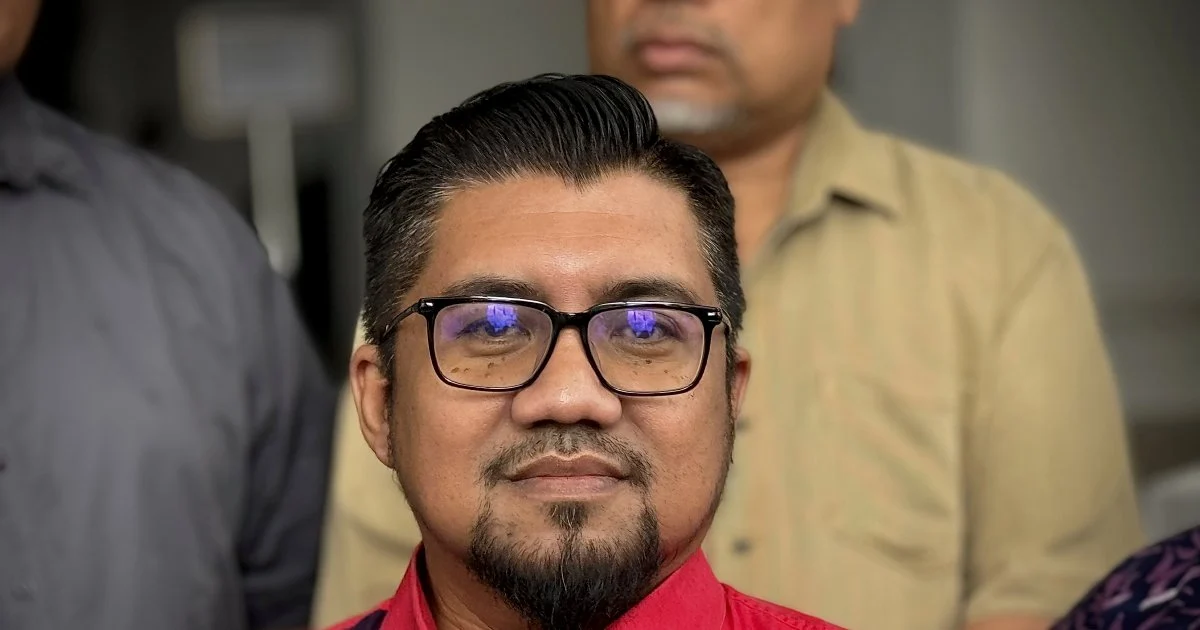
The High Court in Kuala Lumpur has dealt a significant setback to political activist Badrul Hisham Shaharin, commonly known as Che'gu Bard, by reversing his previous acquittal and compelling him to mount a full defence against charges that his statements defamed His Majesty Sultan Ibrahim, the reigning King of Malaysia. The activist now faces the prospect of presenting his case to counter allegations stemming from remarks he made concerning what he described as a purported audience between himself and several political figures approximately two years prior.
The judicial reversal represents a pivotal moment in a legal dispute that touches upon the sensitive intersection of free speech, royal prerogative, and the boundaries of political commentary in Malaysia. The original acquittal had suggested that the court had found insufficient evidence to proceed with the prosecution, yet the High Court's decision to overturn this verdict indicates that the appellate judges identified grounds to believe the case warranted fuller examination at trial. This reversal transforms the case from one approaching conclusion into one requiring Badrul Hisham to actively defend his position rather than rely on a presumption of innocence following dismissal.
Badrul Hisham's profile as a vocal political commentator and activist has made him a notable figure in Malaysian civil society discourse. His statements, whatever their specific nature and context, have drawn the attention of authorities concerned with protecting the dignity and reputation of the monarchy. The case underscores the tension that occasionally emerges between individuals exercising their right to political expression and the legal frameworks designed to safeguard institutions of state, including the constitutional monarchy which holds considerable cultural and institutional significance within the Malaysian system.
The incident occurred against a backdrop of Malaysia's evolving political landscape approximately two years ago, a period marked by substantial shifts in governmental coalitions and realignments among political parties. The alleged audience involving political leaders suggests that Badrul Hisham's remarks touched upon interactions between influential political figures and members of the royal household. Such conversations, if they occurred, would have carried considerable political significance given Malaysia's constitutional framework, in which the Yang di-Pertuan Agong holds important ceremonial and constitutional roles.
Defamation cases involving public figures and institutions operate within a distinct legal framework in Malaysia. While the country upholds principles of free speech and democratic discourse, laws protecting the reputation of the monarchy exist to maintain institutional respect. The challenge for courts in such cases lies in distinguishing between legitimate political commentary and statements that cross into territory capable of causing genuine harm to reputational interests. The High Court's decision suggests that the appellate bench believed the lower court had perhaps been overly protective of the defendant's right to speak without fully weighing the potential defamatory nature of the allegations.
For Badrul Hisham, the reversal necessitates a substantive response to the charges rather than allowing the case to lapse. He must now prepare evidence and arguments demonstrating either that his statements were factually accurate, constituted fair comment on matters of public interest, or otherwise did not constitute defamation under Malaysian law. The burden of mounting an active defence differs significantly from the passive position of challenging the prosecution's case, requiring his legal team to develop affirmative arguments supported by documentary and testimonial evidence.
The case carries broader implications for political activists and public commentators in Malaysia who frequently navigate the intersection between their right to speak on matters concerning governance and the legal boundaries imposed by defamation and sedition statutes. Activists must weigh the importance of their message against the potential legal consequences of making statements about public figures and institutions. This case serves as a reminder that allegations concerning interactions between political leaders and the monarchy will be treated with considerable seriousness by the courts.
From an institutional perspective, the High Court's intervention demonstrates the judiciary's willingness to review acquittals where it believes legal error has occurred. The reversal was not based on new evidence but rather on the court's reconsideration of whether the original trial judge had correctly assessed the sufficiency of evidence to proceed. This appellate approach reflects the ongoing judicial examination of how Malaysian law balances competing interests in protecting institutional dignity while preserving space for legitimate democratic discourse.
The proceedings ahead will likely attract attention from civil liberties advocates, political observers, and legal scholars interested in how Malaysian courts navigate freedom of expression issues. The outcome may establish precedent regarding the threshold at which political commentary concerning alleged royal interactions crosses into actionable defamation. The case also illustrates how statements made in the context of political discussion can become the subject of formal legal proceedings, regardless of the speaker's original intent or the political nature of the underlying allegations.
Badrul Hisham now enters a critical phase requiring his legal team to formulate a comprehensive defence strategy. Whether that defence rests upon factual refutation, constitutional arguments regarding free speech, or other legal grounds will become apparent as the case proceeds. The High Court's decision ensures that the substantive merits of his position will receive full judicial examination rather than concluding through acquittal at the prosecution stage. This extended legal process underscores Malaysia's commitment to allowing defamation cases involving high-ranking figures to proceed through complete trial proceedings where appellate courts identify grounds for their continuation.

