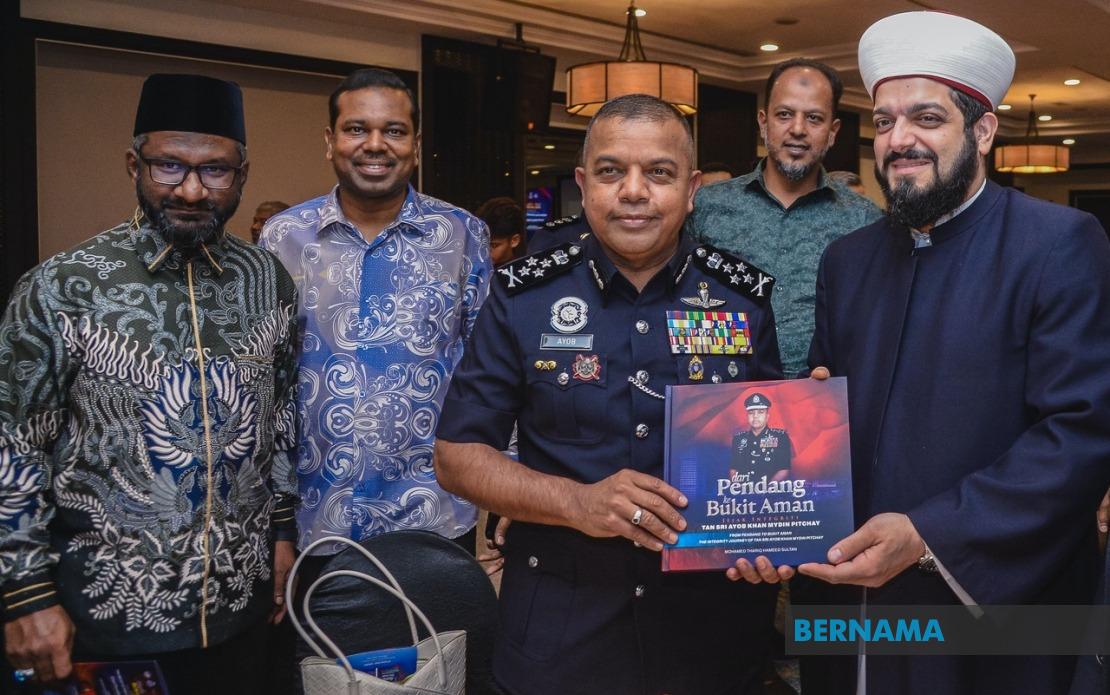
The Royal Malaysia Police has raised fresh alarms about the tactics being deployed by extremist organisations, warning that their methods are becoming increasingly sophisticated and difficult to detect. Speaking at a public event in Kuala Lumpur on July 23, Deputy Inspector-General of Police Tan Sri Ayob Khan Mydin Pitchay highlighted how recruitment approaches that once relied on direct physical contact have undergone a dramatic transformation, now leveraging the anonymity and reach afforded by digital channels.
What distinguishes this new threat landscape is the breadth of platforms being exploited. Religious study circles, or usrah sessions, traditionally served as the principal recruitment ground for militant organisations. Today, extremist groups have adapted to a digitally native environment where potential recruits can be identified and cultivated across multiple online touchpoints. The inclusion of mainstream video gaming platforms like Roblox in this arsenal signals how thoroughly these groups have embedded themselves within spaces where young people congregate, blurring the line between entertainment and indoctrination.
Ayob Khan's warning extends beyond mere platform shifting; he characterised the ideological motivations underpinning extremist recruitment as fundamentally altered. While historical narratives often portrayed militancy as primarily religious in nature, contemporary recruitment campaigns now operate on a more complex psychological framework. Emotional triggers—including anger, personal grievance, and accumulated resentment—have become equally potent drivers of radicalisation, often working in concert with ideological messaging to create a powerful motivational cocktail.
The policing implications of this evolution are substantial. The shift toward online recruitment introduces unprecedented challenges for conventional security frameworks built around surveillance of physical spaces. Law enforcement agencies must now develop the capability to identify and monitor digital ecosystems while navigating complex questions about privacy, jurisdictional authority, and the technical capacity to operate within spaces designed specifically to frustrate external monitoring. Intelligence operatives face the task of distinguishing genuine community interaction from grooming behaviour occurring across platforms where millions of interactions occur daily.
Recent arrests involving teenagers have provided concerning evidence of how effectively these online recruitment networks function. Ayob Khan referenced several such cases to underscore that extremist groups are successfully converting digital interactions into real-world commitment, including cases where young individuals have been motivated toward violence. This progression from online contact to physical action represents the critical failure point where preventive policing must intervene—yet the speed and opacity of digital radicalisation processes can compress the timeline between initial contact and harmful action to mere weeks.
The Deputy Inspector-General emphasised that passive approaches to counterterrorism are wholly inadequate in this environment. A reactive posture, where authorities respond only to detected threats, leaves Malaysia vulnerable to attacks that could occur before intelligence networks even become aware of plots in development. The police leadership is signalling that the organisation must transition toward proactive threat-hunting capabilities, investing in the technical expertise and intelligence resources required to identify nascent extremist networks before they mature to operational capability.
This preventive mandate falls primarily to specialist units within the police establishment, notably the Special Branch's Counter-Terrorism Division (E8). These units require substantial investment in digital forensics, artificial intelligence-assisted monitoring, and analysts capable of interpreting the cultural codes and communication patterns unique to online extremist communities. The technical challenge is formidable: extremist groups now employ encryption, operate across jurisdictional boundaries, and utilise recruitment techniques that superficially resemble ordinary online socialisation.
For Malaysian policymakers and security officials, Ayob Khan's public warning signals a broader acknowledgment that the terrorism prevention framework requires modernisation. Existing approaches—centred on traditional intelligence gathering, informant networks, and physical surveillance—may prove insufficient against threats that organise and radicalise almost entirely within encrypted digital spaces. The government faces choices about regulatory approaches to gaming platforms, social media companies, and telecommunications providers that host the infrastructure enabling these recruitment networks.
The regional dimension warrants consideration as well. Southeast Asia's substantial young population, combined with high digital penetration rates, creates conditions favourable to cross-border extremist recruitment operations. What occurs in Malaysia invariably connects to broader patterns of radicalisation across the region, where similar vulnerabilities exist in other countries' security frameworks. Intelligence sharing and coordinated law enforcement approaches become essential, yet remain complicated by differing jurisdictional authorities and varying legal frameworks governing online surveillance.
Ayob Khan's articulation of the threat reflects a security establishment grappling with fundamental transformation in how extremism operates. The transition from analogue to digital recruitment represents not merely a tactical shift but a strategic evolution that requires equally fundamental changes in how societies detect, prevent, and counter militant activity. Malaysia's response to these evolving threats will likely influence approaches adopted across Southeast Asia, making the development of effective countermeasures a matter of regional significance.

