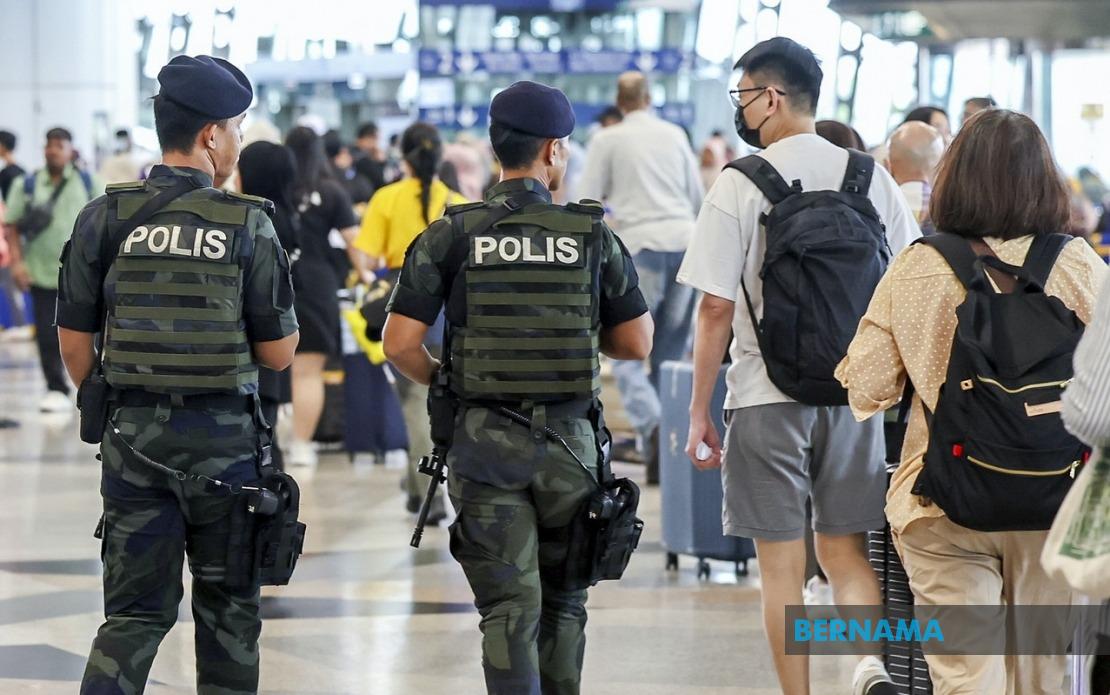
The government is taking swift action to fortify airport security following the arrest of a Malaysian pilot in Indonesia on suspected drug trafficking charges. According to Communications Minister Datuk Seri Fahmi Fadzil, the Royal Malaysia Police (PDRM) will be deployed to work alongside the Aviation Security (AVSEC) unit at Malaysian airports—a significant shift from the current system where auxiliary police handle these responsibilities. The decision emerged from discussions between the Home Ministry and Transport Ministry during a Cabinet session, signalling the administration's determination to prevent similar incidents from occurring within Malaysia's aviation sector.
The catalyst for these security upgrades stems from the detention of a 39-year-old Malaysian pilot at Soekarno-Hatta International Airport's Terminal 3 in Jakarta. Indonesian authorities discovered 15 packages during routine inspections containing approximately 70,114 capsules of ecstasy and methamphetamine, with an estimated street value reaching RM45 million based on local market valuations. The incident has exposed troubling vulnerabilities in Malaysia's aviation security protocols and raised questions about how such a substantial quantity of narcotics could potentially pass through screening processes undetected.
Fahmi's announcement reflects broader concerns within Malaysia's aviation industry regarding personnel vetting and operational oversight. The government has instructed Malaysia Aviation Group (MAG) to undertake a comprehensive reassessment of its background screening procedures and health evaluation protocols for both pilots and co-pilots. This review becomes particularly critical given that several incidents involving aviation personnel have surfaced recently, suggesting that current recruitment and monitoring systems may be insufficient to identify individuals who might pose security or integrity risks to the industry.
The security overhaul extends beyond personnel deployment. The PDRM and Malaysian Border Control and Protection Agency (AKPS) have been tasked with conducting a thorough examination of existing security infrastructure to identify any structural weaknesses or operational loopholes that could be systematically exploited. This preventative approach aims to close potential entry points before they can be leveraged by smugglers or other criminal elements seeking to use Malaysia's aviation network for illicit purposes.
For Malaysian readers, these developments carry particular significance given the region's role as a major aviation hub and the potential consequences of security failures. The incident in Jakarta demonstrates that neighbouring nations' law enforcement agencies remain vigilant, but it also underscores that Malaysian airports must maintain equally robust defences. Weak security procedures in one jurisdiction can create cross-border vulnerabilities, particularly in Southeast Asia where trafficking networks often operate across multiple countries and exploit jurisdictional gaps.
Fahmi stressed that the government is proceeding cautiously regarding the possibility of establishing a dedicated investigation task force, preferring first to receive and analyse comprehensive reports from relevant authorities rather than rushing into institutional responses. Since Indonesia's investigation remains ongoing, Malaysian officials recognise that premature action could inadvertently compromise the neighbouring country's legal proceedings. However, the minister indicated that once full documentation becomes available, the government intends to pursue accountability measures targeting all individuals potentially implicated in the smuggling operation.
The timeframe for implementing these security enhancements remains undefined, though Fahmi's language suggests a commitment to rapid execution. The deployment of PDRM personnel to AVSEC units could potentially begin almost immediately, as it primarily involves reassigning existing police resources rather than establishing entirely new institutional frameworks. However, reviewing MAG's screening protocols and conducting system-wide security audits will require more deliberate investigation and planning.
The drug seizure amount and street value underscore the stakes involved in aviation security failures. A successful smuggling operation of this scale could generate millions in proceeds for criminal organisations operating throughout Southeast Asia, potentially funding other illicit activities including weapons trafficking, human smuggling, and money laundering. This financial dimension explains why law enforcement agencies across the region view aviation security breaches as matters requiring immediate, coordinated responses.
For Malaysia's aviation industry, these security measures may trigger operational adjustments and increased staffing costs, but industry analysts generally view enhanced security as preferable to the reputational damage and regulatory consequences that would accompany another major drug trafficking incident. Airlines operating from Malaysian airports may need to adapt to new screening procedures, potentially affecting passenger processing times at hubs like Kuala Lumpur International Airport.
The broader context involves Malaysia's standing within international aviation security networks. ICAO (International Civil Aviation Organization) maintains global standards for airport security, and any significant breaches can attract international scrutiny and potentially damage Malaysia's aviation reputation among foreign carriers and passengers. By responding decisively to the Jakarta incident, the government is signalling to international aviation partners that it takes security obligations seriously.
Fahmi's emphasis on comprehensive rather than reactive measures suggests the government recognises that isolated procedural tweaks offer limited protection against determined smuggling operations. The involvement of both PDRM and AKPS indicates an integrated approach spanning airport perimeters, departure procedures, and border control mechanisms. This multi-agency coordination represents a shift toward treating aviation security as a systemic challenge requiring coordinated responses rather than compartmentalised departmental responsibilities.
Moving forward, the government's success in preventing future incidents will depend on consistent implementation of enhanced screening protocols, effective coordination between aviation security personnel and police units, and MAG's willingness to adopt more rigorous personnel assessment standards. Whether these immediate measures prove sufficient or whether additional interventions become necessary will likely become apparent within the coming months as the Indonesian investigation concludes and Malaysian authorities receive fuller documentation of how the smuggling attempt unfolded.

