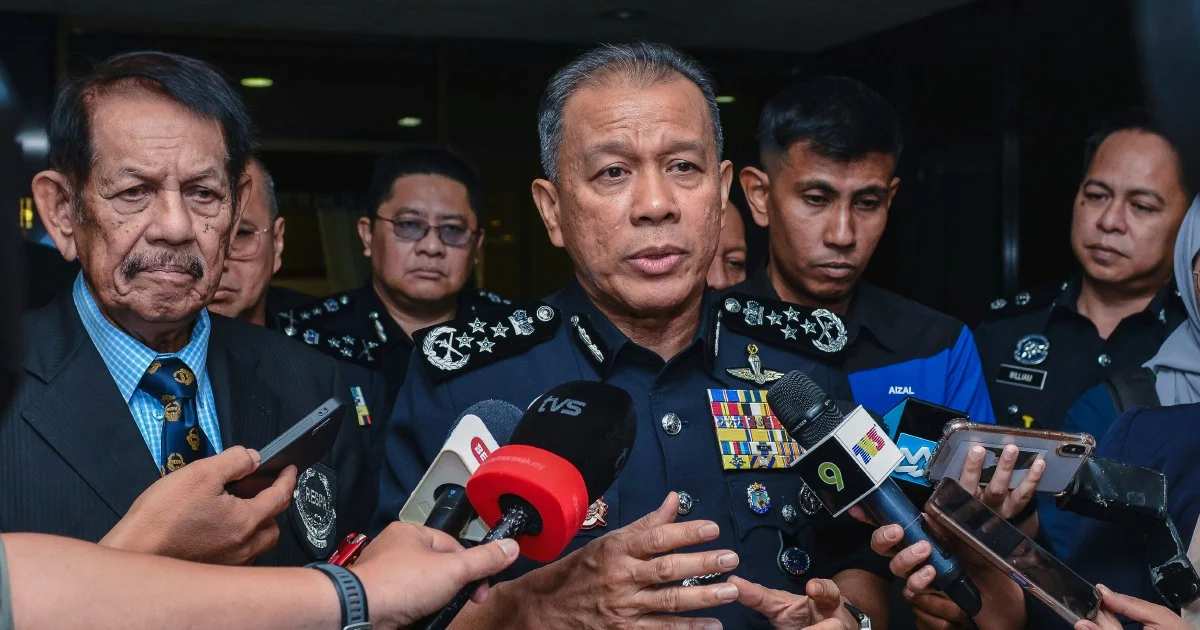
The Royal Malaysia Police has initiated formal disciplinary proceedings against one of its members following the emergence of a video that sparked widespread public outcry and online debate. The footage, which circulated rapidly across social media platforms, showed the officer allegedly making derogatory comments directed at fellow Malaysian nationals during a trip to China. Inspector-General of Police Tan Sri Razarudin Husain confirmed the department's move to examine the matter, signalling the seriousness with which the police force has treated the incident.
The viral nature of the footage underscores the evolving landscape of accountability in the digital age, where actions by public servants can instantly reach millions and generate significant reputational consequences both for individuals and institutions. The police force's swift response demonstrates awareness that such conduct, whether real or perceived, can undermine public trust and damage the institution's standing, particularly given heightened sensitivities around professional conduct and respect for citizens.
While specific details regarding the content of the alleged remarks remain subject to investigation, the incident touches on broader concerns about how officers represent Malaysia and its people when travelling abroad. Public servants, especially members of uniformed forces, carry implicit responsibility as informal ambassadors whose behaviour can reflect on the nation's reputation. The case illustrates the tension between personal conduct and professional obligations, particularly when such conduct becomes public knowledge through digital channels.
The disciplinary investigation will likely examine multiple dimensions of the incident, including verification of the video's authenticity, context in which the remarks were made, and whether any breaches of the police force's code of conduct occurred. Such inquiries typically involve detailed interviews, evidence collection, and consultation with multiple stakeholders to ensure thoroughness and fairness. The process represents standard procedure when investigating allegations against personnel, designed to establish facts independently rather than rely solely on viral interpretations.
For Malaysian readers and the public more broadly, the investigation carries significance beyond the individual officer involved. It touches on questions of institutional standards, how the police force maintains discipline within its ranks, and whether disciplinary mechanisms function effectively when matters become highly publicised. The outcome may also influence how other officers approach their conduct while overseas and interact with fellow citizens in international settings.
The incident's emergence on social media reflects the current environment where individuals, including police personnel, must navigate heightened visibility of their actions. Remarks that might have remained private in earlier eras now face potential documentation and worldwide distribution within hours. This reality creates fresh challenges for police leadership in communicating expectations around professional behaviour both during official duties and personal time abroad.
China remains a significant destination for Malaysian travellers, business professionals, and officials. The video's focus on conduct in that location adds another layer, as relations between Malaysia and China continue to expand across trade, investment, and people-to-people exchanges. Any perception of disrespect towards fellow nationals in a third country potentially carries diplomatic undertones, even if the incident itself remains interpersonal in nature.
The police force's decision to pursue formal discipline rather than dismiss the matter or handle it informally signals institutional commitment to maintaining standards regardless of rank or visibility. Such action sends a message to both personnel and the public that conduct standards apply uniformly and that serious allegations receive appropriate investigation. The approach also provides the officer involved with formal procedures to respond to charges and present their perspective.
Outcomes from the disciplinary process could range from recommendations for retraining and counselling through to more substantial penalties, depending on investigation findings. The police force will need to balance accountability with proportionality, ensuring that any action reflects the severity of substantiated misconduct while maintaining fair process. How the force concludes this matter will likely attract continued public attention given the case's viral history.
Beyond the immediate situation, the case contributes to broader conversations within Malaysia about professional standards, digital accountability, and the expectations placed on public sector employees. It underscores how quickly allegations can gain traction online and the consequent pressure on institutions to respond transparently. For other police personnel, the investigation serves as a practical reminder that personal conduct, even during off-duty time abroad, remains subject to institutional oversight and public scrutiny in an increasingly interconnected world.
The investigation also reflects the challenge facing modern police leadership in maintaining institutional discipline while adapting to digital-era realities where nearly every interaction risks documentation and public dissemination. The Royal Malaysia Police's response indicates an understanding that swift, transparent handling of such matters, guided by established disciplinary procedures, represents the most effective means of addressing public concerns and maintaining the force's credibility and standing.

