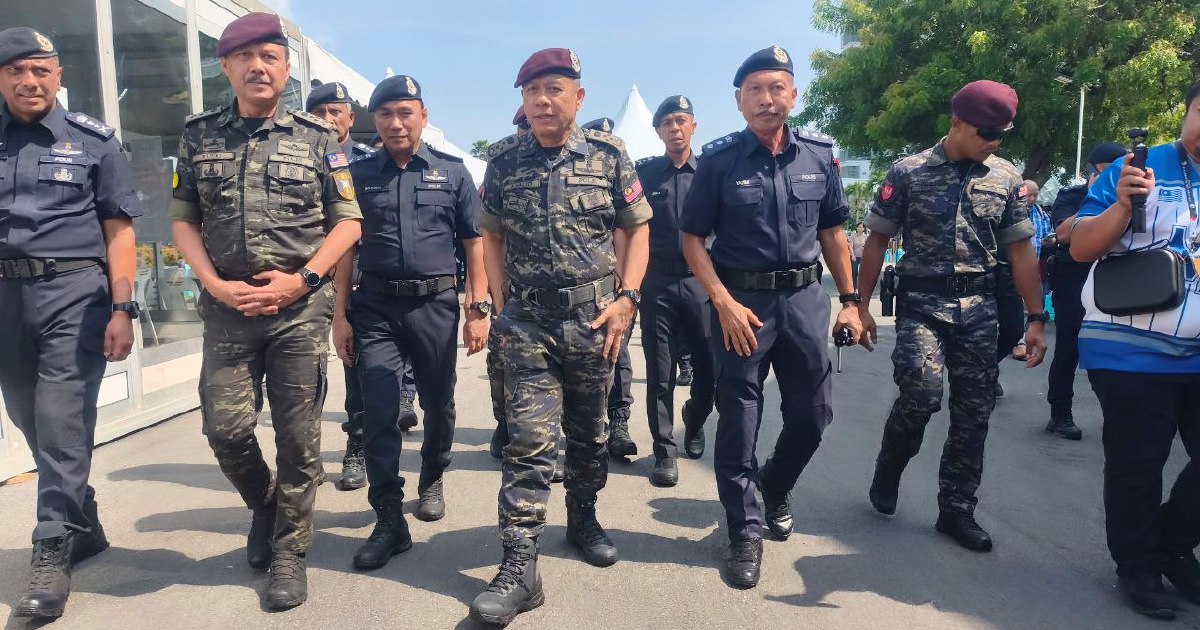
The Negeri Sembilan state election campaign concluded with law enforcement agencies processing a substantial volume of complaints, with police confirming they had initiated two dozen formal investigations stemming from nearly a hundred reports submitted by the public. Inspector-General of Police Tan Sri Mohd Khalid Ismail disclosed this information in Seremban, shedding light on the conduct and oversight mechanisms in place during the electoral process.
The figures underscore the operational intensity required to manage conduct during major electoral events in Malaysia. With 92 reports generating 24 formal investigation papers, the data suggests that roughly one in four complaints received sufficient merit to warrant opening a probe. This conversion rate reflects the police's assessment process and the varying nature of allegations brought to their attention—ranging from logistical infractions to more serious electoral violations.
Election campaigns in Malaysia remain periods of heightened public engagement and, correspondingly, heightened sensitivity to irregularities or breaches of campaign regulations. The Election Commission's rules governing campaign conduct exist to ensure fair competition among political contenders and to maintain public confidence in the electoral process. Police involvement during these periods is critical to addressing violations that may occur in real time.
The nature of investigations opened during campaign periods typically encompasses a spectrum of concerns. These might include allegations related to campaign financing transparency, unauthorized electioneering in restricted zones, breaches of acceptable conduct standards, or other infractions detailed under Malaysia's electoral legislation. The balance between preserving electoral integrity and respecting democratic freedoms remains a central challenge for enforcement authorities.
Negeri Sembilan, a state located in the central region of Peninsular Malaysia, represents a microcosm of electoral dynamics in Malaysia's smaller states. The state's political contests often reflect broader national trends while maintaining their own distinct local character shaped by regional demographics, economic structures, and established political loyalties. The scale of the election campaign—and consequently the volume of complaints—provides insight into the level of political engagement and contestation in the state.
The timing of Inspector-General Mohd Khalid Ismail's disclosure, coming immediately after the campaign period's midnight deadline, reflects institutional responsibility to provide public accountability regarding law enforcement's role in maintaining electoral order. Such transparency reassures stakeholders that the process was monitored and that breaches did not go unaddressed or unrecorded.
For Malaysian voters and observers, the figures carry implications about the state of electoral conduct across the country. A relatively structured complaints system that translates into formal investigations suggests that mechanisms exist for addressing concerns. However, the nature and outcomes of these 24 investigations remain matters of public interest, as they will ultimately determine whether the complaints represented genuine violations or false allegations.
The investigation phase following an election campaign often extends well beyond the campaign period itself. Police and relevant authorities typically require additional time to gather evidence, interview witnesses, and prepare case files for potential prosecutorial action. Consequently, the opening of investigation papers during the campaign period represents the beginning rather than the conclusion of the accountability process.
From a regional perspective, Malaysia's election management processes are frequently examined as benchmarks within Southeast Asia's democratic landscape. The extent to which law enforcement addresses electoral complaints—whether through investigations or rulings of insufficient evidence—contributes to public perception of electoral credibility. Neighbouring countries and international observers often assess Malaysia's election integrity partly through the transparency and thoroughness of post-election reviews.
For political parties and candidates involved in the Negeri Sembilan election, the opening of investigations carries both risk and potential vindication depending on outcomes. Candidates who have been subjects of complaints await resolution, while those who filed complaints await confirmation that their concerns are being treated seriously. The investigation phase thus remains a period of tension and uncertainty.
Moving forward, the relevant authorities will be tasked with concluding these 24 investigations and determining whether violations occurred. Should breaches be confirmed, appropriate enforcement action—ranging from financial penalties to more serious consequences—may follow. The findings will likely inform how election stakeholders prepare for future campaigns, potentially adjusting their operational procedures to ensure compliance.
The engagement of the Inspector-General of Police in publicly reporting these figures reflects the seriousness with which law enforcement treats electoral matters. This institutional attention signals to all participants that election campaigns remain monitored and accountable spaces, subject to the same rule-of-law principles governing other aspects of Malaysian public life.

