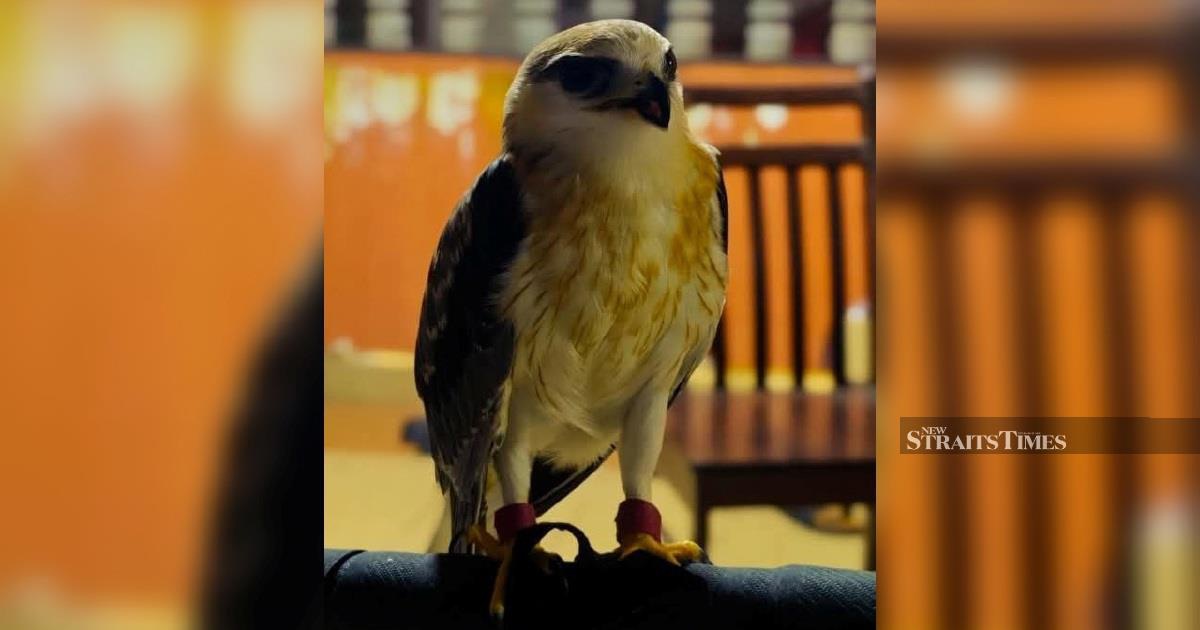
Law enforcement authorities in the Klang Valley have moved against illegal wildlife trafficking in a targeted operation, apprehending a suspect and recovering a high-value bird of prey being held in violation of Malaysia's wildlife protection laws. The Black-winged Kite, an exotic species valued at RM100,000, was seized during a raid at a residence in Taman Sungai Kapar Indah, with the suspect taken into custody for failing to maintain the required licensing and permits to keep such a protected species.
The operation represents part of broader enforcement efforts across Selangor aimed at disrupting the underground market for rare and expensive exotic birds. Such creatures command premium prices among private collectors and hobbyists in Malaysia and the wider region, creating economic incentives for individuals to circumvent wildlife regulations. The Black-winged Kite, a raptor species sought after for its distinctive markings and behavioural characteristics, has become increasingly valuable in private aviculture circles, making it a frequent target for illegal collection and trade.
Malaysia's wildlife protection framework requires that all individuals wishing to keep protected species must obtain explicit licenses and permits from the relevant authorities. These regulatory mechanisms exist to prevent overexploitation of vulnerable populations and to ensure that animals in captivity receive appropriate care standards. The absence of such documentation at the Kapar property indicates that the keeper had not undergone the mandatory assessment and approval process, which includes verification of suitable housing, feeding protocols, and general welfare provisions.
The arrest exemplifies the increasing sophistication of enforcement operations targeting unlicensed exotic animal ownership. Police units have been augmented with training to identify protected species and to recognise indicators of illegal keeping, such as inadequate facilities or absence of documentation. This operational capability has yielded multiple successful interventions over recent years, with officers now able to respond more rapidly to intelligence about suspected breaches of the Wildlife Conservation Enactment and related legislation.
The economic value attributed to the seized bird underscores the lucrative nature of the illicit exotic pet market. Collectors and enthusiasts are often prepared to invest considerable sums to acquire rare specimens, particularly those known for specific behavioural traits or physical characteristics. This demand, combined with the potential for substantial profit margins, has sustained black market networks that source animals from various origins, including legal breeders operating outside regulated channels and, in some cases, wild-caught specimens.
From a conservation perspective, unregulated private ownership of protected species poses several interconnected risks. When animals are kept without proper oversight, there is no assurance that breeding records are maintained, genetic diversity is preserved, or that individuals with hereditary health conditions are prevented from reproducing. The practice also diverts animals from potential conservation-breeding programmes where professionally managed facilities might contribute to population recovery for species facing habitat loss or other threats in the wild.
The case highlights ongoing challenges faced by Malaysian authorities in combating organised wildlife trafficking networks. While individual enforcement actions generate important deterrent effects and remove animals from unsuitable conditions, law enforcement must contend with well-organised suppliers and an apparently resilient consumer base willing to operate outside legal frameworks. Border controls, inter-agency coordination, and community reporting remain essential components of any comprehensive strategy to curtail these activities.
For Malaysian wildlife managers, the incident also reflects broader regional dynamics in the exotic pet trade. Neighbouring countries and international markets create transnational demand that influences local trafficking patterns. The rise of online platforms and social media has simplified the marketing and sale of exotic animals, making it more difficult for authorities to maintain visibility over the market and to intercept transactions before animals change hands.
The seized Black-winged Kite will now enter official custody, with arrangements to be made for its long-term welfare through established wildlife facilities or rehabilitation centres. Such facilities must provide appropriate environmental enrichment, proper nutrition, and veterinary care to ensure the bird's physical and psychological wellbeing. The investigation into the suspected offences will proceed through the appropriate legal channels, with charges anticipated to be pursued under wildlife protection statutes.
This operation signals that Malaysian law enforcement agencies continue to prioritise action against illegal exotic animal ownership despite competing demands on their resources. Sustained enforcement messaging, combined with public education about the legal requirements for keeping protected species, remains central to reducing the prevalence of unlicensed private ownership. The message is clear: those contemplating keeping exotic birds and other protected animals must navigate the licensing process rather than operating clandestinely.

