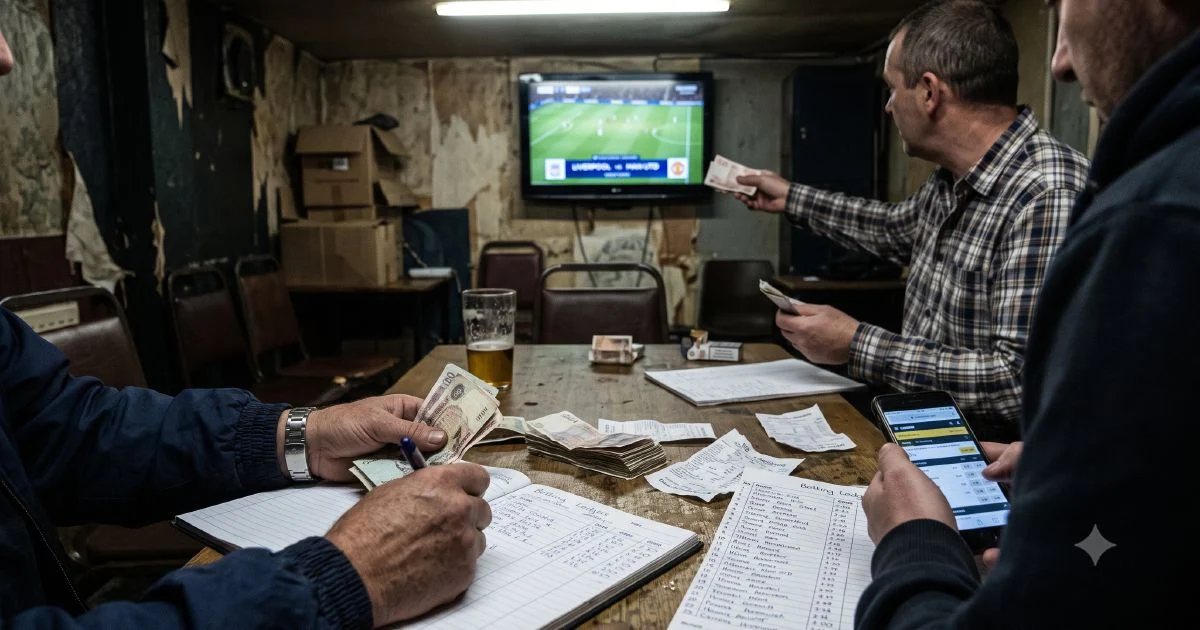
Malaysian police have moved decisively against underground gambling networks tied to the upcoming FIFA World Cup 2026, launching a comprehensive nationwide enforcement drive that has resulted in the arrest of 331 people and the identification of betting transactions totalling more than RM2.63 million. The coordinated operation, designated Op Soga XI, represents one of the most significant recent crackdowns on unlicensed sports betting and online gambling activities, signalling the authorities' commitment to stemming the flow of money through illegal channels during major sporting events.
The enforcement action reflects a growing recognition among Malaysian law enforcement that major international sporting tournaments create heightened opportunities for criminal syndicates to expand their betting operations. The FIFA World Cup, held every four years and drawing hundreds of millions of viewers worldwide, generates enormous demand for wagering, particularly in markets where legal betting options remain limited or tightly controlled. Operators running unlicensed betting rings exploit this demand, often employing sophisticated technology and networks to evade detection and regulation.
Operation Soga XI's scale underscores the breadth of illegal gambling infrastructure operating across Malaysia. The 331 arrests encompass individuals at various levels of the enterprise, from those placing bets through underground channels to those managing operations and facilitating transactions. This hierarchical approach to enforcement reflects lessons learned from previous operations, recognising that disrupting organised gambling requires targeting not merely end users but also the organisational structures that enable large-scale illegal wagering.
The RM2.63 million in identified betting transactions represents only a snapshot of suspected illegal activity. Actual volumes may be significantly higher, given the clandestine nature of underground betting and the challenges authorities face in detecting all transactions. Unlicensed operators employ various methods to obscure money flows, including cash transactions, cryptocurrency transfers, and shell company arrangements, making it difficult for regulators to capture the complete picture of the illegal gambling economy.
For Malaysian readers, the operation carries particular significance given the nation's approach to gambling regulation. Malaysia permits licensed sports betting through designated operators like Magnum 4D and Singapore Pools, reflecting a pragmatic acknowledgement that demand for wagering exists and cannot be entirely eliminated through prohibition. However, the substantial scale of illegal activity suggests that underground operations remain far more widespread than many realise, indicating either gaps in consumer awareness regarding legal betting channels or deliberate evasion motivated by better odds, lower barriers to entry, or anonymity.
The timing of Op Soga XI ahead of the 2026 World Cup tournament indicates forward-planning by authorities who anticipate even greater illegal gambling activity during the competition itself. History demonstrates that major sports events create temporary spikes in betting volume as casual enthusiasts join regular gamblers in wagering. Malaysia's experience with previous major tournaments shows that law enforcement must scale up resources during these periods to maintain effective oversight and discourage participation in illegal betting.
Criminal syndicates operating underground betting networks generate substantial profits, portions of which often flow toward other illicit activities including loan sharking, money laundering, and organised crime. Disrupting these operations therefore extends beyond protecting individuals from gambling-related harms to weakening broader criminal enterprises. The financial flows documented in Op Soga XI, while substantial, likely represent merely a fraction of proceeds that criminal organisations derive from illegal betting operations across the country.
The operation also highlights technology's role in facilitating illegal gambling. Online platforms and encrypted communication channels enable operators to manage betting activities across vast distances while maintaining relative anonymity. This technological dimension complicates enforcement, requiring law enforcement agencies to develop expertise in digital investigation, financial forensics, and online surveillance. Malaysian authorities' apparent capacity to identify RM2.63 million in transactions suggests they have developed or are developing such capabilities, though continuing technological innovation by criminals presents ongoing challenges.
Consumer protection constitutes another dimension of the enforcement effort. Individuals betting through unlicensed operators receive no regulatory protections, meaning they face significant risks if disputes arise regarding payouts, manipulation of odds, or outright fraud. Licensed betting operators, by contrast, operate under regulatory oversight and must maintain standards regarding fair odds, prompt payouts, and responsible gambling messaging. Law enforcement crackdowns indirectly encourage consumers toward legal options by raising the risks and reducing the accessibility of illegal alternatives.
The geographical scope of Op Soga XI across Malaysia indicates that illegal gambling infrastructure penetrates both urban and regional areas, suggesting demand for unlicensed betting exists throughout the country rather than being concentrated in major cities. This distribution pattern complicates enforcement, requiring coordinated action among federal and state-level police as well as other agencies. Successful operations depend on intelligence-sharing mechanisms, coordination protocols, and sustained resource commitment across multiple jurisdictions.
Looking forward, Malaysian authorities will likely face ongoing pressure from betting syndicates seeking to capitalise on World Cup interest. The 331 arrests represent a significant initial blow to operations, but organised crime groups typically respond to enforcement by adapting their methods, relocating operations, or rebuilding disrupted networks. Sustained and evolving enforcement strategies, combined with public education regarding legal betting alternatives and gambling risks, will prove necessary to maintain pressure on illegal operations throughout the 2026 tournament period and beyond.

