Law enforcement in Malaysia's southern state of Johor is preparing for a major security operation, with the Royal Malaysia Police announcing the deployment of 11,926 officers and personnel to oversee the forthcoming state election. The comprehensive mobilisation reflects the significance authorities place on maintaining order and ensuring procedural integrity throughout the electoral process, which will unfold across multiple operational phases tailored to shifting security requirements.
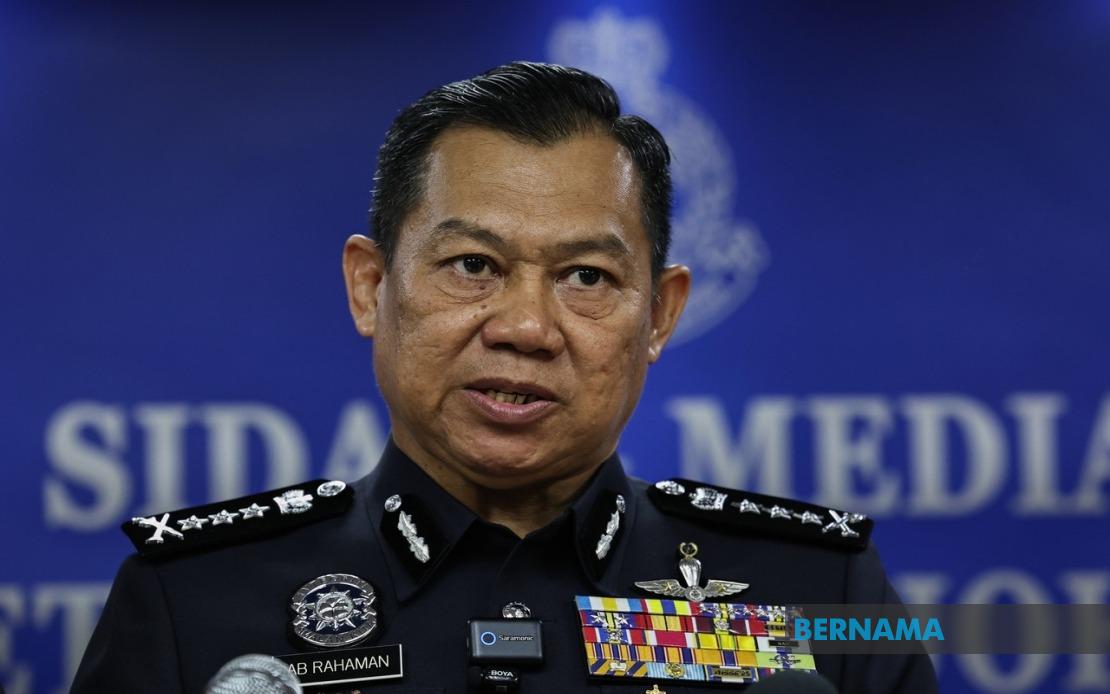
Johor Police Chief Datuk Ab Rahaman Arsad disclosed the scale of the operation during a media briefing held at state police headquarters in Johor Bahru on June 18. The deployment strategy, he explained, adopts a phased approach that will extend across the entire election period. Rather than a static force allocation, the police contingent intends to adjust personnel placement according to emerging operational demands, allowing for flexible response to conditions on the ground as polling progresses through different stages and locations across the state.
Beyond the core PDRM contingent, Johor's police apparatus will receive reinforcement from specialised units operating under the Internal Security and Public Order Department. This interagency coordination underscores how Malaysia's security establishment coordinates across multiple portfolios to manage significant civic events. The General Operations Force, Federal Reserve Unit, PDRM Air Unit, and Marine Police Force collectively contribute 54 officers and 701 personnel to augment Johor's security framework, bringing additional tactical capabilities to bear on election-day operations and the surrounding period.
The integration of paramilitary assets reflects broader regional security considerations. Johor, situated as Malaysia's southernmost state and sharing a land border with Singapore, occupies strategic importance within the national security architecture. Elections in such geographically sensitive jurisdictions typically warrant enhanced coordination between federal and state-level agencies, ensuring that resource allocation accounts for transnational factors and border management alongside routine electoral security. The deployment of marine police units particularly signals attention to coastal vulnerabilities during a period when public attention concentrates on political activity.
For Malaysian readers, the scale of this police operation offers insight into how authorities approach state-level elections in an era of heightened security consciousness. The 11,926-strong contingent represents a substantial commitment of personnel and logistical resources, suggesting officials anticipate sustained operational requirements throughout the electoral cycle. The five-phase deployment model indicates sophistication in planning, with authorities recognising that security needs fluctuate markedly across pre-election, polling-day, and post-election periods. Initial phases likely involve reconnaissance, positioning, and intelligence gathering, whilst later phases concentrate on direct observation and rapid response.
Regional observers should note that election security in Malaysia operates within a specific constitutional and operational framework. Unlike some neighbouring jurisdictions where election monitoring involves multiple competing stakeholders, Malaysian elections fall squarely under police oversight, with the Election Commission managing administrative aspects. This unified command structure, reflected in the single-agency deployment model, allows for coordinated response but also concentrates responsibility for outcomes. The police narrative emphasizes operational flexibility and responsiveness rather than a predetermined, rigid approach.
For the business community and investors, election security operations carry tangential implications. Large police mobilisations can affect traffic patterns, restrict movement in certain areas, and temporarily disrupt normal commercial activity. The five-phase approach may allow businesses to anticipate disruptions and adjust operations accordingly, though precise timings and geographic scope remain undisclosed. Johor's significance as an industrial and commercial hub means that security operations, however necessary, carry economic considerations that stakeholders will monitor closely.
The commitment of additional paramilitary resources also reflects lessons learned from previous elections and assessments of potential flashpoints. While Malaysia's elections generally proceed without major security incidents, the police deployment demonstrates institutional readiness to manage scenarios ranging from routine crowd control to more serious contingencies. The involvement of air and marine units suggests authorities consider comprehensive coverage across all terrain types, preventing gaps that might otherwise exist if operations relied solely on ground-based personnel.
Southeast Asian context matters here as well. Within the broader region, Malaysia's election security operations generally rank among the more organised and professional, reflecting the country's relatively mature institutional capacity. This deployment in Johor contributes to that reputation, though it also raises questions about proportionality and the resource cost of electoral administration. Nations across Southeast Asia scrutinise one another's election management practices, and Malaysia's approach sets implicit benchmarks for the region.
For ordinary Johor residents, the police deployment will likely remain largely invisible unless they encounter checkpoints or cordons on election day itself. The bulk of the 11,926 personnel will focus on intelligence gathering, coordination, and preventive presence rather than visible confrontation. This low-profile approach reflects established Malaysian practice, where police seek to project authority through preparedness rather than aggressive street-level operations. The phased deployment model permits concentration of resources at critical junctures whilst maintaining baseline security presence throughout.
Looking forward, the election will test the effectiveness of this deployment strategy in real-world conditions. Post-election analysis will likely examine whether the resource allocation proved sufficient, whether the five-phase model effectively matched operational requirements, and whether the coordination between PDRM and federal agencies functioned smoothly. Such institutional learning, accumulated across successive elections, gradually refines Malaysia's electoral security architecture and informs resource allocation decisions for future elections across other states.