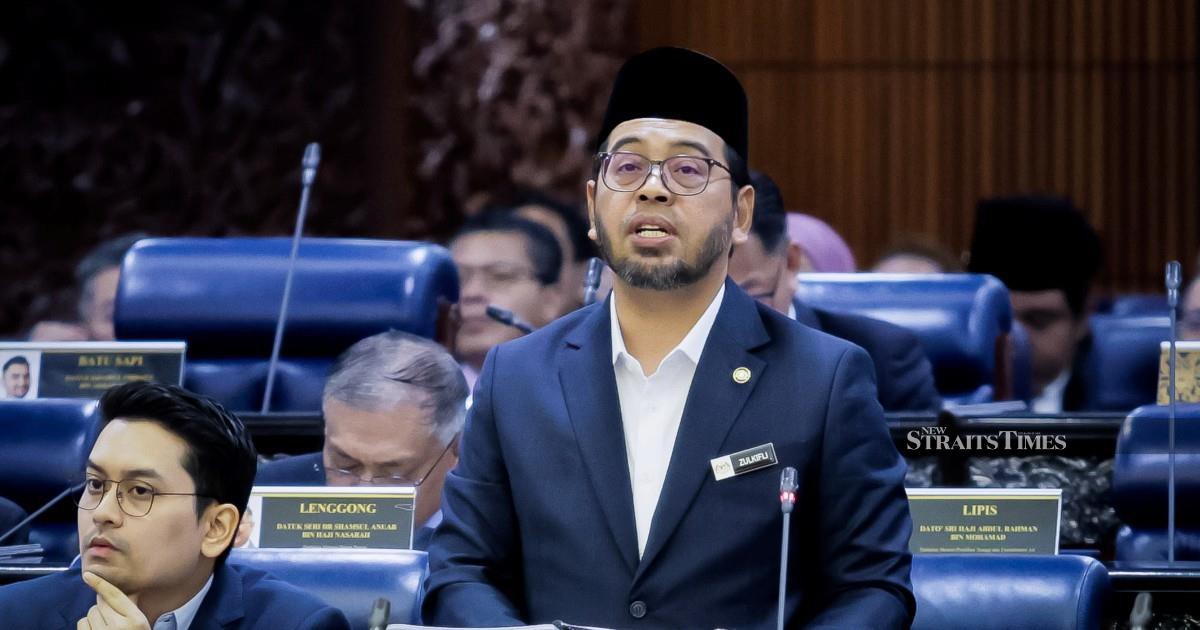
The Royal Commission of Inquiry's damning findings on Lembaga Tabung Haji have triggered a coordinated enforcement response, with both the Royal Malaysia Police and the Malaysian Anti-Corruption Commission moving swiftly to launch parallel investigations. The twin probes represent a significant escalation in scrutiny of the pilgrimage fund, signalling that authorities are treating the RCI's recommendations with considerable urgency. Several individuals have already been detained as part of these initial enforcement actions, though specific identities and detailed allegations remain under wraps pending the investigations' progression.
The TH RCI, which conducted an exhaustive examination of the fund's operations and governance, uncovered evidence suggesting serious breaches of fiduciary duty and potential financial impropriety. The scope of the inquiry captured years of institutional decision-making, transaction records, and management protocols, generating a comprehensive record of systemic failings. Rather than treating the RCI's output as a purely fact-finding exercise, the enforcement agencies have evidently regarded its conclusions as sufficiently substantiated to warrant formal criminal investigation, a development that underscores the gravity of the findings.
Tabung Haji's centrality to Malaysian Muslim life—as custodian of some RM82 billion in savings for approximately 9.3 million account holders—means that any institutional dysfunction carries profound implications for millions of ordinary Malaysians and their families' spiritual aspirations. The fund's primary purpose, enabling Malaysian Muslims to fulfil the hajj pilgrimage obligation, intersects with deep religious commitment and personal savings discipline. When governance failures occur at such an institution, the reputational and financial consequences ripple through communities nationwide, affecting not merely individual savings but also public confidence in religiously-mandated financial intermediaries.
The detention of multiple individuals signals that investigators have identified potential culpability extending beyond systemic drift or isolated lapses. The specificity of detentions—rather than merely summoning individuals for interviews—suggests that law enforcement bodies believe sufficient evidence exists to warrant custodial questioning. The rationale behind detention typically involves securing statements, gathering further leads, and preventing potential tampering with evidence or coordination among suspected wrongdoers. The decision to detain multiple parties simultaneously points toward possible coordination or shared responsibility in the alleged misconduct.
MACC's involvement reflects the corruption dimension of the alleged breaches. Beyond potential financial mismanagement, the inquiry evidently identified instances where decision-makers may have prioritised personal interests or external beneficiaries ahead of the fund's members and institutional mandate. Corruption charges carry particular gravity within Malaysia's institutional framework, triggering not only criminal liability but also potential disqualification from public office and reputational devastation. The commission's participation indicates that investigators suspect more than mere incompetence or poor judgment—they suspect intentional wrongdoing motivated by corrupt intent.
The timing of these enforcement actions carries political significance within Malaysia's ongoing accountability narrative. Following the Sheraton Move of 2020 and subsequent political realignments, the government has positioned itself as committed to tackling institutional corruption and restoring public trust. The TH RCI findings offered a concrete opportunity to demonstrate that commitment, translating investigative findings into tangible legal consequences. For citizens and observers tracking institutional accountability, the enforcement response signals that anti-corruption rhetoric translates occasionally into prosecutorial action.
For TH members, the unfolding investigation introduces an additional layer of uncertainty atop existing concerns about fund management and investment performance. Investigations can extend over months or years, creating prolonged institutional instability and management uncertainty. Current and aspiring pilgrims face questions about whether their contributions remain appropriately safeguarded during this period. The psychological impact of discovering that institutions entrusted with savings operated under compromised governance cannot be underestimated, particularly when such institutions carry religious significance.
The investigation's progression will likely inform broader governance reforms across Malaysian statutory bodies and fund managers. The TH case provides a template for scrutinising institutional accountability at similar institutions, from pension funds to religious endowments. Should convictions emerge from these investigations, they would establish significant precedent regarding expectations for board-level governance, investment decision-making scrutiny, and fiduciary responsibilities within Malaysian institutional frameworks.
Beyond the immediate criminal dimension, the TH matter illustrates broader tensions between governance oversight and institutional autonomy. Statutory bodies in Malaysia often operate with considerable discretion regarding investment strategies, recruitment, and financial allocation. The RCI process and subsequent investigations reflect society's expectation that discretionary authority must be exercised transparently and with demonstrable regard for stakeholder interests. The outcomes of these probes will shape how future inquiries approach similar institutional examinations and what enforcement consequences attach to RCI findings.
The detention of suspects under investigation represents the first phase of what will likely become an extended legal process. Investigations must be completed, files prepared, and prosecutorial decisions made before charges materialise. The publicity surrounding these initial detentions, combined with the RCI's public findings, creates substantial reputational consequences for those involved, irrespective of ultimate legal outcomes. For TH itself, the institutional remediation process—implementing governance reforms, replacing leadership, restructuring decision-making protocols—must occur simultaneously with criminal proceedings, creating a complex operational environment for fund management during a period requiring institutional stability.

