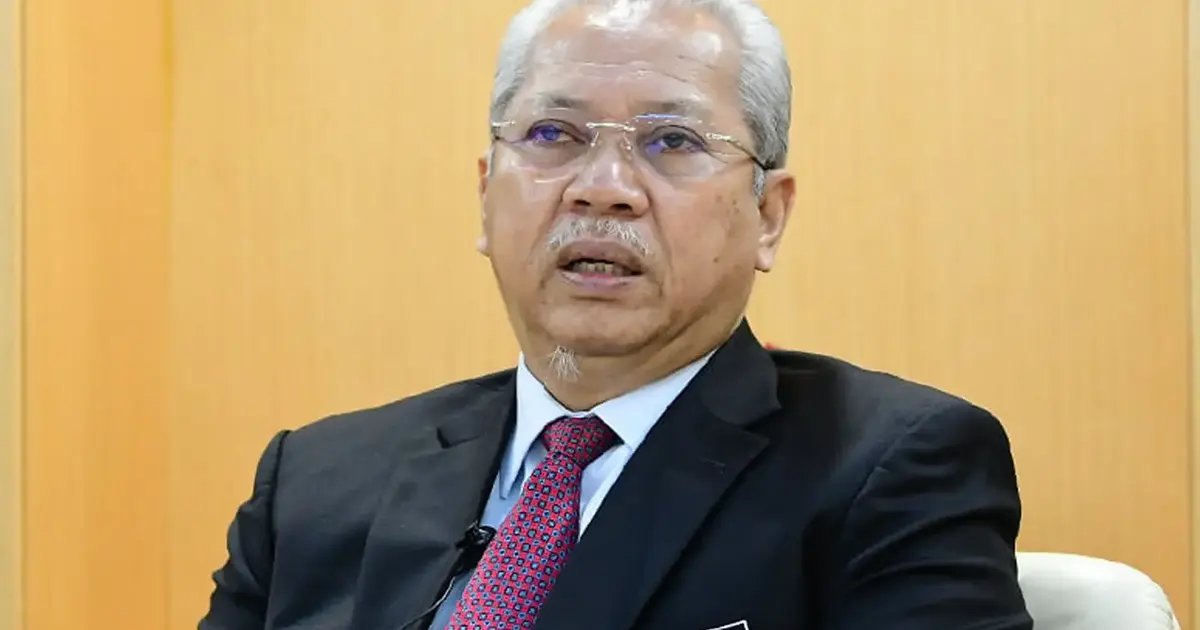
Perikatan Nasional's leadership is moving to settle mounting tensions within the coalition's ranks, with a Supreme Council meeting scheduled for Monday to address thorny questions surrounding Bersatu's status and the disputed use of the coalition's electoral logo. Information chief Annuar Musa signalled that the gathering represents the coalition's formal mechanism for resolving the contentious issues that have begun to strain internal unity ahead of critical state-level contests in two key regional players.
The logo dispute has emerged as a flashpoint for deeper uncertainties about Bersatu's commitment to the broader PN alliance. Since the party's leadership underwent shifts in recent months, questions have surfaced regarding whether Bersatu intends to remain fully embedded within the coalition framework or chart a more independent political course. These tensions carry particular weight given Bersatu's historical role as a founding anchor of PN and its continuing influence within the bloc's decision-making architecture.
According to Annuar Musa's public statements, the Supreme Council remains the only venue where such foundational questions can be authoritatively resolved. This reflects the formal supremacy that PN's highest governing body holds over constituent parties and individual leaders. The decision to elevate these matters to the Supreme Council rather than leaving them for bilateral negotiations between party heads underscores the severity with which the coalition's hierarchy views the present disagreements.
The seat allocation disputes for Johor and Negeri Sembilan have compounded internal friction significantly. Both states represent strategically important territories within Malaysia's electoral landscape, and seat distribution determines each coalition partner's bargaining power and visibility heading into the contests. When multiple parties within an alliance stake claims to identical constituencies, the resulting standoff can paralyse campaign preparation and voter messaging.
For Malaysian readers familiar with recent state electoral cycles, these seat-sharing rows carry echoes of similar crises that have periodically threatened other broad coalitions. The way PN navigates these next few days will likely influence perceptions of the coalition's internal cohesion and its capacity to maintain unified messaging when facing opposition parties like Pakatan Harapan. A protracted dispute or a perceived unfair resolution could embolden defections or foster resentment among junior coalition members.
Johor represents particularly high stakes, as the state has historically served as a bellwether for national political trends and boasts one of Malaysia's largest voter populations. Negeri Sembilan, though smaller, occupies a symbolically important position as a swing state that has alternated between different political alignments in recent electoral cycles. How seat allocations are distributed in both territories will shape which coalition member benefits most from potential gains.
The timing of Monday's meeting suggests PN leadership recognises the need for resolution before intensive campaigning accelerates. Early decisions on logo usage and seat assignments typically establish the groundwork for candidate selection, publicity strategies, and constituency-level coordination. Delay risks creating operational bottlenecks that could disadvantage PN relative to better-organised opposition machinery.
Bersatu's potential departure from PN or significant reorientation within the coalition would represent a seismic shift in Malaysian political alignments. The party commands meaningful grassroots networks and holds several parliamentary and state seats that remain crucial to PN's overall strength. A formal rupture would not merely reduce PN's numerical capacity but could trigger broader realignments as other coalition members reassess their strategic positions and independence calculations.
The Supreme Council's deliberations will likely hinge on whether compromise formulas can be constructed that satisfy competing interests while preserving the coalition's public facade of unity. Annuar Musa's willingness to speak candidly about the challenges ahead suggests that PN leadership recognises the gravity of present tensions and wishes to avoid the appearance of backroom dealings conducted without transparency. This openness itself may reflect confidence that the Supreme Council process will ultimately produce workable outcomes.
Regional observers across Southeast Asia monitor Malaysian coalition dynamics closely, as PN's stability or instability carries implications for Malaysia's broader economic and diplomatic positioning. Coalition fragmentation could destabilise government formation processes and create openings for political opportunism that diverts attention from pressing policy challenges. Conversely, successful internal conflict resolution would reinforce perceptions of PN as a mature, organised political force capable of sustained governance.
The outcomes emerging from Monday's session will become apparent to the public through announcements from PN's information apparatus and statement releases from constituent parties. The coalition's handling of these disputes—whether through compromise, imposition of majority will, or acceptable side agreements—will significantly shape internal morale and external confidence in PN's readiness for the Johor and Negeri Sembilan elections. Political observers will scrutinise not only the final decisions but the tone and process by which they are announced.

