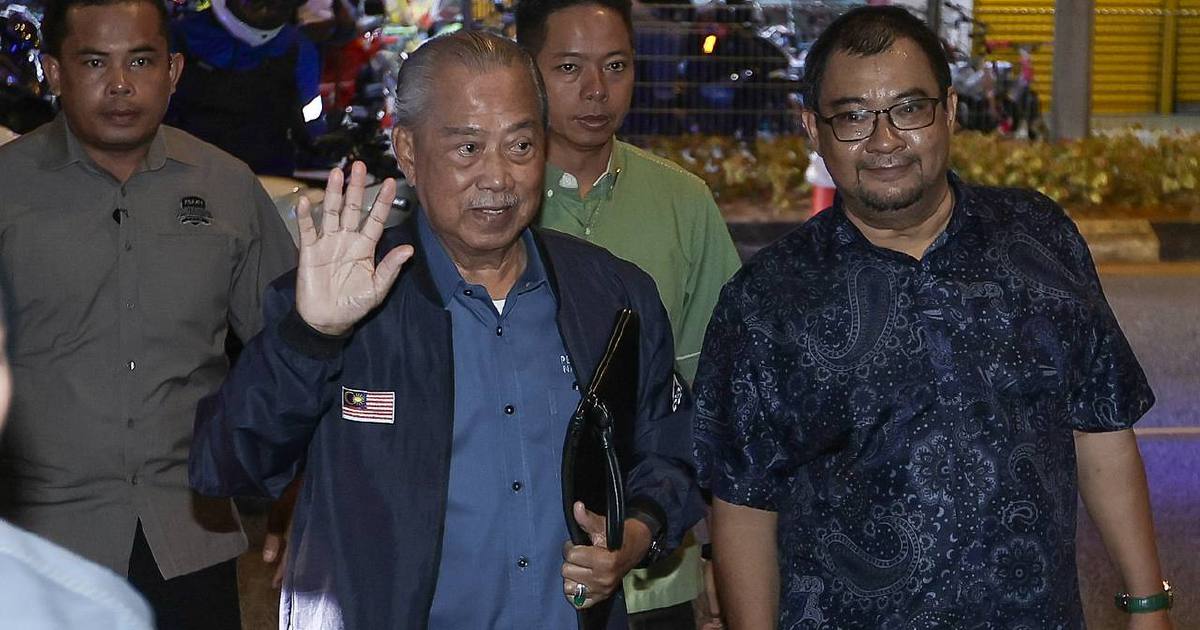
Perikatan Nasional convened an emergency gathering of its Supreme Council in Kuala Lumpur that concentrated on broader coalition strategy rather than internal party dynamics, according to statements released following the closed-door session. The meeting addressed questions surrounding potential recruitment of additional political parties into PN's fold, yet notably avoided tackling the contentious issue of Bersatu's own position and role within the opposition bloc.
This deliberate circumvention of the Bersatu question hints at underlying tensions within PN that party leaders prefer not to address publicly at this juncture. The timing of an emergency meeting signals urgency around coalition matters, yet the omission of explicit discussion regarding one of PN's key constituent parties suggests carefully calculated messaging. By focusing on expansion rather than internal review, PN's leadership appears to be projecting an image of forward momentum rather than addressing fractious questions about existing membership.
Bersatu, the Malaysian United Indigenous Party, holds significant weight within the PN coalition. As the party of former Prime Minister Muhyiddin Yassin, who currently leads PN as a whole, its standing carries obvious political weight. The party's participation has been fundamental to PN's emergence as a cohesive opposition force following the 2022 general election. Yet tensions have occasionally surfaced regarding the direction and composition of the broader alliance, making any formal discussion potentially destabilising.
The strategic decision to concentrate the emergency session on prospective membership expansion rather than consolidating existing relationships reveals an interesting calculus about PN's current priorities. Rather than risk reopening questions about whether current members, particularly Bersatu, fully align with coalition objectives, leadership opted to project unity by discussing how to strengthen the bloc through new additions. This forward-looking posture can serve to deflect from internal complications that might undermine the alliance's cohesion.
For Malaysian political observers, understanding what was deliberately not discussed often matters as much as what was placed on the agenda. In this instance, the absence of a Bersatu membership discussion from an emergency Supreme Council meeting suggests that whatever concerns may exist around the party's participation or contribution have not yet reached a crisis point requiring urgent collective deliberation. However, it also indicates that such questions remain unresolved and potentially contentious.
The opposition coalition landscape in Malaysia remains fluid and competitive. PN, which also includes the Malaysian Islamic Party (PAS) and several smaller parties, faces ongoing pressure to strengthen its organisational capacity and electoral viability ahead of state and federal contests. Recruiting additional parties can broaden PN's geographic reach and demographic appeal, particularly in states where current members lack significant grassroots presence. This expansion strategy may offer more concrete and immediate benefits than reopening internal questions about existing membership arrangements.
PAS, as the other major component of PN, undoubtedly influences the coalition's strategic direction. The relationship between Bersatu and PAS within PN has occasionally shown signs of strain, particularly regarding allocation of electoral seats and policy emphasis. By sidestepping explicit discussion of Bersatu's position, the Supreme Council meeting may have been crafted to avoid triggering disputes that could complicate PN's broader electoral planning and coalition management.
Regional political developments also provide context for PN's current focus. As state-level elections approach in various Malaysian jurisdictions, opposition coalitions remain keen to consolidate their competitive positioning. The recruitment of new parties can theoretically strengthen PN's hand in negotiations over candidate selection and resource distribution. However, these same dynamics make internal disputes about existing members' commitments and contributions increasingly sensitive.
The communication strategy employed by PN leadership after this emergency meeting—emphasising expansion rather than clarifying internal positions—reflects sophisticated political calculation. By keeping public focus on what might be added to the coalition, rather than what questions might linger about what already exists, PN projects an image of expansion and confidence. This approach defers potentially destabilising internal conversations to another moment, perhaps when political circumstances make such discussions less risky or more strategically opportune.
For Southeast Asian politics broadly, this episode illustrates how opposition coalitions manage the perpetual tension between maintaining internal coherence and pursuing external growth. Coalitions assembled from multiple parties with distinct organisational histories, ideological orientations, and leadership structures inevitably harbour competing interests. Successfully navigating these tensions requires both genuine coordination and carefully managed strategic communication. PN's approach in this instance leans heavily toward the latter.
Moving forward, whether Bersatu's relationship within PN requires formal recalibration remains an open question. The party's leadership, including Muhyiddin himself, operates within PN's framework while maintaining its own organisational identity and interests. The balance between these roles will likely shape PN's evolution over the coming months and years, particularly as Malaysian politics heads toward the next major electoral cycle.

