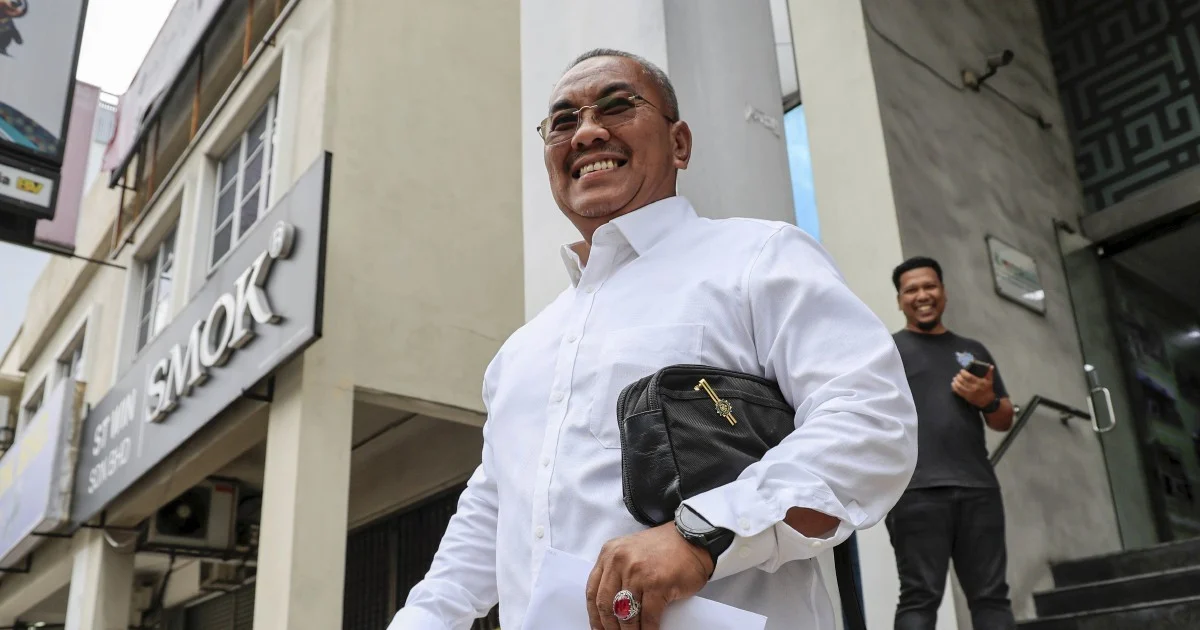
The Perikatan Nasional coalition has cleared a significant organisational hurdle ahead of the Johor state election, with its election director Datuk Seri Sanusi Md Nor announcing today that seat allocation negotiations among component parties have been successfully concluded. The resolution of 34 overlapping seats represents a major achievement in harmonising the competing interests within the opposition bloc, which comprises several political parties with distinct regional strengths and electoral ambitions.
Seat negotiations in multi-party coalitions often prove contentious, as different parties seek to maximise their representation and leverage electoral cycles to strengthen their grassroots presence. The Perikatan Nasional, which includes PAS, Bersatu, and other smaller parties, has had to balance these dynamics while maintaining coalition cohesion ahead of the Johor contest. The successful resolution of all disputed allocations suggests that party leadership managed to broker compromises that satisfied constituent members, though the specific terms of these agreements remain subject to party announcements.
The timing of this conclusion is strategically important for PN's campaign preparations. Lengthy negotiations over seat allocations can create uncertainty among party workers and potential candidates, delaying campaign mobilisation efforts and complicating ground-level organising. By resolving these matters now, PN provides clarity to its machinery about which party will field candidates in specific constituencies, enabling focused campaign work and volunteer recruitment in the weeks ahead.
Johor remains a politically significant state for both the ruling coalition and opposition groups. As the second-most populous state after Selangor and an economic powerhouse with strong trade ties to Singapore, Johor elections carry implications beyond state-level politics. Electoral performance here can shape broader perceptions of coalition strength heading into future general elections. For PN, demonstrating internal unity and effective seat-sharing arrangements sends a message of organisational maturity to potential supporters.
The settlement of 34 overlapping seats indicates the scale of initial disagreements between PN parties over constituency allocation. Such overlaps typically arise when multiple parties believe they can win in particular constituencies, or when parties seek to protect sitting members or strengthen presence in traditional strongholds. The resolution process usually involves negotiations between senior party leaders, consultation with local party structures, and sometimes mediation by coalition leadership to ensure fairness and strategic logic in final allocations.
PAS, as the largest component of PN by membership, likely received substantial seat allocations reflecting its organisational reach, particularly in rural constituencies. Bersatu, meanwhile, has concentrated support in specific regions and may have negotiated for protection of constituencies where it remains competitive. Smaller PN members would have sought sufficient allocations to maintain relevance and motivate their supporters, even if they were unable to win broader numbers.
From a Malaysian electoral perspective, PN's successful navigation of this internal process contrasts with challenges other coalitions have faced. Previous elections have witnessed protracted disputes over seat allocations that weakened coalition messaging and created opportunities for rival groups to drive wedges between partners. That Sanusi could announce resolution suggests PN's dispute resolution mechanisms functioned effectively, though this also reflects the incentive structures faced by all coalition members—remaining united in opposition typically benefits all parties more than defecting or allowing coalition breakdown.
The resolution also matters for Malaysian democracy and electoral competition more broadly. A functional multi-party opposition coalition provides voters with a genuine choice and holds the government accountable. When coalitions fracture over internal disputes, voter choice diminishes and governing parties face weaker scrutiny. The Perikatan Nasional's ability to maintain cohesion through difficult negotiations demonstrates that opposition politics in Malaysia can function constructively, even when immediate electoral stakes are high.
Looking ahead, Johor's state election will serve as a testing ground for PN's campaign effectiveness and voter appeal. The coalition will hope that its unified approach to seat allocation translates into effective ground campaigns and potentially gains against incumbent ruling coalition parties. Simultaneously, the resolution of seat disputes removes internal distractions that could undermine campaign momentum during crucial weeks before polling day.
Datuk Seri Sanusi's announcement provides the clarity necessary for PN's campaign machinery to operate at full capacity. Party officials can now finalise candidate announcements, mobilise volunteers in specific constituencies, and craft localised campaign messaging tailored to each seat's demographics and electoral history. The completion of these internal negotiations marks the transition from organisational preparation to active campaign mode.
For Malaysian voters in Johor, this resolution suggests PN intends to mount a serious competitive challenge to the ruling coalition. Clear seat allocations and unified campaign strategies historically correlate with stronger electoral performance than fractious coalitions hampered by internal disagreements. Whether PN's organisational unity translates into electoral gains will depend on campaign execution, message resonance with voters, and broader political dynamics in the months ahead.

