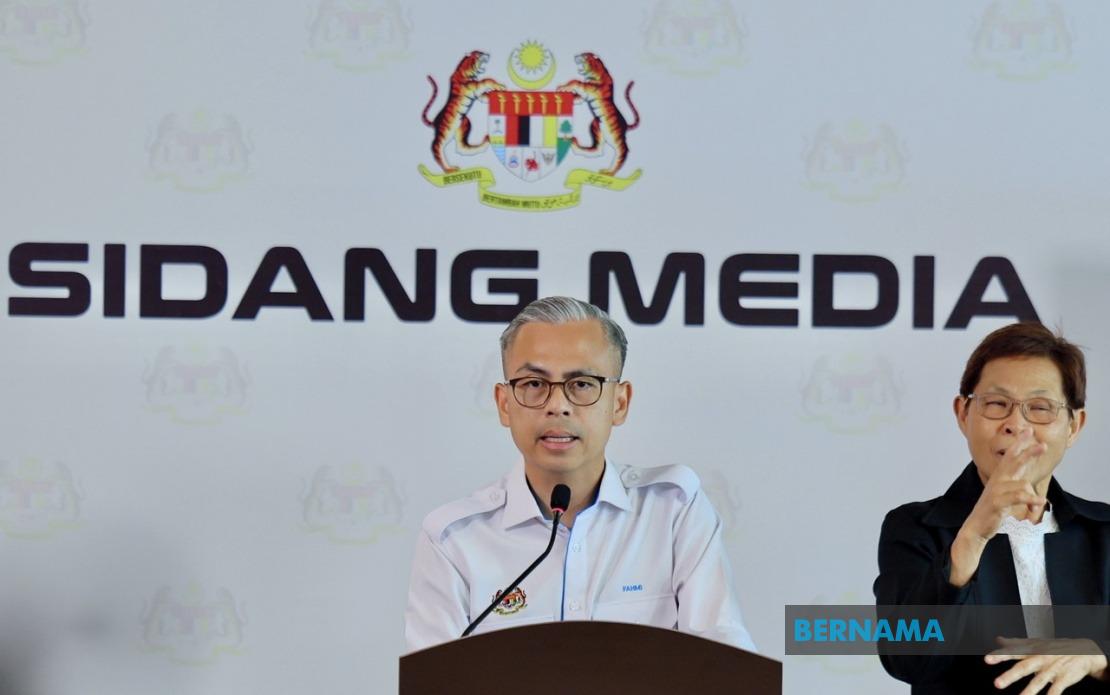
Prime Minister Datuk Seri Anwar Ibrahim's recent diplomatic missions to Kazan and Ashgabat have delivered tangible outcomes expected to reinforce Malaysia's long-term energy security architecture and generate substantial economic returns for the nation. Government Communications Minister Datuk Fahmi Fadzil underscored the significance of these achievements at a press briefing, framing them as cornerstones of the MADANI administration's development strategy.
The visit to Kazan, where the Prime Minister attended the 35th ASEAN-Russia Commemorative Summit, represents a watershed moment in Malaysia's relationship with Russia's energy sector. Under a freshly negotiated long-term agreement, Russia has committed to supplying crude oil, natural gas, and diesel to Malaysia on a sustained basis. This arrangement addresses persistent vulnerabilities in Malaysia's energy portfolio and reflects a diversification away from traditional suppliers, reducing exposure to geopolitical disruptions in the Middle East and Southeast Asian logistics corridors. The Kazan visit was undertaken in the company of Investment, Trade and Industry Minister Datuk Seri Johari Abdul Ghani and Economy Minister Akmal Nasrullah Mohd Nasir, signalling whole-of-government coordination on the initiative.
Simultaneously, bilateral discussions in Kazan established broader cooperation frameworks encompassing energy security, commerce, foreign direct investment, tourism promotion, and technological collaboration. These pillars extend beyond immediate energy concerns, positioning Malaysia as an attractive partner for Russian enterprises seeking diversified engagement across multiple sectors. For Malaysian industries ranging from hospitality to technology services, the expanded diplomatic relationship creates new commercial opportunities and potential markets.
The Ashgabat leg of the tour produced equally consequential results. PETRONAS, operating through its wholly owned subsidiary Petronas Carigali (Turkmenistan) Sdn Bhd, has secured developmental rights to two substantial gas blocks in Turkmenistan. This acquisition significantly reinforces PETRONAS's position within the global gas industry and taps into hydrocarbon reserves that could sustain production decades into the future. The company's three-decade presence in Turkmenistan provided the foundation for these negotiations, demonstrating how institutional relationships and long-term commitment yield diplomatic dividends.
Central to the Ashgabat achievement was the formalisation of a Framework Agreement on Long-Term Cooperation for the Development of Hydrocarbon Resources between Malaysia's government and Turkmenistan's government. This structured accord establishes the governance mechanism through which both nations will collaborate on resource extraction and commercialisation. The agreement explicitly encompasses opportunities within the Galkynysh field, one of Turkmenistan's most productive hydrocarbon zones, as well as downstream activities including petroleum refining, liquefied natural gas processing, and the manufacture of gas-derived chemicals.
Downstream development holds particular significance for Malaysia's economic trajectory. Rather than exporting raw hydrocarbons, the framework enables Malaysian entities to participate in higher-value-added activities such as refining crude into refined products and converting natural gas into chemical feedstocks. These downstream sectors generate superior profit margins and employ larger workforces than commodity extraction alone. The chemicals segment, especially, offers platforms for industrial clustering and technology transfer that can modernise Malaysia's manufacturing base.
Minister Fahmi highlighted the direct linkages between these energy agreements and immediate government economic measures. The successful negotiation of long-term crude and diesel supplies contributed to the government's announcement, made on June 21, reducing diesel prices at the pump. This price reduction improves logistics costs across the economy, benefits transportation operators and consumers, and eases inflationary pressure in food and goods distribution. By securing downstream supply commitments, the administration demonstrated capacity to translate diplomatic achievements into tangible relief for households and businesses.
The financial dimensions of these arrangements extend beyond operational savings. PETRONAS's earnings from the newly secured gas blocks will generate dividend streams flowing to the federal treasury. These revenues support the fiscal base available for infrastructure development, healthcare, education, and social programmes. Over the multi-decade lifespan of hydrocarbon production, cumulative returns could amount to billions of ringgit. Minister Fahmi explicitly framed these benefits as accruing to Malaysians collectively, emphasising that national development priorities will absorb revenues derived from Turkmen gas extraction.
From a regional perspective, Malaysia's energy diplomacy with Russia and Turkmenistan reflects broader trends reshaping Asian geopolitics. Traditional energy suppliers face increasing competition from diversified sourcing strategies. Southeast Asian nations, cognisant of energy security imperatives, are establishing alternative supply relationships with Central Asian and Eurasian producers. Malaysia's initiatives align with this pattern, reducing reliance on any single supplier and providing negotiating leverage in energy markets. For neighbouring countries similarly exposed to supply uncertainties, Malaysia's bilateral successes provide a template for productive energy diplomacy.
The energy sector initiatives also embody MADANI's stated commitment to pragmatic international engagement. Rather than ideological posturing, the government prioritises tangible economic outcomes benefiting Malaysian citizens. The Russia and Turkmenistan visits exemplify this approach, yielding concrete commercial agreements rather than symbolic declarations. This orientation resonates with Malaysia's business community and resonates with voters evaluating government performance through lived economic conditions.
Turkmenistan's significance as a natural gas exporter deserves contextualisation. The nation holds some of the world's largest proved gas reserves and operates as a major supplier to Asian markets through pipeline networks and liquefied gas infrastructure. Positioning PETRONAS as a participant in Turkmen development affords Malaysian companies stakes within supply chains serving Asia-Pacific markets. As global energy transitions accelerate and natural gas retains central roles in power generation and industrial processes, reserves such as those in Turkmenistan will command premium valuations.
The diplomatic sequencing also merits observation. By securing Russian supply commitments simultaneously with Turkmen development rights, Malaysia has constructed a comprehensive energy strategy spanning production participation and raw material acquisition. This two-pronged approach reduces vulnerability to disruption at either end of the supply chain. Should production difficulties emerge at one source, alternative supplies provide continuity. The interdependence created through these multiple agreements strengthens Malaysia's negotiating position and economic resilience.
Looking ahead, the sustainability of these achievements depends on maintaining productive diplomatic channels and ensuring operational success within both countries' regulatory environments. Executing gas field development in Turkmenistan requires navigating local governance structures and managing operational risks inherent in upstream activities. Simultaneously, establishing reliable Russian energy supply chains demands sustained engagement across multiple policy areas. These undertakings extend beyond signature ceremonies, requiring ongoing institutional commitment and problem-solving capacity.

