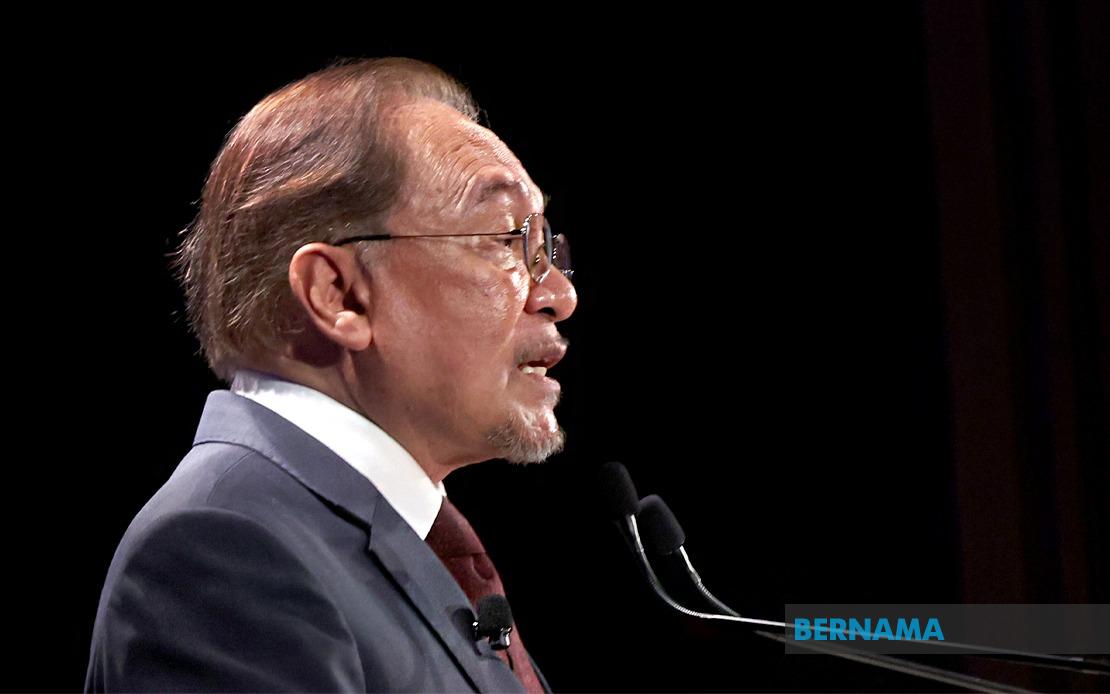
Prime Minister Datuk Seri Anwar Ibrahim is set for a packed schedule on the final day of his official visit to Turkmenistan, with a comprehensive programme of high-level diplomatic and economic engagements across Ashgabat, the Central Asian nation's gleaming capital. The visit underscores Malaysia's strategic interest in deepening its relationship with the resource-rich nation situated along the Caspian Sea's eastern coast, a region of growing importance to Southeast Asian economies seeking diversified partnerships beyond traditional markets.
The day will commence with a formal welcoming ceremony at the Presidential Palace hosted by President Serdar Berdimuhamedov, followed by a one-on-one meeting between the two leaders. This initial engagement provides the foundation for wider bilateral discussions that will address the full spectrum of Malaysia-Turkmenistan cooperation. The ceremonial aspects of such visits often signal the political importance both capitals place on their relationship, with the careful choreography of state protocol reflecting deeper economic and strategic interests.
Following the bilateral meeting, Anwar and Berdimuhamedov will oversee the signing of a joint statement alongside the exchange of multiple agreements and memoranda of understanding negotiated by both governments. These documents represent the concrete outcomes of Malaysia's diplomatic efforts to expand its footprint in Central Asia, a region where Southeast Asian presence remains limited compared to other international actors. The signing of such instruments carries particular weight given Malaysia's historical focus on establishing partnerships with Muslim-majority nations and emerging economies.
The substantive discussions are expected to traverse multiple sectors critical to both nations' development trajectories. Trade and investment frameworks will occupy prominent positions, reflecting Malaysia's desire to secure new commercial opportunities beyond saturated regional markets. Discussions on oil and gas cooperation hold particular significance, given Petronas's substantial operational presence in Turkmenistan and the strategic importance of energy security to Malaysia's industrial and economic growth. Additionally, agriculture and commodities, tourism, education, digital technology, and scientific research feature prominently in the planned conversations, indicating a comprehensive approach to bilateral engagement rather than narrow sectoral focus.
The leaders will also exchange perspectives on broader regional and international developments of mutual concern, particularly matters affecting the Association of Southeast Asian Nations and Central Asia. These discussions enable both nations to align their positions on issues transcending bilateral relations, such as connectivity initiatives, geopolitical developments, and international governance frameworks. For Malaysia, such dialogue provides opportunities to articulate Southeast Asian perspectives to an influential Central Asian player and to understand regional dynamics that could affect trade routes and energy supplies.
Among the key documents expected to be exchanged is an Air Services Agreement, which would facilitate enhanced aviation connectivity between Malaysia and Turkmenistan and streamline transport logistics for business travel and commerce. This agreement carries immediate practical value for Malaysian companies seeking to expand operations in Central Asia and for Turkmen entities interested in the Southeast Asian market. The exchange of an MoU between Malaysia's and Turkmenistan's foreign affairs institutes signals a commitment to sustained institutional dialogue and knowledge-sharing on diplomatic matters, building long-term relationship infrastructure beyond individual administrations.
Several other significant memoranda will be witnessed during the ceremony, including agreements involving the Ministry of Transport and Turkmenistan's State Service, and a collaborative framework between the Academy of Sciences Malaysia and the Academy of Sciences of Turkmenistan. These institutional partnerships create mechanisms for ongoing scientific and technological cooperation, positioning both nations to benefit from knowledge transfer and collaborative research initiatives. The documents in the oil and gas sector specifically address the commercial and technical dimensions of energy cooperation, reinforcing Petronas's role as a bridge between Malaysian and Turkmen interests in this crucial domain.
Ashgabat, globally recognized as the 'White Marble City' for its distinctive architectural character and holding the Guinness World Record for the highest concentration of white marble-clad buildings with over five hundred such structures, provides a symbolic backdrop for these discussions. The city's monumental architecture, extensive gold-leaf embellishments, and sweeping tree-lined avenues reflect Turkmenistan's aspirations and development priorities. The capital's architectural grandeur also underscores the nation's petroleum wealth and its capacity for large-scale infrastructure development, relevant context for understanding Turkmenistan's regional economic standing.
Turkmenistan's geopolitical position as a resource-rich nation bordered by Kazakhstan and Uzbekistan to the north, Afghanistan to the southeast, Iran to the south and southwest, and the Caspian Sea to the west, shapes its economic and strategic imperatives. The Caspian Sea itself, the world's largest inland body of water and an endorheic basin with no natural outlets, holds significant hydrocarbon reserves and connects Turkmenistan to multiple economic zones. Understanding this geography is essential for appreciating why Malaysia's engagement with Turkmenistan carries weight for regional economic integration and energy security.
Malaysia's economic relationship with Turkmenistan demonstrates substantial depth, with Turkmenistan serving as Malaysia's fourth largest trading partner among Central Asian nations in 2025. Total bilateral trade reached RM75.80 million, with Malaysian exports comprising RM75.50 million, representing a nine percent increase year-on-year. This upward trajectory reflects growing commercial momentum and successful market penetration by Malaysian companies. The export-heavy trade balance indicates that Malaysian goods and services are finding receptive markets in Turkmenistan, though the relationship also creates opportunities for more balanced two-way commerce.
Petronas's involvement in Turkmenistan constitutes Malaysia's most substantial long-term economic commitment to the nation. The national oil company's cumulative investments since 1996 have reached RM52.73 billion, establishing it as a major foreign investor with deep operational roots in Turkmenistan's energy sector. This extensive financial commitment underscores the centrality of oil and gas cooperation to bilateral relations and explains why discussions on energy matters will feature prominently during Anwar's visit. Petronas's presence also creates ongoing requirements for diplomatic engagement to ensure stable business conditions and favorable regulatory environments.
Prime Minister Anwar will undertake these engagements accompanied by Minister of Investment, Trade and Industry Datuk Seri Johari Abdul Ghani and Minister of Economy Akmal Nasrullah Mohd Nasir, alongside senior officials from the Prime Minister's Office and Foreign Ministry. The composition of this delegation reflects the economic emphasis of the visit, with ministerial-level representation in investment and trade matters ensuring that discussions can address both policy frameworks and practical commercial considerations. The presence of foreign ministry officials ensures proper diplomatic coordination and follow-up on bilateral agreements.
Following the bilateral formalities, Anwar will attend a luncheon at the Presidential Palace, providing an informal setting for continued dialogue with Berdimuhamedov. The subsequent observance of Friday prayers at the Turkmenbashi Ruhy Mosque represents both a personal religious practice and a symbolic gesture acknowledging the shared Islamic heritage between Malaysia and Turkmenistan, reinforcing the cultural dimension of bilateral relations. The joint officiating of the Malaysia-Turkmenistan Forum with Berdimuhamedov at the Chamber of Commerce and Industry will bring together business communities from both nations, translating government-level commitments into concrete commercial opportunities and partnerships.

