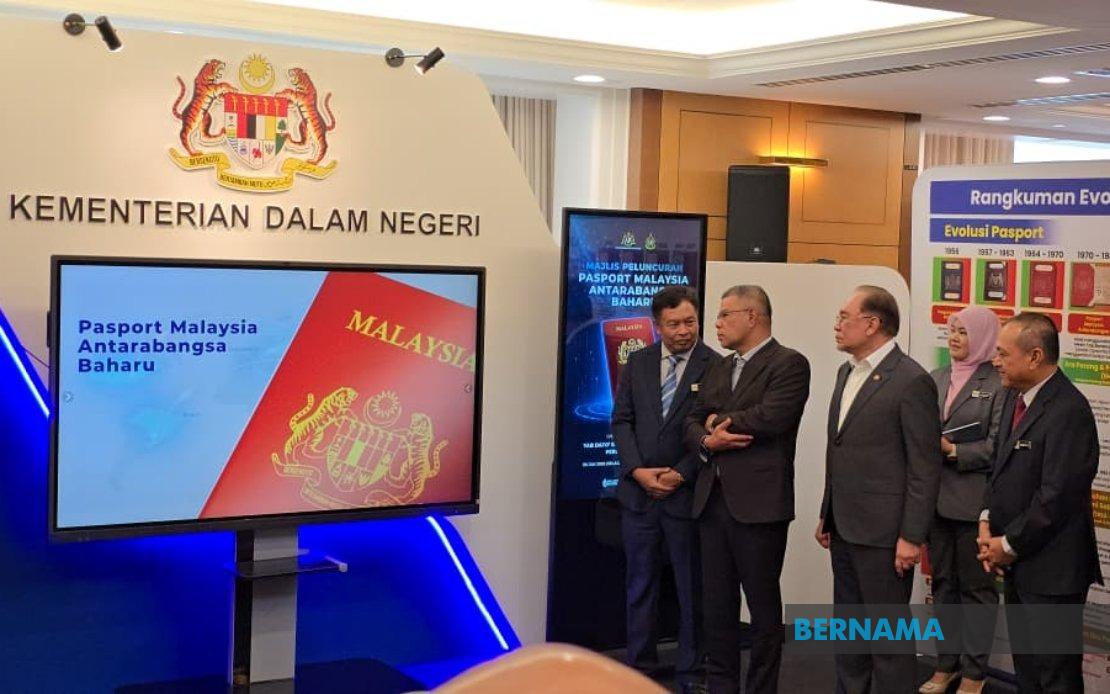
Prime Minister Datuk Seri Anwar Ibrahim has introduced a substantially upgraded International Malaysian Passport, marking a major enhancement to one of the world's most respected travel documents. The launch ceremony took place at the Parliament Lobby on June 30, where Immigration Director-General Datuk Zakaria Shaaban formally presented the new booklet to the Prime Minister in a ceremonial handover. The event underscored the government's commitment to modernising critical identity and travel infrastructure, with Home Minister Datuk Seri Saifuddin Nasution Ismail and the Prime Minister's wife, Datuk Seri Dr Wan Azizah Wan Ismail, attending the proceedings.
The new passport represents a comprehensive overhaul of Malaysia's primary international travel credential, incorporating 94 distinct security measures designed to combat fraud and counterfeiting while meeting evolving global standards. According to the Home Ministry, these enhancements signal a transformative shift in how the nation protects its travel documents against increasingly sophisticated threats. The redesign balances strengthened security architecture with improved user experience, delivering both protection and practicality for Malaysian travellers worldwide. This upgrade positions Malaysia at the forefront of passport technology adoption within Southeast Asia and reflects the Home Ministry's broader digital security modernisation agenda announced earlier in 2024.
Starting July 1, 2024, Malaysian citizens aged eighteen and above can apply for the new passport through a phased rollout spanning 71 passport offices across the country. The gradual implementation strategy allows immigration authorities to manage demand effectively while training staff on updated procedures and systems. This measured approach reduces operational strain while ensuring consistent service delivery from urban centres to more remote locations. The Home Ministry has specifically advised existing passport holders not to rush replacements unless their current documents are approaching expiry, thereby managing administrative workload and preventing unnecessary expenditure during the transition period.
A significant innovation in the new design is the introduction of an optional ten-year validity period alongside the traditional five-year option. This longer duration addresses a persistent pain point for frequent travellers and professionals requiring extended travel flexibility. The ten-year passport carries a fee of RM350, compared to RM200 for the five-year version, resulting in RM50 savings when annualised—a financial incentive designed to encourage adoption of the longer validity period. The Home Ministry emphasises that reduced renewal frequency will lower overall lifetime costs for citizens while streamlining both domestic coordination with border agencies and international travel arrangements.
For Malaysian travellers, the extended validity option carries particular strategic advantages. Frequent business travellers, academics conducting research abroad, and families with irregular travel patterns benefit from fewer administrative interruptions and reduced processing costs over the document's lifespan. International business users will appreciate the certainty of maintaining valid documentation across longer project cycles, while leisure travellers gain the convenience of less frequent office visits and online application submissions. The ten-year option aligns with international best practices, as many developed nations now routinely issue passports valid for a decade or longer.
Malaysia's existing passport already commands substantial global recognition, currently ranking third in the 2025 Passport Index—a metric measuring visa-free or visa-on-arrival access to other nations. This elevated standing reflects the country's stable diplomatic relationships and reputation in international affairs. The newly enhanced security features will further strengthen this position by reducing fraud incidents and enhancing trust among international immigration authorities. Enhanced security credentials matter significantly in bilateral relations, as countries with robust document integrity protocols receive more favourable treatment in visa policy negotiations and international travel frameworks.
The timing of this passport upgrade carries strategic significance for regional connectivity. As Southeast Asia pursues deeper integration through initiatives like the ASEAN Community and bilateral travel agreements, having advanced identity documents becomes increasingly important for Malaysian nationals. The enhanced features facilitate smoother border processing, reduce document-related disputes, and support Malaysia's positioning as a regional hub for commerce, tourism, and professional services. Companies operating across borders will find the new passport's improved security recognition valuable when facilitating employee mobility throughout the region.
Implementing this comprehensive upgrade presents considerable logistical challenges that the Home Ministry appears well-prepared to address through its phased approach. Training immigration personnel on new security verification procedures, upgrading document-reading equipment at border checkpoints, and integrating updated systems with international databases requires sustained coordination across multiple agencies. The July 1 commencement date provides adequate preparation time, though success depends on effective communication with passport offices nationwide and contingency planning for technical challenges. International partners' rapid acceptance of the new security standards will also influence implementation smoothness.
For Malaysian citizens currently holding valid passports, the transition period offers flexibility rather than urgency. Existing documents remain fully usable until expiration, allowing individuals to schedule applications during convenient windows rather than facing sudden validity deadlines. This pragmatic approach acknowledges that not all citizens require immediate replacement while building gradual demand for new documents. However, those planning overseas travel beyond their current passport's remaining validity should monitor the rollout schedule and apply early to avoid potential processing delays during peak periods.
The broader context of this upgrade reflects the Home Ministry's commitment to digital security modernisation announced by Saifuddin Nasution earlier in 2024, which encompasses not only passports but also revised MyKads with enhanced data protection. This coordinated approach to national identity documents signals comprehensive thinking about Malaysia's security infrastructure rather than isolated updates to individual documents. Such integrated modernisation demonstrates strategic vision in protecting citizen data and travel credentials against emerging cyber threats and sophisticated counterfeiting techniques.
For Malaysian businesses and citizens engaged in international trade, investment, or professional services, the enhanced passport security creates tangible advantages. Faster immigration processing, reduced documentation-related disputes, and improved acceptance at international borders translate to time savings and reduced friction in cross-border transactions. The expanded ten-year validity option particularly benefits corporate travellers and academics, who can now maintain valid travel credentials across extended professional assignments without interruption. These practical improvements complement the security enhancements by delivering genuine value beyond document verification.
The successful implementation of this passport upgrade will likely set a template for other Southeast Asian nations considering similar modernisation. Malaysia's willingness to invest substantially in document security and user convenience demonstrates commitment to international standards while maintaining focus on citizen experience. As the rollout progresses through coming months, close monitoring of application volumes, processing times, and public reception will provide insights into the effectiveness of the phased approach and whether future identity document upgrades should follow comparable implementation models.

