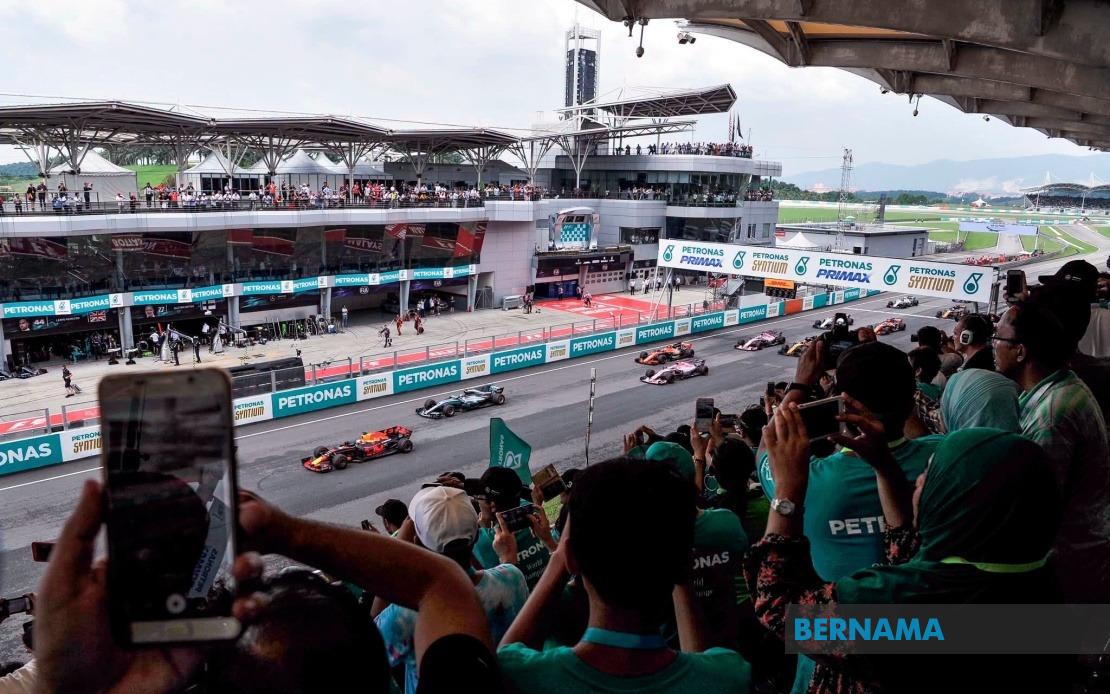
Prime Minister Datuk Seri Anwar Ibrahim has announced a subsidised ticketing programme exclusively for Malaysian citizens, making the forthcoming Formula 1 race at Sepang International Circuit significantly more accessible to domestic fans. The MADANI Tickets initiative, named after the government's transformation framework, will be offered at prices beginning from RM200 for MyKad holders, with each ticket providing entry throughout the entire three-day event. The programme represents a deliberate effort to broaden participation in major sporting events and ensure that cost does not become a barrier for ordinary Malaysians wishing to experience Formula 1 racing firsthand.
The government's decision to introduce the MADANI Tickets scheme followed weeks of consultation, culminating in a bilateral understanding reached with Bahrain authorities. This cooperative arrangement between the two nations underscores the diplomatic significance of hosting the prestigious motorsport event and reflects a shared commitment to making the race an accessible occasion for regional audiences. Anwar's announcement via Facebook highlights the government's willingness to invest in subsidising tickets as part of its broader vision to democratise access to world-class sporting experiences and reinvigorate Malaysia's profile in international motorsport.
The 2026 Bahrain Grand Prix will take place at Sepang International Circuit from October 2 to 4, marking a significant milestone in Malaysia's relationship with Formula 1. Originally scheduled to be held at the Bahrain International Circuit in April, the race was postponed to October due to geopolitical tensions affecting the West Asian region. The relocation to Sepang, situated approximately 50 kilometres south of Kuala Lumpur, transforms the event into a shared celebration between Malaysia and Bahrain, with Malaysian authorities assuming hosting responsibilities whilst maintaining the Bahrain branding of the Grand Prix.
Sepang International Circuit carries considerable historical weight in Malaysian motorsport, having hosted the Malaysian Grand Prix annually from 1999 to 2017. During that 18-year period, the circuit established itself as a premier venue on the Formula 1 calendar, attracting global audiences and generating significant economic activity through tourism and hospitality sectors. The circuit's removal from the F1 schedule in 2018 was attributed to escalating operational costs and licensing fees, factors that rendered the hosting arrangement financially unviable under previous circumstances. The return of Formula 1 racing to Sepang through the Bahrain Grand Prix therefore carries symbolic importance, representing a renewed opportunity to reclaim Malaysia's place in international motorsport after an eight-year absence.
The pricing structure of the MADANI Tickets programme demonstrates a strategic approach to ticket accessibility. Entry prices commencing at RM200 represent a substantial reduction compared to typical Formula 1 ticket pricing globally, where general admission seats frequently cost substantially more. By pitching the base price at this level, the government has positioned the event as accessible to middle and lower-middle income Malaysian households, whilst simultaneously generating adequate revenue to sustain the programme. This tiered approach suggests that premium seating options will likely be available at higher prices, allowing the venue to capture additional revenue from those willing to pay for superior vantage points whilst maintaining affordability for budget-conscious fans.
The Malaysian government's emphasis on providing three-day event access through a single MADANI Ticket represents exceptional value, particularly for those seeking comprehensive exposure to all qualifying sessions, practice rounds, and the main race itself. Formula 1 weekends traditionally span three days, with various competitive sessions offering distinct perspectives on driver and team performance. Three-day accessibility enables enthusiasts to experience the full narrative arc of the Grand Prix weekend, from initial qualifying performances through to the dramatic race conclusion, thereby maximising the entertainment and educational value of their attendance.
Further operational details regarding the MADANI Tickets programme will be announced by Sepang International Circuit in the coming weeks. The circuit's management will determine crucial logistics including ticket distribution mechanisms, application procedures for MyKad holders, seat allocation strategies, and any capacity constraints. Such organisational matters require careful coordination between the circuit, government agencies, and potentially ticketing partners to ensure equitable distribution and prevent speculative resale in secondary markets. The involvement of SIC in rolling out specific details suggests that the venue operator has been entrusted with managing execution whilst adhering to the government's pricing and accessibility parameters.
From a broader Malaysian economic perspective, the return of Formula 1 to Sepang carries implications extending well beyond the sporting event itself. Major international sporting events generate substantial spending within host economies through accommodation, dining, transportation, and merchandise purchases. Visitors travelling to Sepang for the Grand Prix weekend will contribute to hotel occupancy rates, restaurant revenues, and retail activity across the Klang Valley region. The accessibility created through the MADANI Tickets programme should theoretically encourage higher domestic participation, bringing secondary economic benefits through related spending by local attendees who might otherwise forego the event due to ticket cost constraints.
The geopolitical dimension underlying the race relocation warrants careful consideration within the Malaysian context. By accepting the Bahrain Grand Prix and hosting it at Sepang, Malaysia demonstrates diplomatic pragmatism and regional solidarity whilst simultaneously reclaiming Formula 1 racing prominence. This arrangement positions Malaysia as a reliable motorsport partner capable of managing international sporting events whilst respecting bilateral relationships and regional sensitivities. For Southeast Asian readers, the development signals Malaysia's capacity to host major global events and its willingness to subsidise domestic participation in such occasions as part of broader developmental and cultural objectives.
The rollout of the MADANI Tickets programme also reflects a philosophical shift in how Malaysian authorities approach access to premium experiences. Rather than treating Formula 1 as an exclusive event limited to wealthy tourists and corporate hospitality clients, the government has chosen to leverage its purchasing power and diplomatic relationships to enhance domestic accessibility. This mirrors similar subsidisation strategies employed for other cultural and sporting initiatives, suggesting a systematic commitment to ensuring that major events contribute broadly to national cultural engagement rather than remaining restricted to privileged segments of society.
Sepang International Circuit's hosting responsibilities will require substantial operational preparation over the coming months. Venue upgrades, safety infrastructure modifications to align with current Formula 1 standards, and logistical arrangements for international teams and media must be coordinated meticulously. The circuit's capacity to accommodate both MADANI Ticket holders and premium seating will require careful venue management to maintain safety standards and spectator experience quality. These operational considerations remain largely behind-the-scenes but prove critical to delivering a successful event that justifies the government's investment and commitment.
Looking forward, the successful execution of the 2026 Bahrain Grand Prix at Sepang could establish a precedent for future Formula 1 events in Malaysia, particularly if the event generates substantial domestic engagement and positive public reception. Strong attendance from MADANI Ticket holders would demonstrate compelling demand for Formula 1 racing in the Malaysian market, potentially encouraging future negotiations with Formula 1 authorities regarding a dedicated Malaysian Grand Prix. This return to Sepang thus represents not merely a singular sporting occasion but potentially a foundational step toward Malaysia's longer-term reassertion within the Formula 1 calendar.

