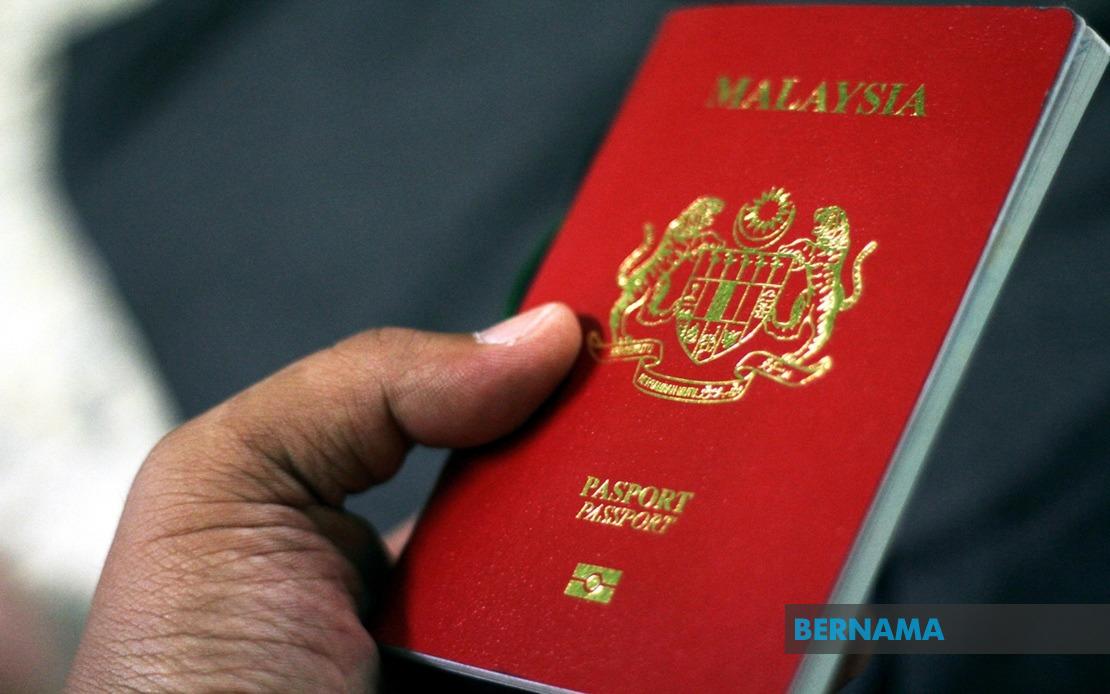
Prime Minister Datuk Seri Anwar Ibrahim is set to introduce Malaysia's most secure passport yet at a parliamentary ceremony on Tuesday, marking a significant milestone in the country's effort to protect its identity documents against increasingly sophisticated counterfeiting techniques. The new Malaysian International Passport will incorporate 94 distinct security mechanisms, nearly twice the number featured in the existing version, reflecting the government's commitment to maintaining the integrity of travel documentation in an era of rising document fraud.
The enhancement of passport security represents a strategic response to evolving threats faced by nations worldwide. As counterfeiters employ more advanced technologies and techniques, governments must continuously upgrade their identity documents to stay ahead of criminal activity. Malaysia's decision to substantially increase security features demonstrates recognition of this ongoing challenge and willingness to invest in cutting-edge protective measures that will make the document significantly harder to replicate.
Among the technological innovations incorporated into the redesigned passport are sophisticated holographic elements that shift appearance when viewed from different angles, making them extremely difficult to reproduce without specialized equipment. The inclusion of ultraviolet printing adds another layer of verification, as security personnel and border officials can quickly authenticate documents using standard UV light sources available at immigration checkpoints worldwide. These visual security elements serve both as deterrents to potential forgers and practical tools for frontline verification personnel.
Beyond visible security features, the new passport incorporates hidden visual elements designed to be detectable only through specific authentication methods known to immigration and security officials. Additionally, specialized forensic security features have been integrated throughout the document, enabling forensic experts to definitively establish authenticity in cases where document fraud is suspected. These invisible protections provide multiple verification layers that criminals would need to circumvent simultaneously, substantially raising the barriers to successful forgery.
The structural improvements to the passport extend to previously overlooked components that nonetheless proved vulnerable in earlier versions. The binding thread securing the passport booklet has been enhanced with integrated security elements, preventing simple replacement or tampering with internal pages. Simultaneously, designers have established unique layouts for each individual page, eliminating the possibility of counterfeiting an entire passport through photocopying individual pages or sections from legitimate documents.
Home Minister Datuk Seri Saifuddin Nasution Ismail had previously signaled this upgrade pathway when announcing earlier this year that Malaysia would undertake comprehensive redesigns of both passports and MyKad identification cards. This coordinated approach to strengthening document security acknowledges that forgers often target multiple identity documents simultaneously, and comprehensive upgrades across the national document suite create a unified and more resilient system.
Malaysia's position within the global ranking system provides context for this investment. The Malaysian International Passport currently holds third place in the Passport Index rankings for 2025, reflecting its significant utility for international travel and the strength of diplomatic agreements Malaysia has negotiated globally. Maintaining and enhancing this status requires continuous investment in document security and quality assurance, as other nations similarly upgrade their own systems.
From a regional perspective, Malaysia's advancement in passport security aligns with Southeast Asian trends toward modernization of identity systems. As economic integration deepens across the Association of Southeast Asian Nations and cross-border movement increases, the security and reliability of travel documents becomes increasingly important for both individual mobility and regional stability. Enhanced Malaysian passports reduce risks of document-related fraud affecting not only Malaysian citizens but international partners who rely on the integrity of Malaysian-issued documents.
The practical implications for Malaysian citizens extend beyond enhanced travel security. A more robust passport design reduces the likelihood of individuals experiencing complications at international borders due to document fraud, providing travelers with greater confidence in their identification credentials. Business professionals, academics, and frequent travelers benefit particularly from improved document security, as legitimate travelers often face additional scrutiny when traveling on documents that appear questionable to border officials in various countries.
The parliamentary launch venue selected by the Prime Minister's office carries symbolic significance, emphasizing that this security enhancement represents a government-wide priority rather than a routine administrative update. The parliamentary lobby setting situates the announcement within the legislative sphere, underscoring the importance the administration attaches to national identity security and document integrity as matters of state concern.
Implementation logistics for the new passports remain to be detailed, though introduction of upgraded documents typically involves transitional periods during which both old and new versions remain in circulation. The Passport Index ranking and global standing of Malaysian travel documents suggest that immigration authorities worldwide will be attentive to the upgrade, as enhanced security features benefit international verification systems and contribute to global efforts against document fraud networks.
Looking forward, the simultaneous redesign of MyKad identification cards indicates the government's broader vision for modernizing Malaysia's entire document security infrastructure. This comprehensive approach reflects understanding that national security and document integrity are interconnected concerns requiring sustained attention and investment. As international standards for document security evolve, Malaysia's proactive enhancement of passport design positions the country favorably within global frameworks for identity document cooperation and mutual recognition.

