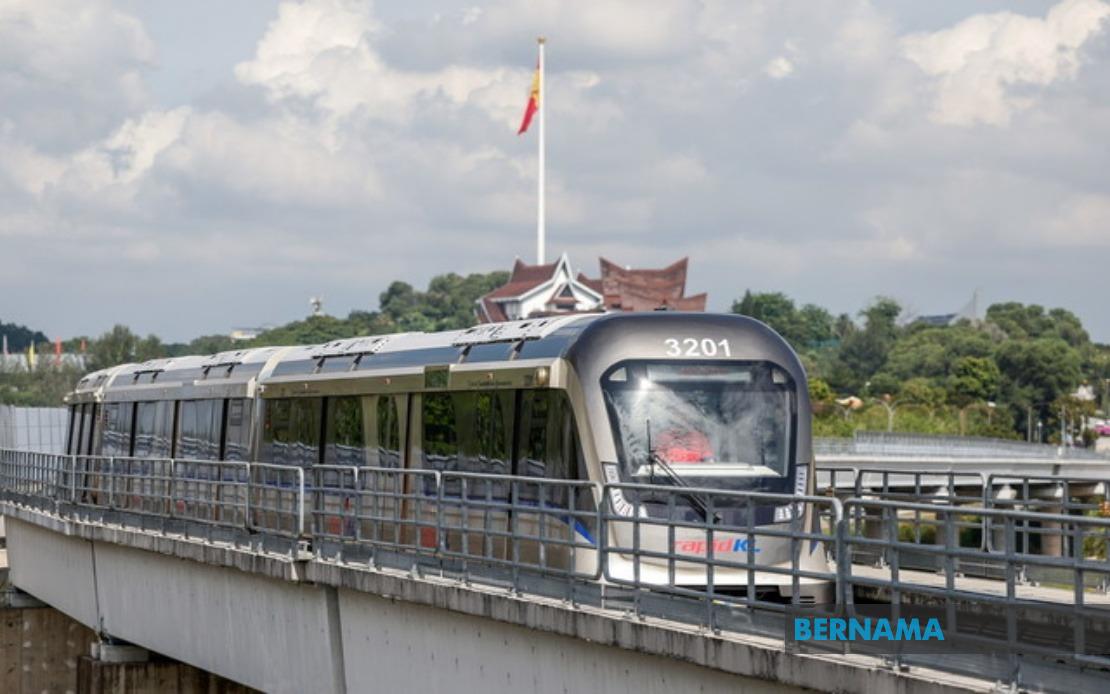
The Light Rail Transit 3 (LRT3) Shah Alam Line marks a significant milestone in Malaysia's public transportation infrastructure, with the 37.8-kilometre network now fully operational and ready to welcome commuters. Stretching from Bandar Utama to Johan Setia, the new route represents an investment in regional connectivity that authorities expect will reshape travel patterns across the Klang Valley's western corridor. Prime Minister Datuk Seri Anwar Ibrahim will preside over the official inauguration ceremony on June 28, with the announcement of commercial operations timing expected to follow.
According to Shah Alam line chief Mohd Ariffin Idris, the project completion represents the culmination of a major expansion effort within Malaysia's light rail ecosystem. The launch ceremony will reveal crucial details regarding when passengers can begin using the service, potentially accelerating the anticipated benefits for the densely populated communities along the corridor. With approximately two million residents within the service area, the line's opening carries substantial implications for daily commuting patterns and economic activity across multiple municipalities.
The network encompasses an ambitious station architecture, with ten stations within Shah Alam itself—including Bandar Utama, Kayu Ara, BU 11, Damansara Idaman, Subang, Glenmarie 2, Kerjaya, Stadium Shah Alam, Dato' Menteri, and UiTM Shah Alam—alongside ten additional stations extending through Bandar Baru Klang, Pasar Klang, Jalan Meru, Jambatan Kota, Taman Selatan, Seri Andalas, Klang Jaya, Bandar Bukit Tinggi, and Johan Setia. This comprehensive distribution ensures accessibility across diverse communities and commercial zones, though the practical success of the line will depend substantially on how effectively the station network integrates with surrounding land use patterns and residential density.
Intermodal connectivity forms a cornerstone of the Shah Alam Line's operational design. Passengers will benefit from seamless transfers at Bandar Utama, where connections to the Kajang Line provide deeper penetration into the Kuala Lumpur metropolitan area, whilst Glenmarie 2 offers interchange opportunities with the Kelana Jaya Line. These linkages are crucial for creating a genuinely network-wide public transport system that simplifies journeys across multiple rail corridors and extends the commercial utility of the investment beyond individual line users.
To address the critical last-mile connectivity challenge, Prasarana has deployed a comprehensive feeder network comprising forty buses operating across thirteen separate routes with 323 designated stops throughout the service area. The RM1 flat fare for these buses, available from 6 am to 11:30 pm daily, represents an intentional pricing strategy to encourage multimodal journeys and maximise overall transit system usage. Additionally, Rapid On-Demand van services supplement this network, deploying forty-four vehicles across twenty zones at RM2 per trip, offering flexible routing options that traditional fixed-route services cannot accommodate. Both systems will undergo continuous refinement following commercial launch as operational data and passenger behaviour patterns become clearer.
For commuters choosing personal vehicles, the network integrates six stations with parking facilities totalling 2,300 bays across Kayu Ara, Damansara Idaman, Pasar Besar Klang, Sri Andalas, Bandar Bukit Tinggi, and Johan Setia. This park-and-ride infrastructure reflects industry recognition that mixed-mode commuting remains the reality for many Malaysian workers, particularly those commencing journeys from suburban or satellite residential areas with limited preceding public transport access. The distribution of parking across the corridor suggests operational planners expect demand concentration at specific nodes rather than even distribution throughout the network.
Operational projections reveal cautious optimism regarding adoption rates, with Prasarana targeting sixty-seven thousand daily passengers during the first operating year, escalating to approximately 117,708 daily passengers within five years. These forecasts suggest expectations that network effects and familiarity will drive substantial growth as residents transition from personal vehicle dependency to rail-based commuting. However, achieving such projections will require sustained marketing efforts, reliable service delivery, and genuine time savings compared to competing transportation modes—a particular challenge given the Klang Valley's already-congested road networks and the ingrained automotive culture among middle-income commuters.
Sustainability considerations have been embedded throughout the Shah Alam Line's design and operation. The procurement of light rail vehicles equipped with inverter-based air conditioning systems reflects efficiency standards now common in advanced transit networks, whilst intelligent cooling systems integrated throughout stations reduce overall energy consumption. Station architecture has prioritised natural ventilation and daylight utilisation, reducing operational demand for mechanical climate control. These environmental commitments, whilst individually modest, accumulate across 20 stations and daily operations spanning sixteen hours, producing measurable reductions in the system's carbon footprint compared to conventional alternatives.
Accessibility provisions demonstrate institutional commitment to inclusive urban mobility. Every station incorporates wheelchair ramps and disability-compliant toilet facilities, whilst each carriage reserves designated seating for persons with disabilities. These features, increasingly standard in contemporary transit systems, reflect Malaysia's obligations under disability rights frameworks and acknowledge that public transport accessibility directly influences labour force participation and social inclusion for citizens with mobility challenges. Implementation quality will ultimately determine whether these provisions function as genuine accessibility or merely symbolic compliance.
Future expansion plans signal continued system development, with Prasarana confirming that reconstruction work on the Tropicana, Raja Muda, Temasya, Bukit Raja, and Bandar Botanik stations will commence by year-end. These stations, presumably requiring modernisation or reconfiguration to align with Shah Alam Line standards and integration protocols, represent the next phase of network enhancement. Clarifying timelines and investment scales for these projects remains essential for commuters and stakeholders planning long-term travel decisions and transport-dependent business strategies.
The LRT3 Shah Alam Line's launch arrives amid broader discussions regarding Malaysia's urban transport strategy and the balance between rail investment and road infrastructure development. The system's performance during the critical first months of operation will offer policymakers valuable data regarding realistic adoption rates, required service frequency and quality standards, and the economics of last-mile connectivity solutions. Whether the line achieves operational success will influence future decisions regarding comparable transport investments across other Malaysian metropolitan regions facing similar congestion challenges and suburban growth patterns.

