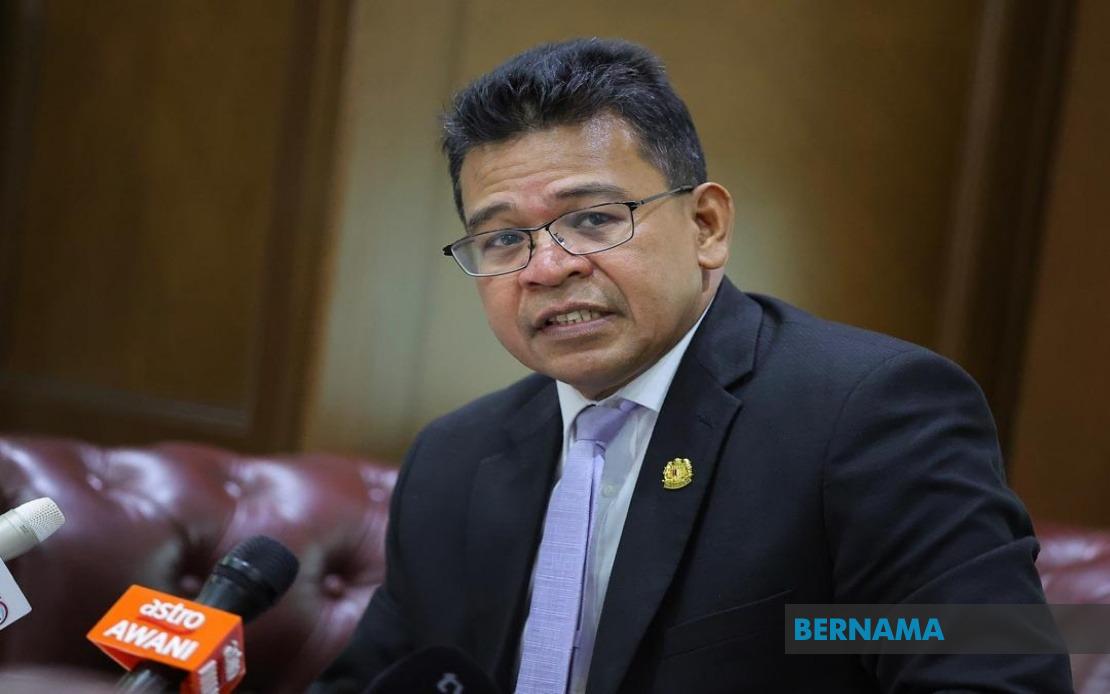
Prime Minister Datuk Seri Anwar Ibrahim will undertake a working visit to Brunei on August 21 and 22 to participate in the 27th Annual Leaders' Consultation (ALC-27), the highest-level bilateral mechanism between the two neighbouring nations. According to Malaysian High Commissioner to Brunei Datuk Mohd Aini Atan, the visit represents a continuation of Malaysia-Brunei engagement at the most senior political level, reinforcing ties that have deepened significantly since formal diplomatic relations were established in 1984.
The consultation will bring together Anwar and Sultan Hassanal Bolkiah for comprehensive discussions centred on assessing the trajectory of bilateral cooperation and evaluating progress across multiple sectors. Beyond evaluating existing arrangements, the two leaders are expected to exchange perspectives on pressing regional and international matters where both nations share strategic interests, reflecting the deeper integration of Southeast Asian economies and security concerns within the ASEAN framework.
Malaysia and Brunei maintain what officials describe as a particularly close relationship grounded in geographic proximity, shared ASEAN membership, and complementary strategic objectives. The two nations have cultivated partnership mechanisms that facilitate regular high-level engagement and substantive cooperation across diplomatic, economic, and security domains. This enduring relationship serves as a model for bilateral ties within the wider region, demonstrating how effective institutional frameworks can sustain productive engagement between neighbours of differing sizes and capabilities.
A notable outcome of the consultation will be the signing of a Memorandum of Understanding on disaster management cooperation between relevant Malaysian and Brunei ministers. This agreement underscores growing recognition in Southeast Asia of transnational disaster risks and the necessity for coordinated preparedness and response mechanisms. Given the region's vulnerability to typhoons, flooding, and other natural hazards, formalized cooperation in this domain carries substantial implications for civilian safety and economic resilience across both nations.
Preparing the ground for the leaders' consultation, Foreign Minister Datuk Seri Mohamad Hasan will chair the 27th Malaysia-Brunei Exchange of Letters (EOL-27) Implementation Meeting on August 21 alongside Brunei's Second Minister of Foreign Affairs Datuk Seri Setia Erywan Mohd Yusof. This preliminary meeting will assess compliance with and progress under previous bilateral agreements, while also examining outcomes from the 26th Annual Leaders' Consultation held in Putrajaya the previous year, ensuring continuity and accountability in bilateral commitments.
Anwar's delegation reflects the significance Malaysia attaches to the Brunei visit, incorporating key figures spanning foreign policy and domestic governance. Accompanying the Prime Minister are Foreign Minister Mohamad Hasan, Sarawak Premier Tan Sri Abang Johari Tun Openg, Sabah Chief Minister Datuk Seri Hajiji Noor, and Minister of Investment, Trade and Industry Datuk Seri Johari Abdul Ghani. The inclusion of both Sarawak and Sabah leaders signals attention to regional development priorities and the particular interests of Malaysian Borneo in cross-border cooperation with Brunei.
Economic ties between Malaysia and Brunei demonstrate substantial interdependence, with recorded trade totalling RM5.86 billion (USD 1.37 billion) in 2025. Malaysian exports to Brunei reached RM4.20 billion (USD 0.98 billion) during that period, while Malaysian imports from Brunei—primarily petroleum and related products—amounted to RM1.66 billion (USD 0.39 billion). This trade composition reflects Brunei's reliance on energy exports and Malaysia's position as a significant provider of manufactured goods and services to the sultanate's domestic market.
For the first half of 2026, bilateral trade momentum has continued with combined trade volume reaching RM2.38 billion (USD 0.6 billion) by June, suggesting sustained commercial engagement despite global economic headwinds. The relatively consistent trade trajectory indicates stable demand for Malaysian products and services within Brunei, though the trade deficit favours Malaysia, reflecting broader economic complementarities between the two nations. Malaysian businesses, particularly those operating in sectors ranging from consumer goods to construction and professional services, maintain significant commercial stakes in Brunei's economy.
The ALC-27 consultation occurs within a broader context of evolving ASEAN dynamics and shifting regional geopolitical considerations. Malaysia and Brunei, as foundation members of ASEAN, share institutional interests in preserving the association's centrality and relevance amid great power competition and transnational challenges. The leaders' dialogue will likely address matters spanning maritime security in the South China Sea, trade facilitation within the ASEAN Economic Community, and responses to shared development priorities including digital transformation and sustainable economic growth.
For Malaysian readers and businesses, the outcomes of this consultation carry implications across multiple dimensions. Enhanced disaster management cooperation could improve preparedness for environmental emergencies affecting both populations. Any trade or investment facilitation measures discussed could expand opportunities for Malaysian enterprises in Brunei. Moreover, the reaffirmation of close bilateral ties contributes to the broader regional stability that underpins ASEAN's role as an essential forum for peaceful resolution of disputes and cooperation among diverse Southeast Asian states.
The visit also provides occasion to assess the evolving character of Malaysia-Brunei relations as both nations navigate longer-term development challenges including economic diversification, demographic changes, and technological disruption. Regular high-level engagement through mechanisms like the ALC ensures that bilateral relationships remain responsive to emerging priorities and can be adjusted strategically to serve each nation's interests while maintaining the collaborative spirit that has characterised ties since 1984.

