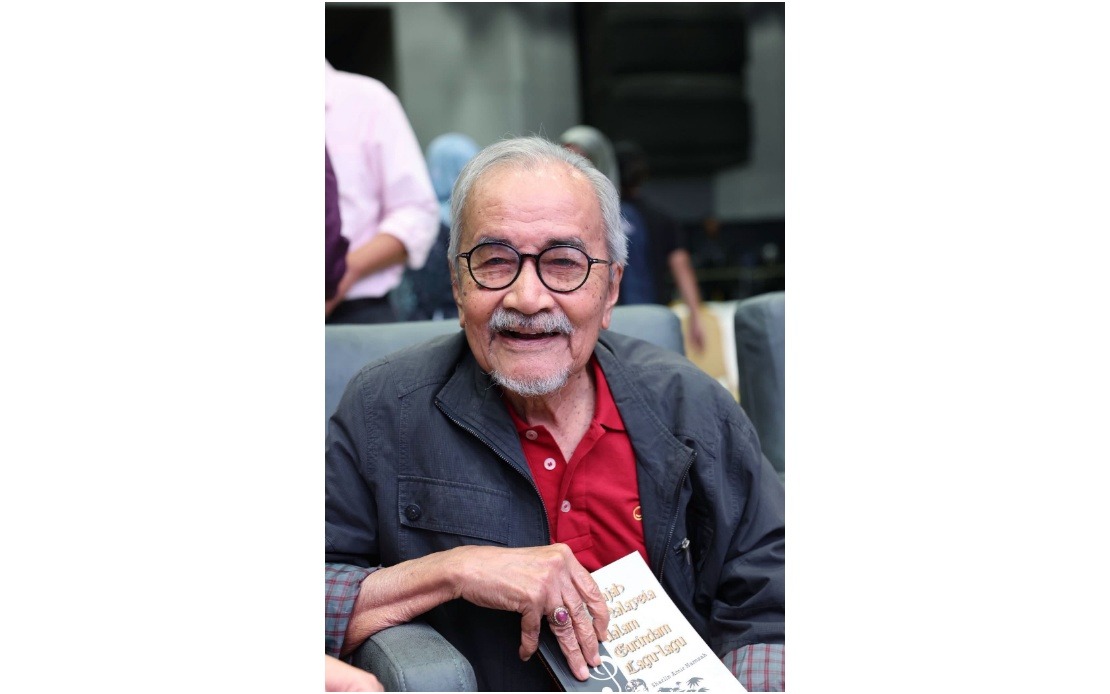
Prime Minister Datuk Seri Anwar Ibrahim has publicly celebrated the 87th birthday of Datuk Rahim Razali, recognising the veteran filmmaker's extraordinary impact on Malaysia's creative landscape. Through a Facebook post marking the occasion on July 5, Anwar extended his birthday wishes to the celebrated actor, director and cultural figure, acknowledging the profound influence Rahim has wielded across multiple decades of artistic endeavour.
Anwar's tribute positioned Rahim Razali as a transformative force within Malaysia's local arts ecosystem, highlighting how his body of work has consistently prioritised themes of human dignity, cultural preservation and national identity. The Prime Minister emphasised that Rahim's artistic legacy transcends generational boundaries, suggesting that his films and creative output will continue serving as touchstones for emerging artists and cultural practitioners seeking to understand Malaysia's values and heritage through contemporary artistic expression.
The Prime Minister's message also contained prayers for Rahim's wellbeing, expressing hope that the filmmaker would enjoy continued good health and longevity while maintaining his capacity to contribute meaningfully to the nation's cultural development. This personal touch underscores the significance Malaysia's political leadership places on acknowledging those who have dedicated their lives to preserving and advancing the country's artistic traditions at a time when such figures represent living links to Malaysia's post-independence cultural evolution.
Rahim Razali's career trajectory reflects the breadth of opportunities available within Malaysia's mid-20th century creative industries. Born on July 3, 1939 in Batu Gajah, Perak, he entered an entertainment landscape that was still developing its institutional frameworks and professional standards. Rather than specialising narrowly in a single discipline, Rahim demonstrated remarkable versatility, moving fluidly between acting, film direction, scriptwriting, sports journalism and broadcasting throughout his six-decade professional journey.
His filmography encompasses numerous productions that have achieved iconic status within Malaysian cinema, though precise details of his most celebrated works remain less internationally documented than those of some contemporaries. What distinguishes Rahim's approach to filmmaking is his apparent commitment to narratives that engaged with substantive social and cultural questions rather than pursuing purely commercial entertainment formulas. The Malaysian Film Festival recognised this commitment through multiple Best Director and Best Male Actor accolades, institutional validation that affirmed his standing among peers and critics alike.
The acknowledgment from Malaysia's highest political office carries particular significance given ongoing discussions about cultural heritage preservation in Southeast Asia. As Malaysia continues navigating modernisation and globalisation pressures, senior government figures regularly emphasise the importance of maintaining connections to artistic traditions and cultural memory. Rahim Razali embodies this continuity—a living practitioner who has witnessed and participated in Malaysia's cultural evolution from the immediate post-independence period through the contemporary era.
For Malaysian audiences and aspiring creative professionals, Rahim's longevity in the industry offers instructive lessons about sustaining artistic relevance across changing technological and commercial landscapes. He transitioned from theatre and early cinema formats through various broadcasting media, adapting his skills while maintaining core artistic principles. This adaptability suggests how traditional artists can remain influential even as industrial structures transform around them, a relevant consideration for Malaysia's creative economy as digital platforms increasingly shape cultural production and distribution.
Rahim's work in sports journalism and broadcasting represents a dimension of his career sometimes overlooked in retrospectives focused primarily on his film achievements. This involvement demonstrates how cultural figures of his generation often moved across institutional boundaries in ways that contemporary specialisation sometimes prevents. His contributions to broadcasting helped establish professionalism within Malaysian media at a formative period, influencing how information and entertainment were structured for public consumption.
The public recognition from Anwar Ibrahim also reflects diplomatic cultural politics, where acknowledging senior creative figures serves to signal a government's commitment to supporting artistic expression and heritage maintenance. In the Malaysian context, where political leaders frequently invoke cultural nationalism as a unifying discourse, honouring long-serving cultural practitioners demonstrates continuity with post-independence nation-building projects that positioned Malaysian cinema and arts as vehicles for expressing national identity and social values.
Looking forward, Rahim Razali's milestone birthday invites reflection on the sustainability of Malaysia's cultural infrastructure and the mechanisms through which artistic contributions are remembered and valued across generations. As streaming platforms and digital media reshape consumption patterns, ensuring that earlier generations of Malaysian filmmakers remain accessible and studied becomes an institutional priority requiring active curatorial effort from archives, educational institutions and broadcast media.

