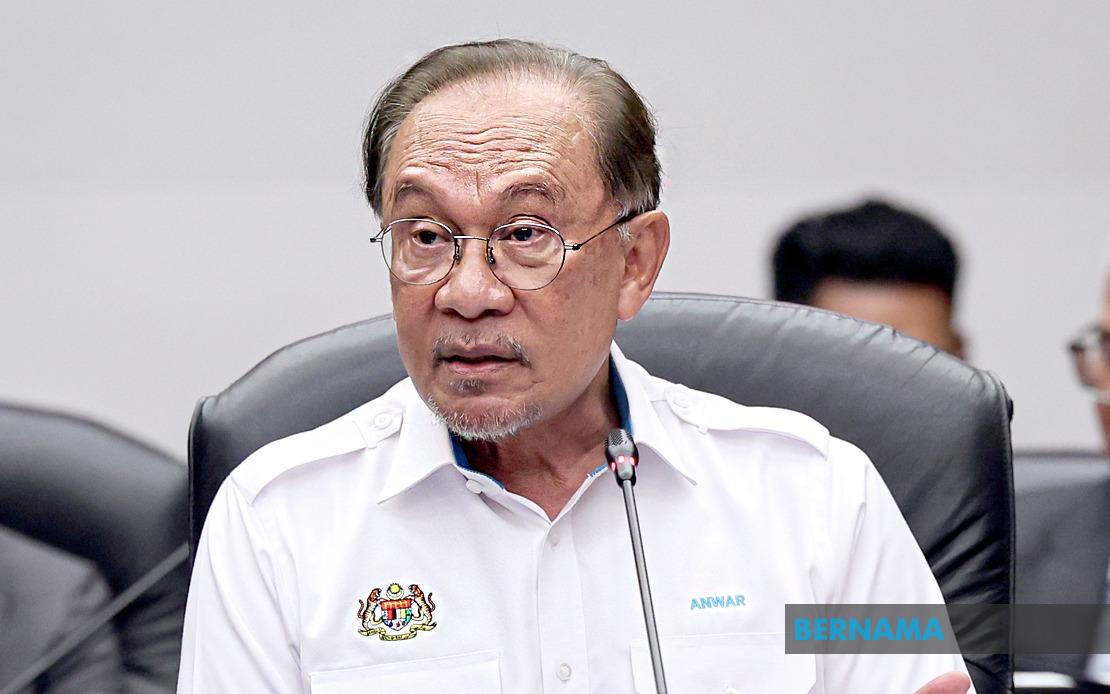
Prime Minister Datuk Seri Anwar Ibrahim has directed the Immigration Department to launch an immediate and exhaustive investigation into a fatal lorry accident that occurred on Jalan Sultan Ismail in Kuala Lumpur early Monday morning, with assurances that decisive steps will follow should the probe uncover evidence of negligence or regulatory breaches.
The tragic incident unfolded shortly after 1 am at the Maju Junction traffic-light intersection, where a three-member family was struck by an Immigration Department vehicle. A 53-year-old man and his two daughters, aged 25 and 12, were killed at the scene. The victims' 55-year-old mother sustained serious injuries affecting her head, arms, and legs and was hospitalised at the Red Zone facility in Kuala Lumpur Hospital for ongoing treatment.
Anwar expressed his condolences to the bereaved family through a Facebook statement, emphasising the gravity with which his administration views the tragedy. The Prime Minister's swift directive reflects growing scrutiny of public sector vehicle safety and operational procedures, particularly given that the lorry involved was carrying out official duties at the time. His commitment to holding officials accountable should wrongdoing be identified signals an administration determined to prevent such catastrophes through rigorous oversight and enforcement.
According to police documentation, the involved vehicle was an unladen Isuzu Black Maria operated by the Immigration Department. The lorry was en route from the Kuala Lumpur Immigration Office to Chow Kit to conduct operations targeting undocumented migrants when the collision occurred. This operational context raises questions about driving conditions during nocturnal enforcement activities, whether adequate rest protocols are maintained for personnel conducting extended operations, and whether vehicle maintenance standards are consistently upheld across the department's fleet.
The circumstances surrounding how the lorry struck the family vehicle at a trafficked junction during early morning hours suggest multiple investigative angles warrant examination. Authorities will likely scrutinise driver alertness and fatigue levels, adherence to traffic regulations, vehicle mechanical condition, visibility and lighting conditions at the intersection, and whether the lorry's operational deployment had been properly authorised and supervised. The investigation may also evaluate whether traffic management protocols at that particular junction remain adequate for the volume and type of traffic utilising it.
Fatalities involving government vehicles carry particular significance in Malaysia's public discourse, as they invariably prompt broader examination of institutional accountability and public safety standards. When state assets result in civilian deaths, the incident transcends the immediate tragedy and becomes emblematic of whether government agencies maintain adequate operational safeguards. This case will likely intensify focus on whether the Immigration Department's vehicle fleet receives regular maintenance inspections, whether drivers receive appropriate safety training, and whether fatigue management protocols exist for personnel working irregular hours on enforcement operations.
The involvement of the Immigration Department specifically adds dimension to this narrative, as the ministry has faced previous scrutiny regarding enforcement operations and their broader impacts. An immigration enforcement activity intended to address undocumented migration resulted instead in a family tragedy that claimed three lives and left a fourth person seriously injured. This outcome may prompt policy reconsideration regarding how nocturnal operations are conducted, whether risk mitigation measures are sufficiently robust, and how government agencies can balance enforcement mandates with public safety imperatives.
For Malaysian motorists and the broader public, this incident underscores the potential dangers posed by government vehicles operating during low-visibility hours. Southeast Asian road safety statistics already present concerning trends, and accidents involving official vehicles command particular attention because they involve entities responsible for establishing and enforcing traffic safety standards. The investigation's findings may precipitate systemic changes affecting how multiple government agencies conduct their transportation operations.
Anwar's directive that appropriate action be taken without compromise if investigations reveal legal or regulatory violations demonstrates executive resolve to prevent similar incidents through accountability mechanisms. However, the effectiveness of such directives ultimately depends on investigation rigour, transparent findings disclosure, and actual implementation of corrective measures. Malaysian civil society observers will likely monitor how thoroughly the investigation proceeds and whether genuine accountability follows, rather than institutional self-protection.
The broader implications extend to vehicle safety standards across the public sector generally. If the probe identifies maintenance deficiencies, driver fatigue, inadequate safety protocols, or insufficient operational oversight, recommendations addressing these systemic weaknesses may resonate throughout multiple government departments relying on vehicle fleets. The incident illustrates how individual tragedies can catalyse institutional reforms affecting numerous agencies and their operational procedures.
As investigations proceed, attention will focus on whether the incident represents an isolated accident or whether it reflects broader patterns of concern within the Immigration Department's operations. The severity of the outcome, combined with high-level political attention, creates momentum for genuinely comprehensive examination rather than perfunctory inquiry. How Malaysian authorities handle this investigation will potentially establish precedent for similar incidents involving government vehicles and the standards to which officials will be held accountable.

