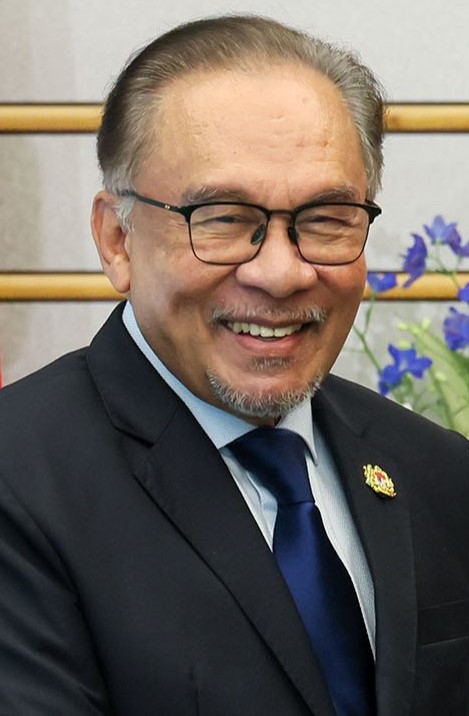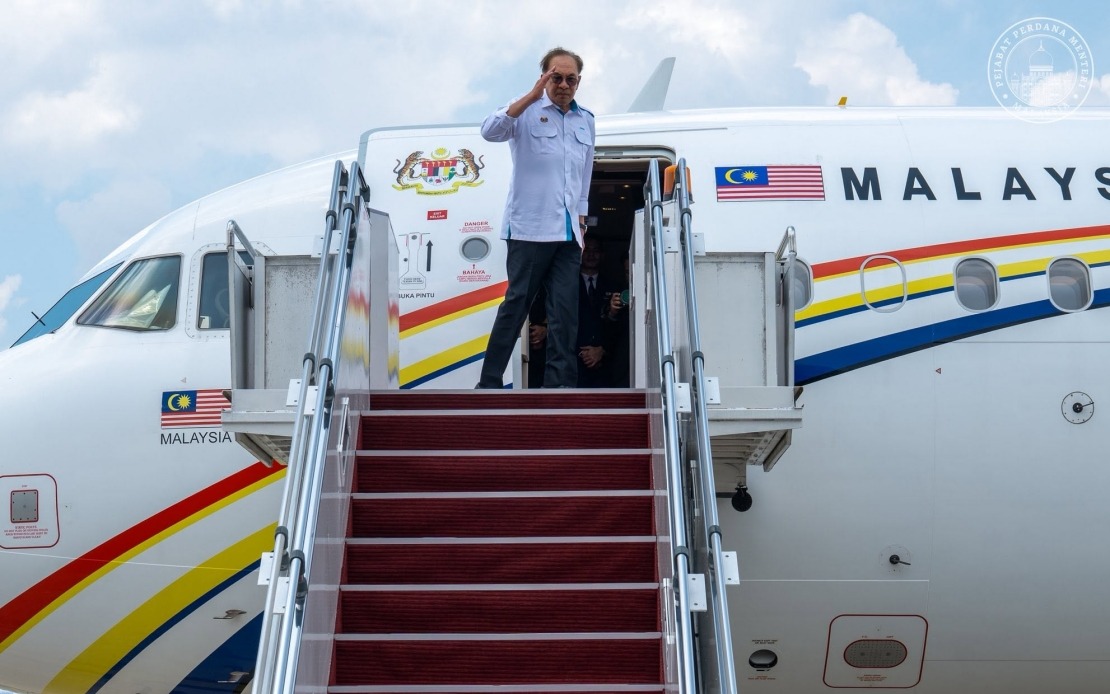
Prime Minister Datuk Seri Anwar Ibrahim departed Subang Air Base today for Kazan, Russia, to lead Malaysia's representation at a significant multilateral gathering that underscores the region's deepening engagement with one of the world's major powers. The journey represents another milestone in Malaysia's diplomatic calendar and reflects the country's commitment to maintaining balanced international relations across multiple strategic partnerships.
The ASEAN-Russia Commemorative Summit, scheduled for June 17 to 18 in Kazan, carries particular symbolic weight as it commemorates 35 years since ASEAN and Russia formally established diplomatic ties in Kuala Lumpur in 1991. This three-decade-plus relationship has evolved from initial cautious engagement to a more structured strategic partnership encompassing diverse areas of mutual interest and cooperation. Malaysia's presence through its Prime Minister underscores the bloc's collective commitment to strengthening these bonds.
During his time in Kazan, Anwar is expected to engage in bilateral discussions with Russian President Vladimir Putin, marking a high-level diplomatic exchange between Malaysia and Russia. Such direct engagement between national leaders typically enables discussion of matters transcending routine diplomatic channels and allows for strategic conversations about bilateral issues and regional concerns. The meeting also provides an opportunity to address any developments affecting Malaysian interests in the broader Eurasian context.
Anwar's participation in the Russia-ASEAN Business Forum represents the economic dimension of the summit's agenda. This gathering brings together entrepreneurs, investors, and business leaders from across ASEAN member states and Russia, creating networking opportunities and exploring commercial possibilities. For Malaysia, which maintains significant economic interests spanning commodities, technology, and services, such forums provide platforms to identify new investment channels and trade partnerships.
The Malaysian delegation extends beyond the Prime Minister and includes substantial representation from the country's economic apparatus. Minister of Investment, Trade and Industry Datuk Seri Johari Abdul Ghani and Minister of Economy Akmal Nasrullah Mohd Nasir accompany Anwar, signalling that economic cooperation features prominently in Malaysia's approach to the summit. This composition reflects a strategic emphasis on translating diplomatic goodwill into tangible commercial benefits for Malaysian businesses and workers.
Acknowledging the broader scope of his international engagements, Anwar announced that following the Kazan summit, his delegation will travel to Ashgabat, Turkmenistan, for an official visit at the invitation of President Serdar Berdimuhamedow. This extension broadens the diplomatic impact of the Prime Minister's Central Asian journey, enabling engagement with another important nation in the region. Turkmenistan, with its significant energy resources and position along major trade corridors, represents another strategic partner warranting high-level attention.
Wisma Putra's statement indicated that the summit will enable ASEAN and Russia to comprehensively review achievements over three and a half decades while establishing frameworks for future cooperation. This retrospective assessment proves essential for identifying successful models that might be expanded and acknowledging areas where coordination could deepen. The strategic partnership framework provides the institutional architecture through which such discussions occur.
The anticipated focus areas reflect contemporary international priorities and regional concerns. Trade and investment cooperation addresses economic interconnection; energy discussions acknowledge both parties' interests in stable, predictable energy markets; food security conversations respond to global supply chain vulnerabilities demonstrated in recent years; digital economy cooperation reflects the accelerating technological transformation affecting all nations; and exchanges in science, technology, culture, education, tourism, and people-to-people contacts address the broader dimensions of partnership extending beyond official channels.
For Malaysia and Southeast Asia more broadly, engagement with Russia carries particular relevance given regional geopolitical dynamics. As ASEAN navigates relationships with major powers while maintaining its cherished centrality and non-aligned principles, forums like this summit provide opportunities for structured dialogue. Russia's geographic, military, and economic weight makes its relationship with the region significant, particularly as developments in neighbouring regions continue evolving.
The timing of this summit also occurs within a context of renewed Russian interest in Southeast Asian partnerships, reflecting Moscow's strategic calculation that deeper ties with the region serve its broader foreign policy objectives. For ASEAN members, meanwhile, maintaining cooperative channels with Russia aligns with the regional preference for inclusive diplomacy rather than zero-sum geopolitical competition. Malaysia's leadership in attending, coupled with the substantive delegation accompanying Anwar, demonstrates the nation's consistent commitment to this balanced approach.
The emphasis on practical cooperation across multiple sectors suggests that the ASEAN-Russia partnership continues maturing beyond symbolism toward concrete collaborative projects. Whether in energy security, technological development, or educational exchanges, such partnerships generate benefits extending to ordinary citizens through improved opportunities and living standards. Malaysia's participation ensures that Malaysian interests receive appropriate attention within these broader ASEAN-Russia discussions.
Anwar's international itinerary illustrates how contemporary prime ministerial responsibilities encompass constant engagement with global partners across multiple continents. Such diplomatic missions require substantial preparation, coordination, and follow-up, reflecting the demanding nature of leading a nation maintaining diverse international relationships. The Prime Minister's emphasis on seeking prayers for successful outcomes reflects both personal faith and acknowledgement of the complexity surrounding high-level international negotiations.