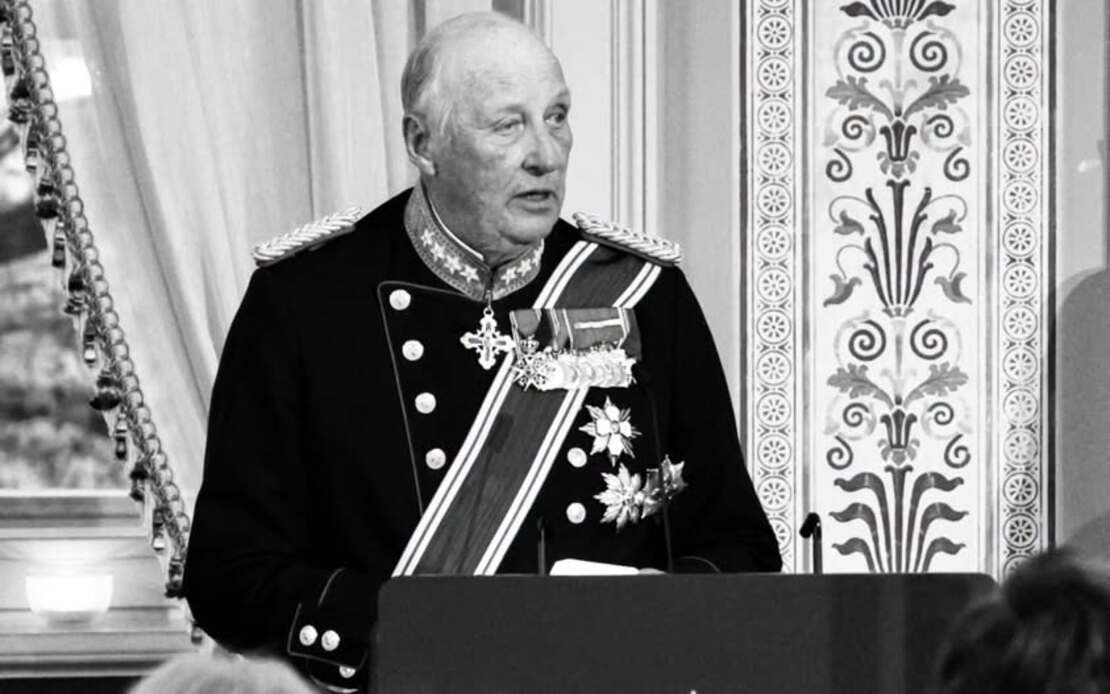
Prime Minister Datuk Seri Anwar Ibrahim has expressed Malaysia's official condolences to the Norwegian people following the passing of King Harald V, who died on Friday at the age of 89 at Oslo's National Hospital. The Malaysian leader released a statement through his Facebook page on Thursday, articulating the government's sympathy during this period of national mourning for the Nordic kingdom. Anwar's remarks underscored the significance of Harald's reign and his contributions to Norwegian society during his seven decades as monarch.
In his tribute, Anwar emphasised King Harald's distinctive legacy as a unifying figure who championed an inclusive vision of Norwegian identity. The Prime Minister highlighted how the late king had spoken eloquently about Norway as a multicultural nation composed of individuals whose ancestral roots spanned diverse geographies—from Afghanistan and Pakistan to Poland and beyond. This perspective, Anwar noted, represented a progressive understanding of nationhood that transcended traditional ethnic or cultural boundaries, setting a powerful example for contemporary nation-building in an increasingly interconnected world.
Anwar drew particular attention to King Harald's inclusive rhetoric regarding immigration and integration. The Malaysian Prime Minister quoted the late monarch's affirmation that regardless of their origins or family backgrounds, all residents of Norway possessed equal claim to Norwegian identity. This message resonated with Anwar's own governance philosophy, which has emphasised pluralism and the accommodation of diverse communities within a unified national framework. For Malaysian observers, the comparison invites reflection on how established monarchies in developed democracies approach questions of national belonging and social cohesion.
Beyond matters of inclusivity, Anwar highlighted King Harald's personal character and steadfast adherence to duty. The Prime Minister reflected on the monarch's profound understanding of the weight carried by an oath and the paramount importance of remaining faithful to one's commitments. This observation speaks to the symbolic and constitutional role that monarchs play as custodians of national continuity and institutional integrity—values that resonate strongly within Malaysia's own constitutional framework and monarchy system.
King Harald V had been hospitalised since August 17 and was undergoing treatment for hemolytic anemia, a blood disorder requiring cortisone therapy. The 89-year-old's deteriorating health had prompted international concern, with medical staff at Oslo's leading hospital providing intensive care during his final weeks. His death marks the end of an era for Norway, as Harald was one of Europe's longest-reigning monarchs and had become a widely respected figure both domestically and on the international stage.
The late king ascended to the Norwegian throne in 1991 following the death of his father, King Olav V, and had served for more than three decades. During his reign, Harald witnessed and facilitated significant social and economic transformations within Norway, including the country's evolution into a modern welfare state and a major energy exporter. His tenure coincided with periods of regional stability and growing Norwegian influence in international affairs, particularly through diplomatic and humanitarian initiatives.
From a Southeast Asian perspective, Norway has long maintained cordial diplomatic relations with the region, including Malaysia. Norwegian involvement in development assistance, environmental conservation, and conflict resolution initiatives across Southeast Asia has created enduring ties between Oslo and regional capitals. The passing of King Harald represents a symbolic moment for these bilateral relationships, as Norway transitions to new leadership under Crown Prince Haakon, who is expected to assume the throne.
Anwar's condolence message reflects the diplomatic customs and mutual respect that characterise Malaysia's engagement with fellow monarchies and established democracies. The Malaysian government's decision to formally acknowledge the Norwegian king's death through an official statement underscores the importance Malaysia places on maintaining strong international partnerships and demonstrating cultural sensitivity toward allied nations. Such gestures form an essential component of Malaysia's broader foreign policy framework.
The significance of Anwar's remarks extends beyond ceremonial courtesy. By emphasising King Harald's vision of inclusive nationhood, the Prime Minister implicitly reinforced Malaysia's own commitment to managing religious and cultural diversity within a constitutional monarchy framework. For Malaysian policymakers and citizens alike, the Norwegian example offers valuable perspectives on how established monarchies navigate contemporary challenges of immigration, integration, and national identity while maintaining institutional stability and public legitimacy.
As Norway enters a new chapter under Crown Prince Haakon's succession, the international community continues to assess the implications for the Nordic kingdom's future direction. Malaysia's formal recognition of King Harald's passing and legacy contributes to the broader global narrative of honouring his reign while extending solidarity to the Norwegian nation during this transitional period. The Malaysian government's measured and respectful tone in Anwar's statement demonstrates the diplomatic acumen required in international relations, particularly when engaging with nations that share similar institutional structures and constitutional traditions.

