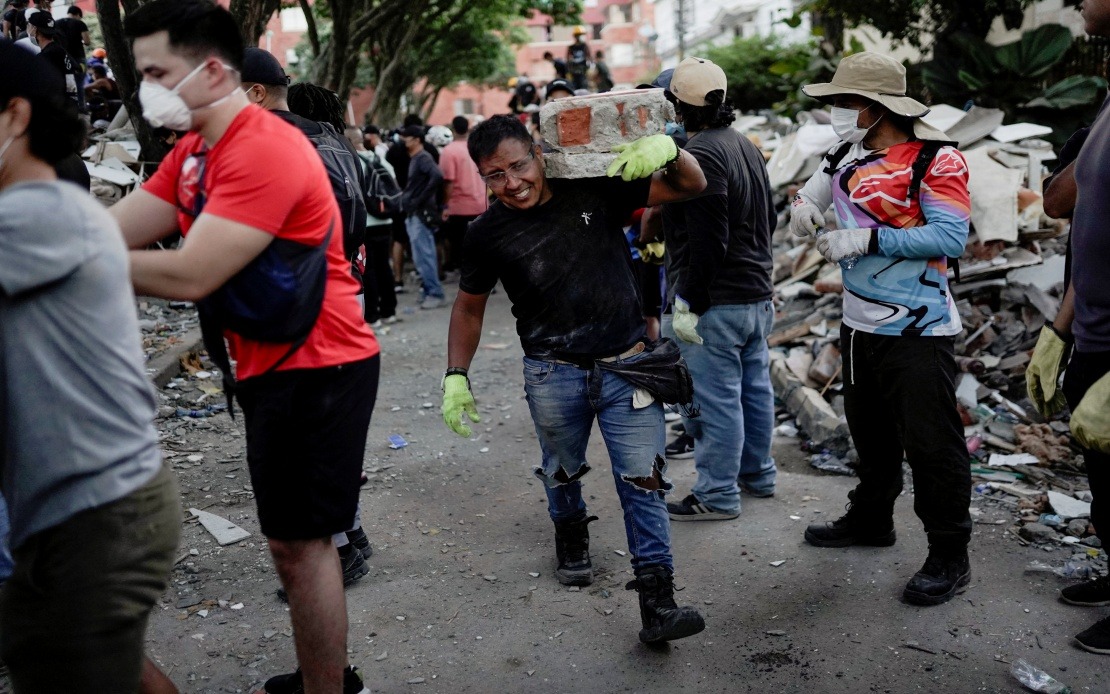
Prime Minister Datuk Seri Anwar Ibrahim has expressed Malaysia's solidarity with Colombia in the aftermath of a catastrophic earthquake that struck the country's western regions, killing more than 100 people and triggering widespread destruction across multiple provinces. The tremor, measuring 7.4 in magnitude, ranks among the most severe seismic events to affect the South American nation in recent decades, prompting international expressions of support and humanitarian concern.
In remarks shared via social media, Anwar conveyed his profound sadness at learning of the disaster, which unfolded on Monday with its epicentre situated in the Chocó region. The earthquake's effects reverberated across several major urban centres including Cali, Pereira, and Manizales, each experiencing significant infrastructural damage and presenting formidable challenges to rescue and recovery operations. The Prime Minister articulated on behalf of the Malaysian Government and its citizens a formal expression of condolences to grieving families who have lost loved ones, alongside compassion for the broader population grappling with the catastrophe's immediate aftermath.
The humanitarian dimension of Malaysia's response underscores a diplomatic principle that transcends geographical distance. Anwar specifically acknowledged the extraordinary efforts of emergency responders and volunteer organisations working tirelessly to locate trapped individuals amid a succession of powerful aftershocks that continue threatening the stability of already-compromised structures. This recognition reflects an understanding that natural disasters, regardless of where they occur, demand recognition of human courage and sacrifice in the face of overwhelming circumstances.
The timing and intensity of seismic events in Colombia carry particular significance within the broader context of global disaster management. The country's location along major tectonic boundaries exposes it to ongoing geological risks, and a tremor of this magnitude places extraordinary strain on national infrastructure and emergency services. For Malaysian observers and policymakers, the Colombian experience serves as a sobering reminder of the unpredictable forces that can devastate societies with minimal warning, irrespective of economic development or preparedness levels.
Malaysia's diplomatic positioning reflects a consistent approach to international crises, whereby expressions of sympathy serve both humanitarian and strategic functions. By articulating solidarity with affected nations, Kuala Lumpur maintains its standing within multilateral communities and reinforces bilateral relationships through demonstrated empathy during vulnerable moments. This practice has become increasingly normalised within contemporary statecraft, where leaders routinely signal compassion through official channels while their governments coordinate practical assistance where feasible.
The earthquake's impact on Colombia extends beyond immediate casualty figures and structural damage. The disaster disrupts economic activity, displaces populations from affected zones, and imposes long-term rehabilitation demands on national resources. Recovery from such events typically spans years or decades, requiring sustained international attention and support networks. For regional observers in Southeast Asia, Colombian recovery patterns offer instructive examples of post-disaster reconstruction challenges and institutional resilience requirements.
Anwar's invocation of international community sentiment aligns with broader patterns of diplomatic coordination following major natural disasters. Multilateral forums and bilateral channels activate to mobilise assistance, share expertise, and coordinate relief efforts. Malaysia, itself vulnerable to various natural hazards including earthquakes, floods, and landslides, maintains active participation in these international frameworks and frequently contributes specialised search-and-rescue teams and technical expertise to affected regions.
The continuing aftershocks following the primary earthquake present particularly acute dangers to rescue operations and survivor welfare. Structural instability compounds challenges faced by emergency personnel navigating collapsed buildings and unstable terrain. International experience with such disasters has generated improved protocols and equipment for response teams, yet each incident presents unique environmental and logistical complexities. The Colombian situation will likely generate further refinements to international disaster response methodologies.
For Malaysia's leadership, maintaining visible engagement with global humanitarian crises represents both moral imperative and strategic interest. The nation's geographic position and growing international influence position it as a constructive voice within multilateral organisations addressing transnational challenges. By responding promptly and substantively to Colombian suffering, Malaysian officials demonstrate commitment to principles of global solidarity and human dignity that transcend political boundaries and economic considerations.
The broader implications of major seismic events extend into discussions regarding climate resilience, infrastructure vulnerability, and disaster preparedness in developing economies. Colombia's experience will likely inform ongoing conversations within international development forums about integrating earthquake-resistant building standards, early warning systems, and emergency response capacity into national development agendas. Malaysian planners and disaster management officials will undoubtedly monitor Colombian recovery efforts to extract relevant lessons for their own contextual applications.

