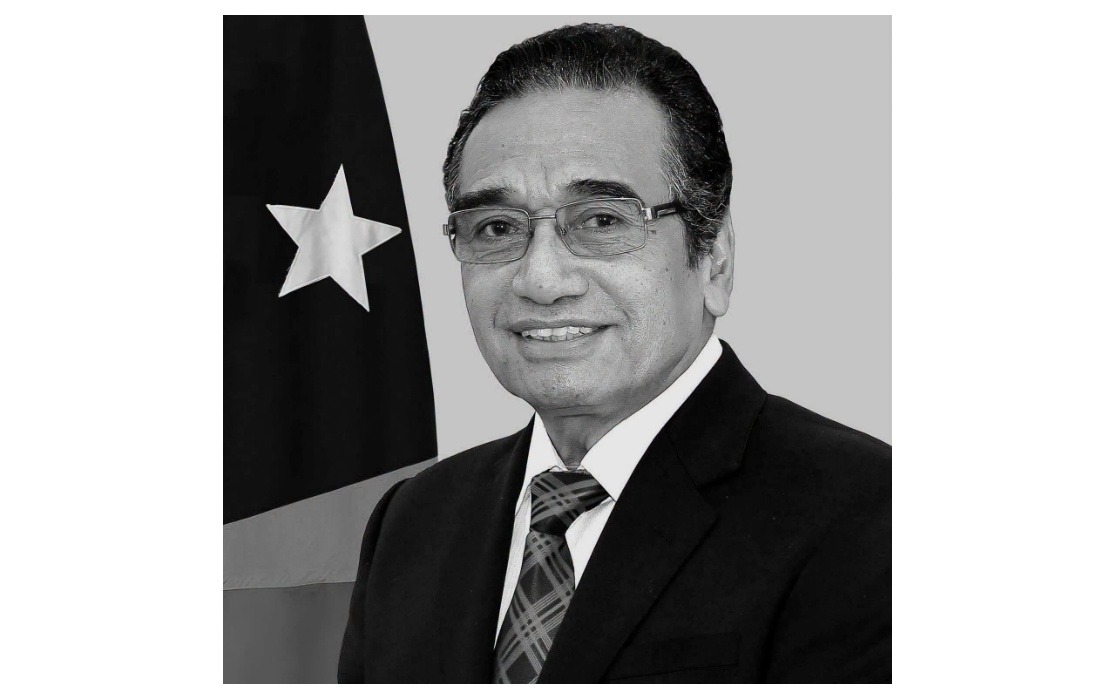
Prime Minister Datuk Seri Anwar Ibrahim has conveyed Malaysia's sympathy to the family and people of Timor-Leste following the death of former president Francisco Guterres, who succumbed to illness at Prince Court Hospital in Kuala Lumpur on June 21. The 71-year-old statesman, who served as Timor-Leste's head of state from 2017 until 2022, had been receiving intensive medical treatment in the Malaysian capital when he passed away.
Anwar shared his personal reflections through a Facebook post on June 22, acknowledging Guterres as a pivotal figure in the Southeast Asian nation's struggle for self-determination and democratic consolidation. The Prime Minister's tribute underscores the regional significance of Guterres' life and the shared values of independence and nation-building that resonate across Southeast Asia, particularly among countries that have traversed similar paths toward sovereignty and democratic governance.
Guterres belonged to a generation of resistance fighters who dedicated their lives to liberating Timor-Leste from foreign occupation. He became widely recognised under his resistance pseudonym Lú-Olo, a name that carried symbolic weight among the Timorese independence movement and became synonymous with steadfast commitment to national liberation. This identity would later define much of his public service and international standing.
Before ascending to the presidency, Guterres served in critical institutional roles that shaped Timor-Leste's young democracy. He held the position of President of the National Parliament, where he contributed to crafting the legislative framework that underpinned the nation's democratic institutions. His transition from resistance fighter to parliamentary leader to president embodied the journey many Southeast Asian leaders undertook as their nations transitioned from conflict and authoritarian rule to democratic governance.
During his five-year presidential tenure from 2017 to 2022, Guterres navigated a challenging period in Timor-Leste's development. The nation, still consolidating its democratic systems and economic foundations after independence in 2002, faced complex political dynamics and governance challenges. As head of state, he represented continuity with the independence struggle while symbolising the aspirations of a nation building institutions and fostering stability in a strategic region.
Anwar's statement reflected Malaysia's appreciation for Guterres' contributions beyond Timor-Leste's borders. The Prime Minister emphasised that Malaysia would remember the late president with respect and affection, suggesting that bilateral relations and shared regional interests had fostered meaningful connections between the two nations. This diplomatic expression carries particular weight in Southeast Asian diplomacy, where historical bonds and mutual recognition among independence-era leaders remain foundational to regional solidarity.
The death of figures from Timor-Leste's independence generation holds significance for the broader Southeast Asian community. These leaders witnessed colonial rule, led resistance movements, and guided nation-building efforts during critical junctures in the region's post-colonial development. Their legacies inform contemporary discussions about regional integration, ASEAN cooperation, and the preservation of hard-won independence and democratic values.
Guterres' passing at Prince Court Hospital in Kuala Lumpur, rather than in his homeland, reflects the realities of modern statecraft and international healthcare seeking. Many Southeast Asian leaders and dignitaries access advanced medical treatment across the region, with Malaysia serving as a regional medical hub. This circumstance also underscores the interconnected nature of contemporary Southeast Asian affairs, where individuals and institutions operate within networks that transcend national boundaries.
The late president's role as a symbol of resistance and democratic transition carries lessons for Timor-Leste's ongoing development. As the nation continues strengthening its institutions and navigating regional geopolitical complexities, the memory of leaders like Guterres who bridged the gap between revolutionary struggle and democratic governance remains relevant. His presidency represented a crucial stabilising period as the country consolidated gains achieved since independence.
Guterres' death marks another passing from the cohort of Southeast Asian independence leaders who shaped the region's post-colonial trajectory. Malaysia, having achieved independence through different means and under different circumstances, nonetheless shares with Timor-Leste a commitment to regional stability, democratic principles, and ASEAN cooperation. Anwar's condolences reflect these shared values and Malaysia's recognition of Guterres' significance within the Southeast Asian historical narrative.
The tribute from Malaysia's leadership also acknowledges the sacrifices made by Timor-Leste's independence generation. Many resistance fighters endured imprisonment, exile, and hardship in pursuit of national self-determination. That generation's resilience and dedication established foundations upon which contemporary Timorese society continues developing, making their historical contributions worthy of regional remembrance and respect.
As Timor-Leste prepares for a national period of mourning, Guterres' passing invites reflection on the nation's journey since independence and the leadership that guided its early democratic years. For Malaysia and other ASEAN members, his death represents the loss of a contemporary who contributed to the region's evolution and embodied the values of independence and democratic governance that underpin Southeast Asian identity and cooperation.

