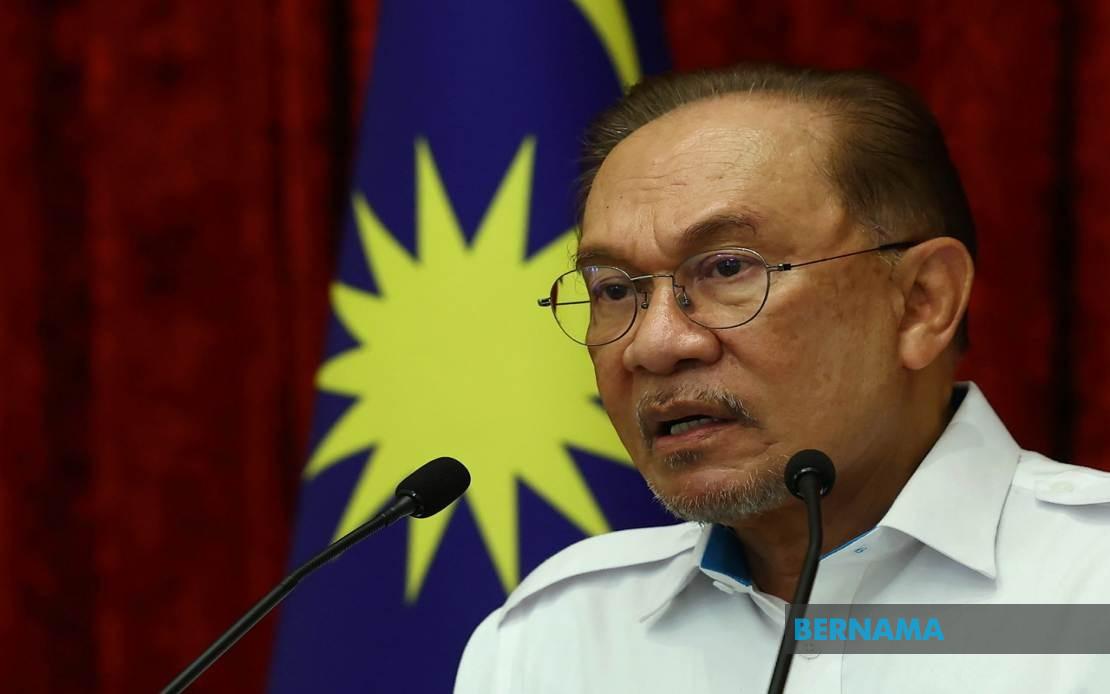
Prime Minister Datuk Seri Anwar Ibrahim has expressed regret at being unable to participate in Parliament's special sitting yesterday to discuss findings from the Royal Commission of Inquiry into Tabung Haji, Malaysia's pilgrimage savings fund that has faced persistent governance challenges in recent years. In a statement released through his office, the Premier conveyed his apologies for the absence and pledged to remain engaged with the parliamentary discourse despite his current medical circumstances.
The Prime Minister's senior press secretary, Tunku Nashrul Abaidah, relayed assurances that despite his inability to be physically present in the Dewan Rakyat chamber, the nation's chief executive intends to follow the debate with close attention. The statement emphasised Anwar's commitment to ensuring parliamentary scrutiny of the Tabung Haji matter proceeds without impediment, underscoring the significance of maintaining public confidence in this crucial institution serving the Muslim community's interests nationwide.
Anwar is presently recuperating from a surgical intervention performed to address a para-umbilical hernia, a relatively common medical condition. His medical team, headed by Datuk Dr Asri Ranga Abdullah Ramaiah, confirmed that the procedure employed minimally invasive laparoscopic techniques, an approach that typically allows for faster recovery compared to traditional open surgery. The Premier's health team characterised the operation as elective rather than emergency-based, allowing for proper planning and scheduling.
The recovery process involves continuing physiotherapy sessions conducted under the guidance of a comprehensive medical team of specialists. This indicates a structured rehabilitation programme designed to restore full functionality following the surgical intervention. According to his office, the Premier's condition is showing positive trajectories, with medical professionals overseeing his rehabilitation to ensure optimal outcomes as he gradually resumes full duties.
The absence from Parliament coincided with Anwar's 79th birthday on August 10, prompting the Prime Minister's office to publicly acknowledge the well-wishes and prayers received from the Malaysian public and international well-wishers. Such messages of support, according to his statement, have provided encouragement during the recovery phase. The gesture of gratitude extended beyond formal acknowledgement, reflecting broader public concern for the health of the nation's chief executive.
Tabung Haji represents a particularly sensitive institution within Malaysia's governance framework, serving as a financial mechanism through which Muslim Malaysians accumulate savings specifically designated for performing the Hajj pilgrimage to Mecca. The Royal Commission of Inquiry was established to examine management, governance, and administrative practices within the organisation, addressing various concerns that have surfaced regarding the fund's operations. Parliamentary deliberation of the RCI findings carries substantial weight given the fund's importance to millions of Muslim families nationwide.
The special sitting called to debate the RCI report indicates Parliament's recognition of the matter's significance and the necessity for comprehensive legislative review of the commission's recommendations. Such proceedings typically involve detailed examination of governance structures, financial management protocols, and potential reforms needed to strengthen institutional integrity and public confidence. For a sitting Prime Minister to be absent from such discussions, even temporarily, underscores the seriousness of his medical situation.
From a regional perspective, the incident highlights continuity challenges that can arise in Southeast Asian governance when key leadership figures require medical attention. Malaysia's parliamentary system provides mechanisms for government continuity through delegation of authority, yet the Prime Minister's personal engagement in matters affecting major national institutions remains symbolically important. The assurance that Anwar will monitor proceedings indicates efforts to maintain substantive involvement despite physical absence.
The transparency surrounding Anwar's medical condition and recovery timeline reflects contemporary expectations for openness regarding leadership health matters. Unlike previous eras in Malaysian politics when such information was often withheld from public knowledge, current practice emphasises factual disclosure through official channels. This approach acknowledges both the public's legitimate interest in understanding their leader's capacity to govern and the privacy considerations surrounding personal medical information.
The RCI inquiry into Tabung Haji itself reflects broader governance reform movements across Southeast Asia, where religious and community-focused financial institutions increasingly face scrutiny regarding transparency, accountability, and management effectiveness. Parliamentary debates on such matters carry implications beyond individual organisations, signalling commitment to institutional strengthening and public trust restoration. Anwar's determination to remain connected to such proceedings despite his medical circumstances conveys the priority his administration places on these governance questions.
Looking ahead, the Prime Minister's recovery trajectory will likely influence the pace at which he resumes full engagement with parliamentary business and cabinet affairs. His medical team's supervision and the structured physiotherapy regimen suggest expectations for gradual restoration of normal duties rather than abrupt resumption of full responsibilities. This measured approach reflects contemporary best practices in post-operative recovery for leaders in demanding positions.
The parliamentary debate on the Tabung Haji RCI report will proceed with full attendance from cabinet members and parliamentarians, ensuring that substantive examination of the commission's findings occurs without delay. Deputy leadership and ministerial figures can provide government perspectives on recommendations presented, maintaining the administration's participatory role in these important deliberations. Meanwhile, Anwar's commitment to following developments closely maintains his symbolic and substantive connection to the outcome, signalling continued executive engagement with institutional reform matters affecting Malaysian Muslims.

