Parti Keadilan Rakyat has approved an indefinite leave of absence for deputy president Nurul Izzah Anwar to focus on her academic pursuits, with the understanding that she may resume her party responsibilities whenever she deems herself ready. The arrangement reflects the opposition coalition's flexibility in balancing the personal development of senior leaders with organisational continuity, marking a notable shift in how Malaysian political parties handle extended absences among their upper echelon.
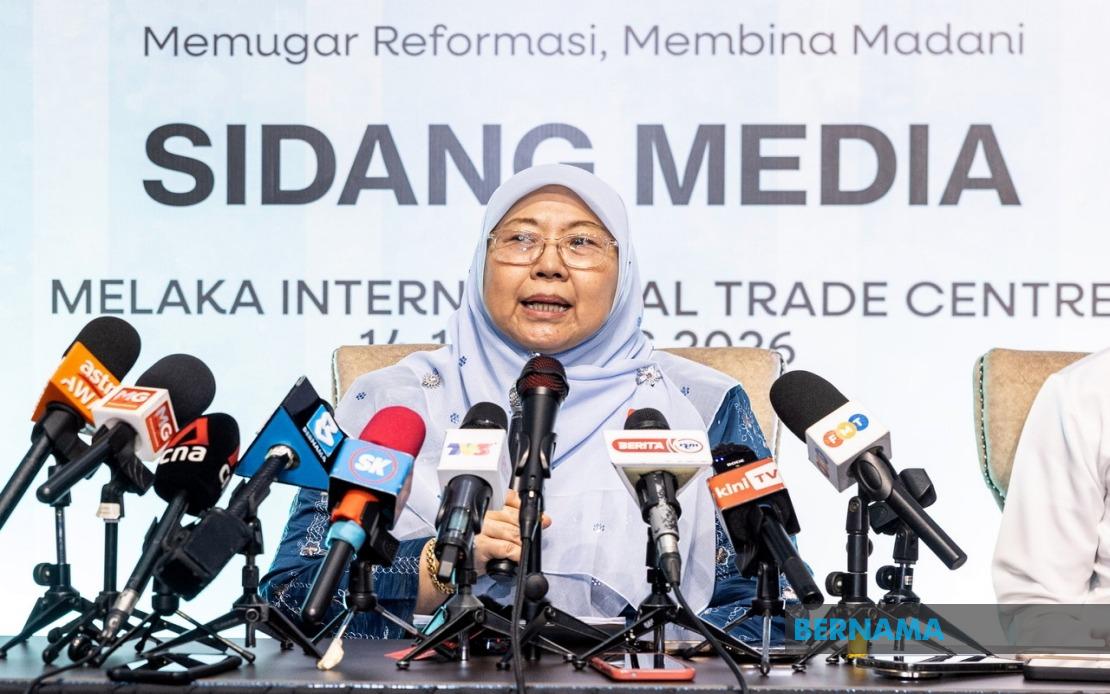
PKR secretary-general Senator Datuk Dr Fuziah Salleh disclosed the decision during a press briefing in Melaka on August 14, held on the sidelines of the party's 2026 National Congress hosted at the Melaka International Trade Centre in Ayer Keroh. The announcement comes as Nurul Izzah, daughter of PKR president Anwar Ibrahim, prepares to step back from her frontline party obligations, though her departure will occur only after the three-day congress concludes. Until then, she will continue to discharge her duties fully, including presiding over the Angkatan Muda Keadilan and Wanita PKR congresses, participating in substantive debates, and delivering closing remarks on behalf of party leadership.
The absence of a fixed timeline for Nurul Izzah's return underscores PKR's attempt to demonstrate progressive governance by permitting key figures space for personal enrichment without imposing artificial deadlines. Fuziah emphasised that the party welcomes Nurul Izzah back to her position at whatever juncture she completes her studies and feels prepared to re-engage fully with her responsibilities. This approach contrasts with traditional party structures that typically require specific leave periods and formal notification of resumption dates, suggesting PKR's willingness to adapt institutional frameworks to accommodate contemporary circumstances.
Nurul Izzah's decision to pursue further education while serving as deputy president of a major political party represents a significant moment for PKR and the broader Malaysian opposition. As a prominent figure in her own right and a bridge between her father's generation and younger party cadres, her temporary withdrawal from active duties raises questions about succession planning and the depth of institutional leadership within the party. Her influence extends beyond parliamentary representation, encompassing roles in policy formulation and youth engagement that will require careful management during her absence.
The timing of this arrangement, occurring just before the 2026 National Congress, provides an opportunity for PKR to present itself as an organisation capable of supporting the development ambitions of its leaders rather than viewing such pursuits as diversions from party work. The congress itself is expected to serve as a platform for broader discussions regarding the party's strategic direction, internal reforms, and mechanisms for strengthening institutional resilience. Delegates will have latitude to propose and debate motions addressing party consolidation, suggesting that leadership discussions may have already identified the need for deeper organisational changes beyond personnel shifts.
Fuziah indicated that PKR president Anwar Ibrahim will use his policy speech to articulate the party's fundamental principles, envisioned trajectory, and comprehensive institutional reform agenda. Such addresses traditionally set the tone for party discourse and signal priorities to both rank-and-file members and external observers. The emphasis on institutional reform suggests awareness within PKR's top ranks that organisational challenges require systematic attention rather than ad-hoc responses, particularly as the party continues to position itself as a central force within Malaysia's broader political landscape.
From a governance perspective, Nurul Izzah's situation reflects evolving attitudes toward work-life balance and continuous learning among Malaysia's political elite. Unlike previous generations that often viewed party commitment as requiring total availability, contemporary leaders increasingly pursue formal qualifications and professional development while maintaining political roles. This shift, whether viewed as progressive modernisation or potential dilution of focus, carries implications for how Malaysian parties operate and how voters assess their leaders' dedication and capabilities.
The decision also carries diplomatic undertones within PKR's coalition dynamics. As the deputy president and a trusted voice with strategic connections, Nurul Izzah's reduced visibility during her study period may affect internal party mechanisms and inter-party coordination within Pakatan Harapan. Other coalition members will need to adjust to her absence, potentially accelerating decisions that might otherwise await her input. This temporal compression could test both PKR's bench strength and the alliance's cohesion during a period when Malaysian politics remains fluid and opposition coordination crucial.
Looking forward, Nurul Izzah's leave raises questions about succession dynamics and knowledge transfer within PKR. Whether this period serves as a testing ground for other leaders to demonstrate their capabilities, or whether it represents a strategic pause before enhanced responsibilities, remains unclear. The flexibility granted to her stands in contrast to rigid party hierarchies that some Malaysian political organisations maintain, suggesting PKR leadership views accommodating such arrangements as consistent with their stated commitment to progressive governance principles.
The absence of a specific return date ultimately reflects confidence within PKR's leadership that the party possesses sufficient organisational depth to function effectively during Nurul Izzah's leave. Whether this confidence proves warranted will become evident in coming months as the party navigates routine challenges and strategic decisions without the direct involvement of its second-ranking executive. For Malaysian observers tracking opposition politics, this development underscores the tension between individual advancement and collective organisational demands that increasingly characterises modern political management in the country.

