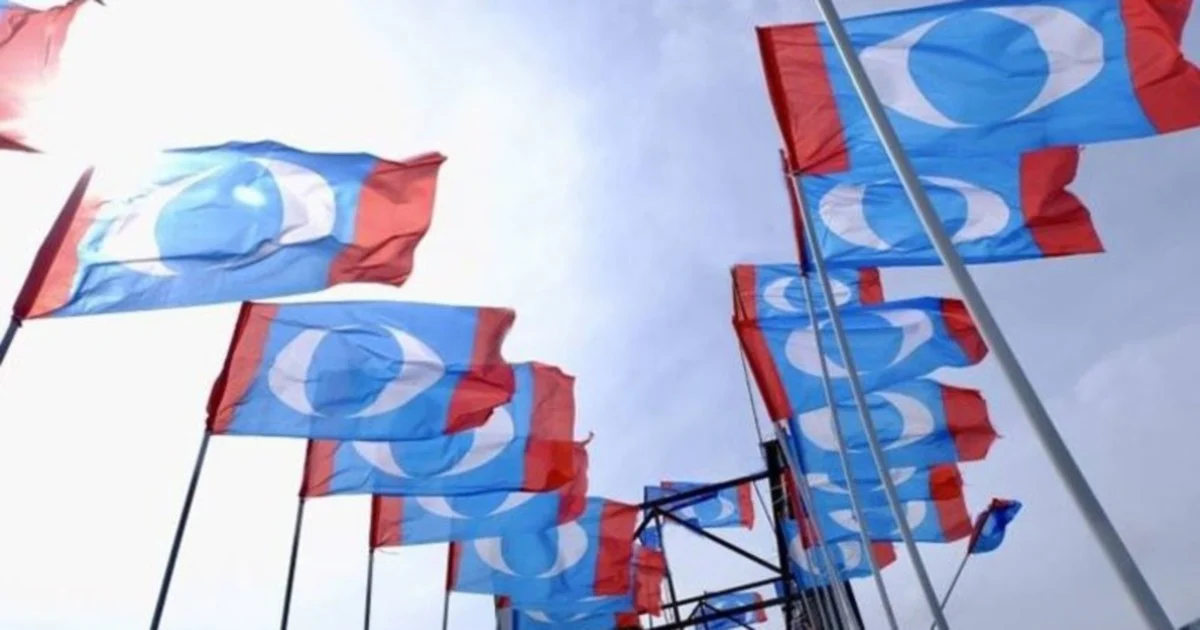
PKR's preparations for the impending Johor and Negeri Sembilan state elections have entered the final phase, with party secretary-general Datuk Dr Fuziah Salleh confirming that the candidate selection process is nearly complete. Speaking in Johor Baru, she revealed that the party's roster of candidates stands at 99 per cent finalisation, suggesting that only minor adjustments remain before the official announcement.
The near-completion of PKR's candidate list marks a critical juncture in the party's electoral strategy for these two significant state contests. The Reformasi party, which has emerged as a leading force within the Pakatan Harapan coalition, has been methodical in assembling its team of candidates across multiple constituencies in both states. This careful approach reflects the high stakes involved, as these state elections could reshape the political landscape in two economically important regions of Malaysia.
Johor, being the nation's second-most populous state and a crucial economic hub in the southern corridor, holds particular significance for PKR's ambitions. The state's diverse electorate and competitive political environment have necessitated thorough deliberation in candidate selection. Similarly, Negeri Sembilan, with its mixed urban-rural demographic, presents its own set of strategic considerations. PKR's focus on these two states underscores their recognition of these regions as pivotal battlegrounds in Malaysia's evolving political contest.
The finalisation of candidate lists at this advanced stage allows parties to commence intensive campaign groundwork. With nominations likely occurring soon, having a confirmed roster enables PKR to mobilise party machinery, coordinate electoral messaging, and build momentum in target constituencies. The timing is particularly crucial as voter perception often crystallises in the weeks leading up to nomination day.
Fuziah's announcement offers stakeholders—party members, coalition partners, and political observers—concrete indicators of PKR's confidence level and strategic positioning. A 99 per cent completion rate suggests that the party leadership has largely resolved internal deliberations and factional concerns that often complicate candidate selection in Malaysian political parties. However, the remaining one per cent indicates flexibility for last-minute adjustments should unforeseen circumstances arise, such as sudden withdrawals or eligibility issues.
The candidate selection process in Malaysian politics remains notoriously complex, particularly within multiethnic coalitions where balance across communal lines, regional representation, and ideological alignment all demand careful calibration. PKR's methodical approach reflects lessons learned from previous electoral cycles, where rushed or controversial selections have sometimes undermined campaign effectiveness. The party appears determined to avoid such pitfalls.
For the broader Pakatan Harapan coalition, PKR's progress in finalising its candidates has cascading implications. Coalition coordination requires clarity on candidate distributions to prevent clashes between member parties. With PKR's list largely confirmed, the coalition can proceed with finalising arrangements for its other components—DAP, Amanah, and potentially others—creating a more coherent unified front against competing coalitions.
From a regional Southeast Asian perspective, these Malaysian state elections carry relevance beyond domestic politics. They test the sustainability of multiethnic democratic coalitions in managing plural societies, a concern shared across several nations in the region. The manner in which parties like PKR navigate internal diversity whilst maintaining electoral competitiveness offers lessons for other democracies grappling with similar challenges.
The near-completion of PKR's candidate selection also reflects the party's organisational capacity and internal cohesion. Under Anwar Ibrahim's leadership, PKR has positioned itself as an aspirational force for reform-minded voters. The candidate roster will substantially determine whether this positioning translates into electoral traction, making the final selection decisions consequential for the party's trajectory.
As Malaysia enters what promises to be an active electoral period with multiple state contests scheduled, the momentum generated by advanced campaign preparations becomes significant. PKR's readiness suggests the party intends to capitalise on every opportunity to connect with voters before polling day. The completion of candidate selection represents a transition from internal party processes to external engagement with the electorate.
Looking ahead, observers will scrutinise the final confirmed list for clues about PKR's strategic priorities, candidate quality, and coalition dynamics. The composition—in terms of newcomers versus incumbents, demographic representation, and ideological orientation—will reveal much about the party's vision for governance in these two states. Such analysis will provide crucial context for understanding electoral outcomes once voting occurs.
The path to finalising candidates in any election cycle involves intricate political negotiations, merit assessments, and pragmatic calculations. That PKR's process has reached 99 per cent suggests the party has navigated these complexities reasonably successfully. With only minor refinements pending, the party appears positioned to launch its campaign machinery effectively, making the final announcement a significant milestone in the journey toward the Johor and Negeri Sembilan state elections.

