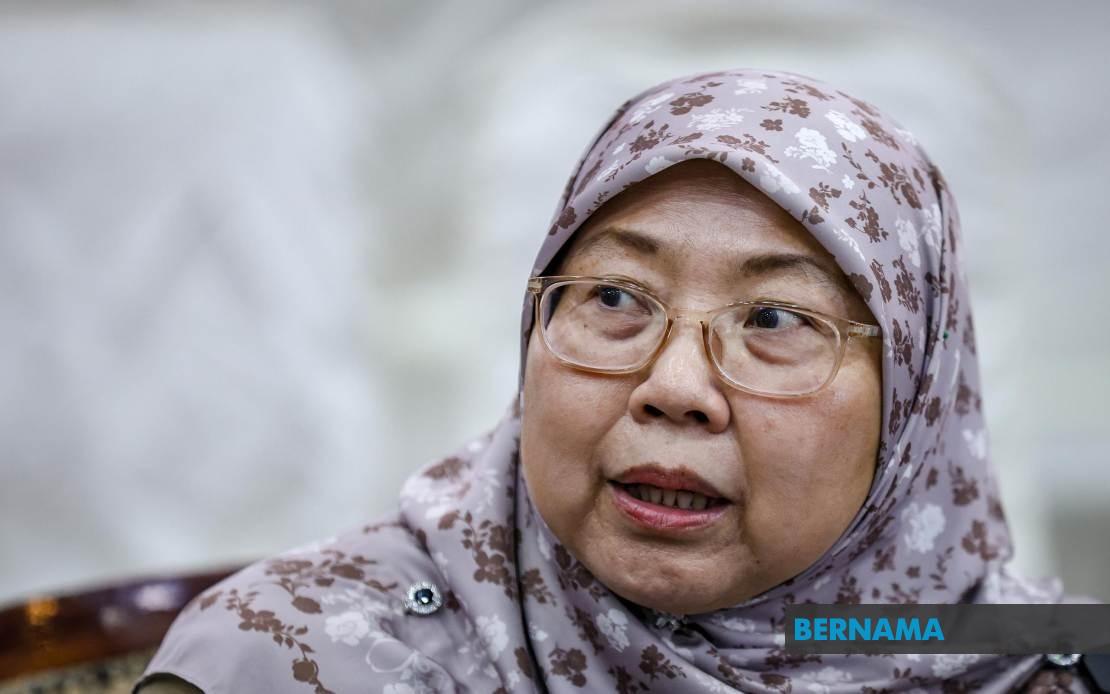
Parti Keadilan Rakyat has moved swiftly to clarify its membership records after widespread speculation on social media suggested that prominent businessman Datuk Seri Nicky Liow Soon Hee held an active membership with the party. PKR secretary-general Datuk Dr Fuziah Salleh issued a formal statement on July 26 confirming the verification results, which showed no connection between the businessman and the party.
The clarification came after an image circulating online showed Liow attired in an Angkalan Muda Keadilan shirt, the youth wing of PKR. The photograph generated considerable online discussion, with numerous commentators claiming it demonstrated his affiliation with the political party. The viral nature of the image prompted PKR to conduct an official investigation into his membership status using its internal database systems.
Fuziah explained that the party undertook a thorough examination through the KEADILAN Membership System to verify whether Liow held active membership or had previously applied to join. Her statement indicated that the database search yielded no records of the businessman appearing on the party's membership roll. Furthermore, the verification process found no evidence that he had ever submitted a formal application for membership consideration, effectively closing off the possibility that he was in some preliminary stage of joining.
The social media-driven speculation about Liow's political affiliations arrives amid a more turbulent period in his personal legal affairs. In recent months, he has faced criminal charges in the Shah Alam Sessions Court relating to his alleged involvement with an organised crime network known colloquially as the "Nicky Gang." These charges carry serious implications, with prosecutors alleging connections to money laundering operations and coordinated criminal activity. The convergence of these legal proceedings with public speculation about his political connections underscores the heightened scrutiny he faces.
The emergence of the photograph wearing party youth wing regalia raises questions about how such imagery circulates within Malaysian political discourse. The incident illustrates the speed at which social media can amplify unverified claims about political figures and their alleged associates, creating situations where political parties must expend resources on formal denials. For PKR, the clarification was necessary to prevent lingering association between the party brand and an individual facing serious criminal allegations.
Political associations carry considerable weight in Malaysian discourse, where connections between business figures and political parties frequently attract media attention and public scrutiny. The alignment of politicians with business interests has long been a feature of Malaysian political economy, making such questions of membership and affiliation matters of public interest. PKR's prompt response demonstrates awareness that failing to address such claims could allow misconceptions to become entrenched in public perception.
The incident also reflects broader challenges facing political parties in the digital age, where image-based claims can spread rapidly before verification occurs. The party's reliance on its internal KEADILAN Membership System to conduct such verification speaks to the establishment of formal procedures for addressing membership inquiries. This systematic approach contrasts with the informal networks through which political influence has traditionally circulated in Malaysia.
Liow's legal troubles represent a separate dimension affecting his public profile. The "Nicky Gang" designation attached to the criminal charges suggests an operation of some scale and sophistication, with money laundering allegations pointing to international dimensions of the alleged criminal activity. Such serious allegations naturally invite closer examination of his associations across multiple spheres, including political ones.
For Malaysian observers following political developments, the episode underscores the importance of distinguishing between genuine party membership and incidental connections or imagery. The clarity provided by PKR's formal statement helps establish clear boundaries between the party organisation and individuals who may appear in party-affiliated contexts without holding formal membership status. This distinction becomes particularly important when individuals face legal complications that might otherwise create guilt-by-association dynamics affecting party reputation.
The timing of PKR's clarification also reflects institutional maturity in responding to misinformation. Rather than allowing speculation to persist, the party engaged directly with its membership records and provided transparent information about what those records contained. Such responsiveness contributes to public confidence in the integrity of party structures and record-keeping.
Moving forward, this incident may prompt greater awareness among social media users about verifying claims before amplifying them through digital platforms. For political parties themselves, it demonstrates the value of maintaining accessible systems for rapid verification of membership status when public questions arise. The balance between protecting party brand reputation and ensuring transparency about membership and affiliation decisions remains an ongoing challenge for Malaysian political organisations navigating the contemporary information landscape.

