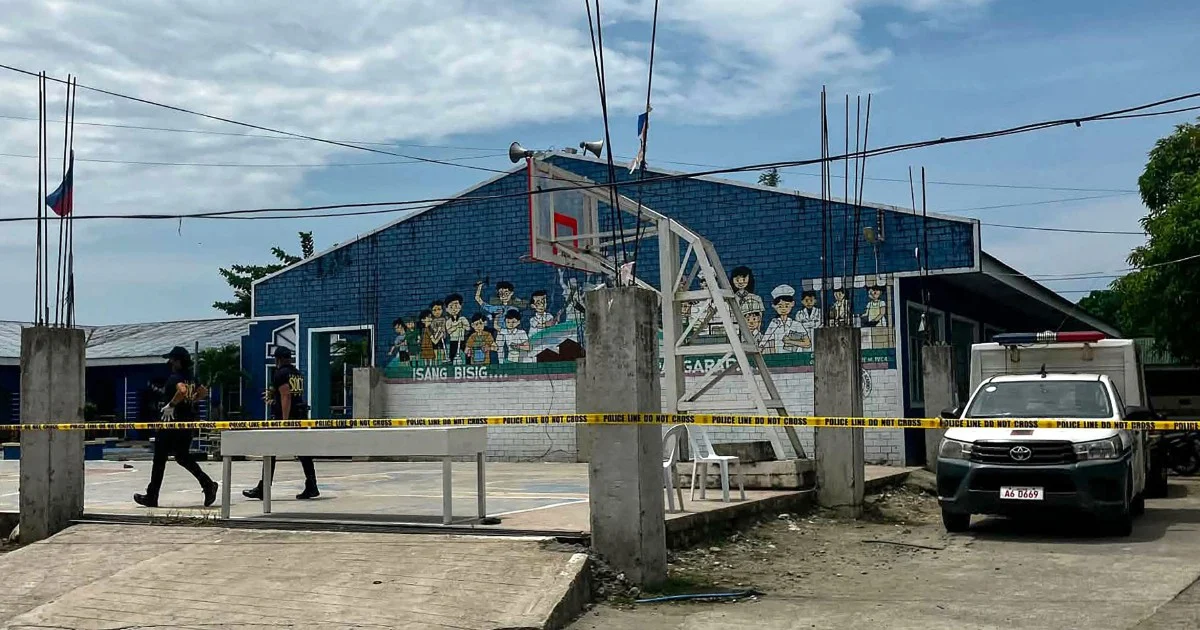
Philippine President Ferdinand Marcos Jr has directed authorities to conduct a comprehensive investigation into a fatal shooting incident at a school in Tacloban City that resulted in three deaths and five injuries. The presidential directive, issued on Monday, reflects the administration's commitment to addressing the incident with urgency and establishing accountability for what constitutes a rare and deeply troubling occurrence of armed violence within an educational institution in the Philippines.
The Tacloban shooting represents a significant breach of safety within a school environment, where students and staff members should be protected from such threats. The presence of firearms leading to loss of life within an academic setting has sparked immediate concerns among parents, educators, and government officials throughout the nation. Such incidents are notably uncommon in the Philippines compared to certain international contexts, making this particular event especially alarming to the public and policymakers alike.
The death toll of three victims, combined with five individuals sustaining injuries, demonstrates the severity and destructive capacity of the incident. The number of wounded suggests a chaotic situation that unfolded rapidly, leaving multiple people requiring immediate medical attention and care. Hospital officials in the region would have been mobilised to handle the sudden influx of trauma casualties, straining healthcare resources and highlighting the cascading impacts of gun violence beyond the immediate fatalities.
Tacloban City, the capital of Leyte province in the Eastern Visayas region, has historically been vulnerable to various security challenges, including organised crime and illegal firearms proliferation. The city's location and socioeconomic conditions have made it a focal point for law enforcement efforts aimed at curbing illegal weapons and reducing violent crime. A shooting within a school setting represents a particularly brazen and alarming escalation that cuts across established security zones that are typically prioritised for protection.
The presidential investigation order signals an expectation that all relevant details surrounding the incident will be thoroughly examined. Investigators will likely focus on establishing the identity of the perpetrator or perpetrators, their motivations, and how they gained access to firearms and the school premises. Determining whether the shooting was motivated by personal grievances, criminal activity, or other factors will be central to understanding how such an incident could occur and what preventive measures might be implemented.
School safety protocols across the Philippines will come under scrutiny following this incident. Educational administrators and the Department of Education may be expected to review and strengthen security measures at institutions nationwide. This could involve enhanced access controls, security personnel presence, emergency response procedures, and coordination with local police forces. The incident underscores the vulnerability of public institutions despite their community-focused missions.
The psychological impact on the school community and the broader public cannot be understated. Students who witnessed the shooting will require trauma counselling and psychological support to process the violence and loss of classmates or teachers. Parents throughout the region will likely demand reassurances about school safety, potentially influencing confidence in educational institutions. The incident may prompt broader societal discussions about gun control, mental health services, and security infrastructure within public spaces.
For Southeast Asia more broadly, the incident highlights how gun violence, while less prevalent than in certain other regions globally, remains a persistent security concern across the Philippines and neighbouring countries. The accessibility of illegal firearms through smuggling networks and loose enforcement of weapons regulations creates conditions where such tragedies can occur. Regional cooperation on intelligence sharing and border security to interdict illegal arms trafficking may become increasingly relevant.
The investigation will establish whether the perpetrator possessed the firearm legally or through illegal channels, with significant implications for firearms regulation and enforcement. If illegal weapons were used, it would suggest gaps in the government's capacity to prevent unauthorised arms circulation. If a legally registered weapon was misused, questions would arise about proper storage, licensing verification, and background screening procedures. Either scenario points to systemic vulnerabilities requiring attention.
President Marcos's administration has signalled its intent to maintain public order and ensure accountability for major incidents affecting public safety. The investigation will likely be high-profile and subject to intense media scrutiny and public interest. Its findings and any subsequent actions taken against responsible parties will influence public perception of the government's ability to protect citizens in spaces traditionally considered secure, such as educational institutions.
The incident also raises questions about mental health services and early intervention systems that might identify and support individuals at risk of violence. The Philippines, like many developing nations, has limited mental health infrastructure and awareness programmes. Whether addressing such psychological factors could have prevented this particular incident will form part of the broader investigative narrative and subsequent policy discussions.
As details emerge from the investigation, the incident will likely catalyse broader conversations about school security, community policing, and violence prevention strategies. The focus on determining what happened in Tacloban reflects a recognition that understanding root causes and systemic factors is essential for preventing similar tragedies. The government's response will be watched closely by international observers and regional security analysts monitoring the Philippines' capacity to address emerging public safety challenges.

