A school shooting in Tacloban City on June 22 that left three students dead and 20 wounded has exposed a fundamental contradiction in Philippine law: two teenagers of nearly identical ages faced vastly different legal consequences for the same alleged crime. The incident, among the deadliest school shootings in recent Philippine history, has catalysed an intense national reckoning over whether the country's juvenile justice framework adequately protects society or instead shields dangerous young offenders from accountability.
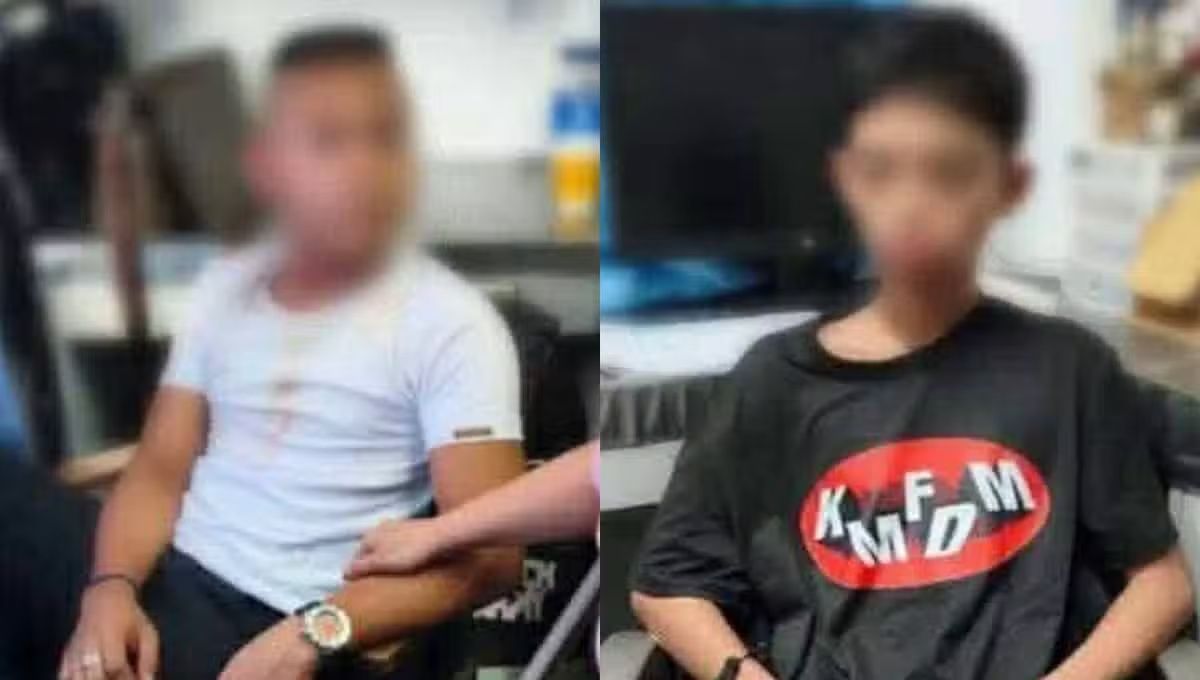
The two Grade 9 suspects were 14 and 15 years old, both reportedly victims of sustained bullying who opened fire at San Jose National High School in Leyte. Their arrest immediately illustrated the law's arbitrary boundary. The 15-year-old faces multiple counts of murder and frustrated murder, exposing him to potential life imprisonment. The 14-year-old, however, cannot be criminally prosecuted under the Juvenile Justice and Welfare Act of 2006 and will instead be channelled toward a rehabilitation centre called House of Hope, designed for children in conflict with the law. This distinction has devastated the families of victims who feel justice has been compromised.
Erbea Fabian, whose 15-year-old son Chris Lorenz was killed, expressed the anguish of bereaved parents confronting a legal system they view as inadequate. She identified the younger suspect as the primary shooter responsible for her son's death, yet powerless under the law to see him face criminal charges. Jenny Baldoria, mother of 16-year-old Joyancee, echoed her despair, unable to comprehend how forgiveness could be expected when the accused teenager allegedly murdered her child. The emotional weight of these accounts has amplified public pressure on lawmakers to reassess the minimum age of criminal responsibility, which currently stands at 15—one of the highest in Asia.
The timing of the shooting has intensified the debate considerably. The incident occurred amid a troubling surge of student violence nationwide. Authorities thwarted a potential mass shooting at another Leyte school only days later, while three separate stabbing incidents were recorded on campuses across different regions within the same week. This pattern of escalating school-based violence has convinced government officials that legislative action is necessary rather than optional. President Ferdinand Marcos Jr has signalled openness to lowering the criminal responsibility threshold, fundamentally shifting the political landscape around juvenile justice.
Law enforcement agencies have emerged as forceful advocates for reform. The Philippine National Police has proposed lowering the threshold to 12 years old, with spokesperson Allen Rae Co referencing cases where children as young as nine have engaged in criminal activity. Interior Secretary Jonvic Remulla has highlighted a particular concern: drug syndicates deliberately employ minors in trafficking and distribution precisely because the current law shields them from criminal prosecution. This strategic exploitation of legal loopholes has resonated with policymakers, lending institutional weight to reform proposals. Senator Robin Padilla has filed legislation seeking to lower the age to 10, directly challenging what he characterises as an outdated legal framework that increasingly fails to address modern juvenile delinquency.
Investigators have uncovered troubling details about the 14-year-old suspect's online behaviour, adding a technological dimension to the reform debate. The teenager had been posting violent videos online before the attack and was substantially influenced by online content, particularly a first-person shooting game called GoreBox. Manufactured by German company F2Games, the game features explicit combat scenarios with extensive arsenals of weapons and explosives. The government temporarily blocked access to the platform while investigating its potential role in motivating the shooting. This discovery has catalysed calls for legislation restricting minors' access to violent digital content, expanding the policy conversation beyond age of criminal liability to encompass media regulation.
Philippine lawmakers face considerable international pressure as they contemplate reform. The country currently maintains one of Asia's highest minimum ages of criminal responsibility. Regional neighbours have adopted lower thresholds: Indonesia sets its floor at 12, Singapore at 10, and most other Southeast Asian nations at 14. However, the United Nations Committee on the Rights of the Child has taken a firm stance opposing any lowering of thresholds already above 14, deeming minimums below 12 internationally unacceptable. This UN position creates a substantive tension between domestic political demands for harsher juvenile accountability and international human rights frameworks designed to protect children from premature criminalisation.
Singapore's model provides a potentially instructive regional example. Offenders between 10 and 16 in Singapore can face charges, with cases typically managed through a dedicated Youth Court system. This approach attempts to balance accountability with age-appropriate intervention, avoiding the binary choice between full criminal prosecution and complete exemption that currently characterises Philippine law. Whether the Philippines might adopt a comparable framework remains uncertain, but Singapore's experience suggests that lowering the formal age of responsibility need not necessarily mean subjecting young offenders to adult criminal penalties.
However, critics argue that lowering the age of criminal responsibility may address symptoms rather than root causes. Tricia Clare Oco, executive director of the Juvenile Justice and Welfare Council, has cautioned against a narrow focus on raising accountability at the expense of understanding what drives violent behaviour among young people. She contends that the real drivers of school violence are family disintegration, chronic bullying, peer pressure, and a media environment that normalises harm—factors that simply lowering the criminal responsibility age will not resolve. Oco pointed to American jurisdictions with stricter juvenile laws that nonetheless continue experiencing school shootings, suggesting that punitive measures alone prove insufficient as a violence prevention strategy.
Under existing Philippine law, courts already possess significant powers that reform advocates sometimes overlook. They can order involuntary commitment to House of Hope facilities within 72 hours, mandating structured rehabilitation and imposing civil liability on parents. Oco argues that current legislative tools, properly utilised, could satisfy public demands for accountability without lowering the formal age threshold or abandoning rehabilitation principles. This perspective represents a significant counterweight to reform momentum, insisting that the challenge lies not in changing laws but in implementing existing ones more effectively and rigorously.
The Tacloban shooting has triggered multiple official investigations running parallel to the legislative debate. The Philippine Senate and the Commission on Human Rights have both launched formal inquiries, signalling that this incident will receive sustained institutional scrutiny beyond the immediate news cycle. The Commission on Human Rights emphasised that any response must adhere to human rights principles and child-sensitive approaches, attempting to calibrate justice with protection. This multi-institutional engagement reflects recognition that the issues raised extend beyond criminal liability to encompass broader questions about school safety, mental health support, bullying prevention, and online platform responsibility.
As the Philippines confronts whether to reform its juvenile justice system, the nation faces competing imperatives: responding to bereaved families demanding accountability, addressing a perceived surge in youth violence, respecting international human rights norms, and maintaining commitment to rehabilitation principles rather than purely punitive approaches. The Tacloban shooting has crystallised a fundamental debate about childhood, responsibility, and justice that will define Philippine policy for years ahead.

