The Philippine Department of Justice has initiated a probe into potential criminal charges against public officials in connection with a shooting incident at the Senate building on May 13 and the subsequent escape of Senator Ronald dela Rosa from protective custody early the next morning. Justice Secretary Fredderick Vida confirmed that prosecutors on the DOJ panel are actively pursuing leads to establish any connection between these two events, marking a significant development in what has become a high-profile case drawing intense scrutiny from the public and media.
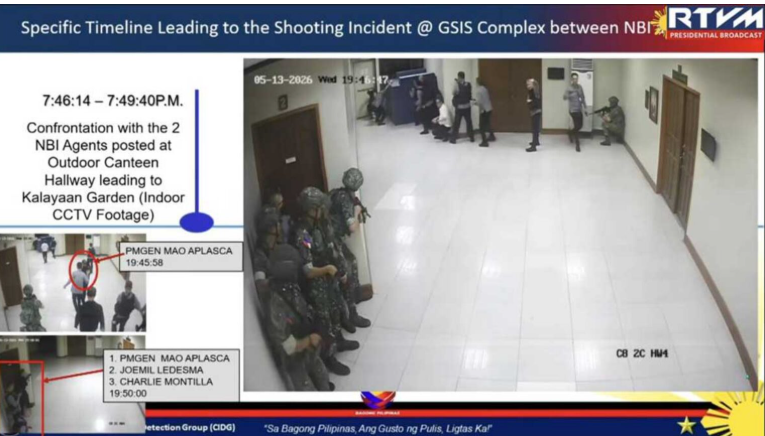
According to Vida, the investigation team has gathered multiple forms of evidence to support their inquiry. The National Bureau of Investigation has provided accounts from its personnel, while media practitioners who were present have also offered testimony. Crucially, closed-circuit television footage has emerged showing what investigators believe to be sniper fire directed from the fifth floor of the Senate building toward an identifiable NBI vehicle stationed at the GSIS premises. This visual evidence represents a critical component in the prosecution team's attempt to piece together the sequence of events and establish potential motives.
The targeting of an NBI vehicle raises significant questions about the coordination between various state agencies and whether any government officials may have been involved in orchestrating or facilitating the shooting. The precision nature of sniper fire from a specific location within the Senate building suggests a level of planning and access that would implicate individuals with knowledge of the building's layout and security protocols. Such details could prove essential in determining whether this was an isolated criminal act or part of a broader conspiracy involving multiple actors within the government apparatus.
Vida emphasised that the investigative process remains in its preliminary stages, cautioning against premature conclusions while multiple inquiries continue simultaneously. When pressed about whether specific individuals had been identified as persons of interest, he declined to confirm names but acknowledged that preliminary findings point toward several personalities holding public office. This carefully worded response suggests investigators have already compiled sufficient documentation to narrow their focus, though they are proceeding methodically to ensure all evidentiary standards are met before formal charges are filed.
The involvement of high-ranking government officials in what ostensibly appears to be a security lapse or active conspiracy has profound implications for institutional confidence and the rule of law in the Philippines. Such scenarios test the independence of the justice system and its willingness to pursue investigations impartially regardless of the rank or political connections of those involved. Vida's statement that no individual stands above the law carries particular weight given the political sensitivities surrounding a sitting senator and potential involvement by other officials.
The timing of dela Rosa's departure from custody, occurring within hours of the Senate shooting, has naturally fuelled speculation about possible coordination. Whether he was fleeing danger, facilitating an escape to avoid questioning, or responding to direct orders remains unclear. The escape itself represents a separate matter potentially involving charges of evading security details and obstruction of investigations, compounding the criminal liability that may face multiple defendants once formal charges are prepared.
For Malaysia and other Southeast Asian nations closely monitoring Philippine governance, this development underscores the ongoing challenges facing democratic institutions in the region. Security lapses at legislative facilities and the potential involvement of state officials in violence represent threats to institutional stability that resonate across borders. The manner in which the Philippine justice system handles this investigation will signal the strength of legal oversight mechanisms and the credibility of official accountability structures.
Vida's assurance that the department will pursue the matter with professional objectivity and without fear or favour addresses public concern that political considerations might influence the investigation's trajectory. His concurrent reminder that no person should face prejudgement before full evidence examination reflects international legal standards, yet such statements often generate cynicism when powerful officials are involved. The balance between investigating thoroughly and protecting the presumption of innocence becomes harder to maintain when public office holders are subjects of inquiry.
The investigation's success will depend significantly on the DOJ's ability to secure cooperation from potentially hostile witnesses within government institutions, preserve sensitive evidence, and resist pressure that may be applied through various channels. The presence of video footage and multiple eyewitness accounts provides a factual foundation that extends beyond testimony alone, potentially strengthening the prosecution's eventual case regardless of external pressures. However, translating raw evidence into actionable charges requires navigating complex procedural requirements and political landscape considerations that characterise Philippine judicial proceedings.
As the investigation advances, its public dimensions will likely expand. Media coverage will intensify, political actors will position themselves strategically, and public opinion may crystallise around competing narratives about the events of May 13 and 14. The DOJ faces pressure to demonstrate transparency while protecting investigative integrity, a delicate balance that demands clear communication and unwavering commitment to procedural fairness. The ultimate success of this investigation will be measured not merely by charges filed, but by whether the process itself restores public confidence in institutional accountability.