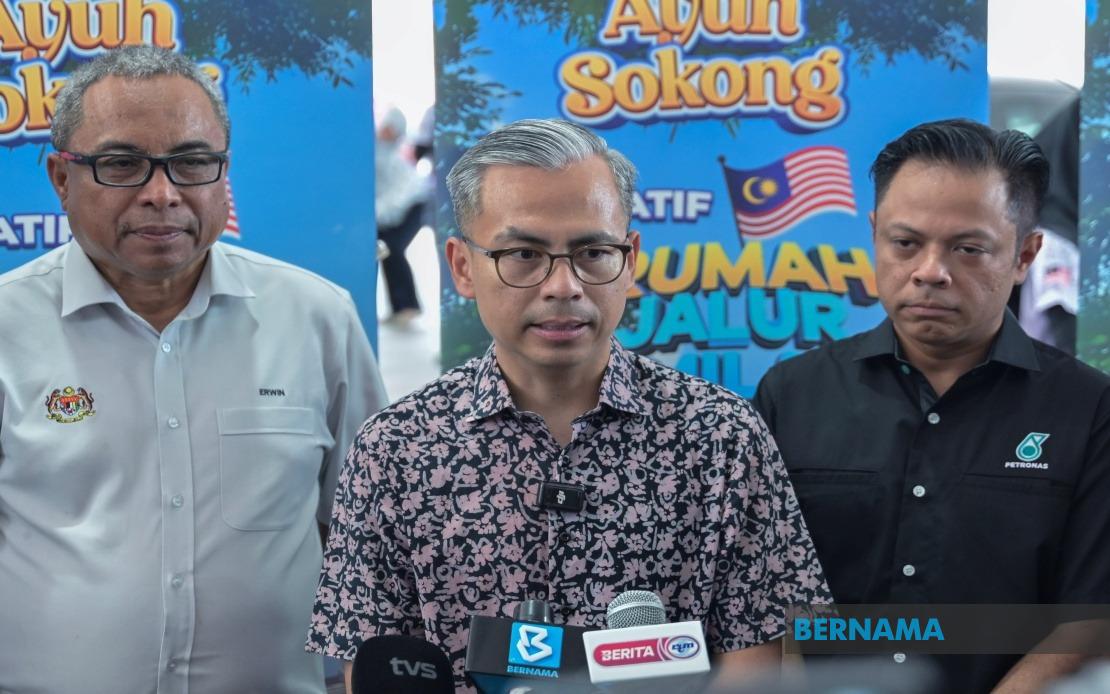
Pakatan Harapan has signalled openness towards Barisan Nasional's recent indication that it is prepared to discuss seat allocation arrangements ahead of the forthcoming Melaka state election. Datuk Seri Fahmi Fadzil, the communications director of PH and minister responsible for the portfolio, described the coalition's flexibility on this matter as a worthwhile prospect deserving serious examination. The statement came during remarks made at a community event in the Lembah Pantai area of Kuala Lumpur, suggesting that both major political blocs may be reconsidering their approach to electoral cooperation at the state level.
The current distribution of legislative seats in Melaka presents a significant imbalance that appears to be driving these discussions. Barisan Nasional currently commands 21 of the state assembly positions, whilst Pakatan Harapan holds just five seats, a disparity that PH acknowledges reflects the political realities on the ground. This substantial gap has effectively shaped the context in which both coalitions are approaching negotiations, with PH explicitly recognising that any seat arrangements must account for these existing power dynamics and the electoral support each bloc commands among Melaka voters.
Direct engagement between the two coalitions has already commenced at the state level, with Adam Adli, the Melaka chairman of Keadilan, maintaining personal contact with Datuk Seri Ab Rauf Yusof, who serves as Melaka's Chief Minister. This channel of communication appears to be the primary vehicle through which discussions about seat distribution are being conducted, suggesting a structured approach to negotiations rather than informal or public posturing. The involvement of senior state-level figures indicates that these discussions carry genuine weight and are not merely rhetorical positioning for political audiences.
Fahmi's comments suggest that both state and federal political considerations may influence the final outcome of these negotiations. He indicated that various arrangements could potentially be worked out across both state and national levels, implying that trade-offs or arrangements affecting seats in different jurisdictions might form part of a broader political settlement. This multi-layered approach to coalition negotiations reflects the increasingly complex nature of Malaysian politics, where state-level electoral outcomes often have implications for federal power dynamics and vice versa.
Barisan Nasional's formal position on this matter emerged through statements from the coalition's chairman, Datuk Seri Dr Ahmad Zahid Hamidi. He articulated that BN remains willing to engage in discussions about seat distribution or even swapping arrangements with coalition partners, provided such negotiations are conducted with transparency and sincerity. However, Ahmad Zahid also emphasised a critical boundary condition: any agreement must not erode the absolute number of seats that BN itself would contest or win, a stipulation that underscores the coalition's determination to protect its core electoral interests in Melaka.
The principle outlined by the BN chairman establishes a framework within which seat-sharing discussions might proceed. Rather than proposing entirely new seat divisions that would reduce BN's footprint in the state assembly, the coalition appears to be suggesting that negotiations might focus on technical adjustments or cooperative arrangements that preserve each major bloc's seat count whilst potentially improving overall electoral efficiency or reducing three-cornered contests. This approach allows for collaboration without requiring either side to make substantive concessions regarding its fundamental electoral base.
For Pakatan Harapan, welcoming BN's openness carries both strategic and symbolic significance. The five seats currently held by PH in Melaka represent a minority position, and demonstrating willingness to engage constructively with the dominant coalition could enhance PH's credibility as a responsible political force. Additionally, any improvements to PH's position through negotiated seat arrangements would be viewed as progress, particularly if achieved through dialogue rather than through contested electoral battles where the numbers suggest BN would likely prevail.
The timing of these discussions reflects broader patterns in Malaysian politics, where coalition arrangements at state level have become increasingly flexible and pragmatic. Unlike the rigid two-bloc confrontation that characterised earlier periods, contemporary Malaysian electoral politics frequently features fluid alliances and negotiated settlements. The Melaka situation exemplifies this trend, with both major coalitions apparently recognising that constructive engagement might yield better outcomes than pure adversarial positioning.
For Malaysian readers and observers, these developments in Melaka carry implications extending beyond that state alone. Successful negotiations between PH and BN on seat distribution would suggest that cooperation between the two largest political coalitions remains possible on specific issues, potentially influencing dynamics in other states or at the federal level. Conversely, should negotiations break down, the resulting competitive environment might reshape the state's political landscape in unpredictable ways.
The emphasis on honesty and sincerity in negotiations, articulated by both sides, suggests an awareness that any agreement must withstand public scrutiny and appear legitimate to respective party members and supporters. This concern with the perception of fairness indicates that whilst pragmatism drives these discussions, both PH and BN remain conscious of the need to maintain internal party cohesion and public credibility. The way these negotiations conclude will likely influence how both coalitions approach similar situations in other Malaysian states facing elections.

