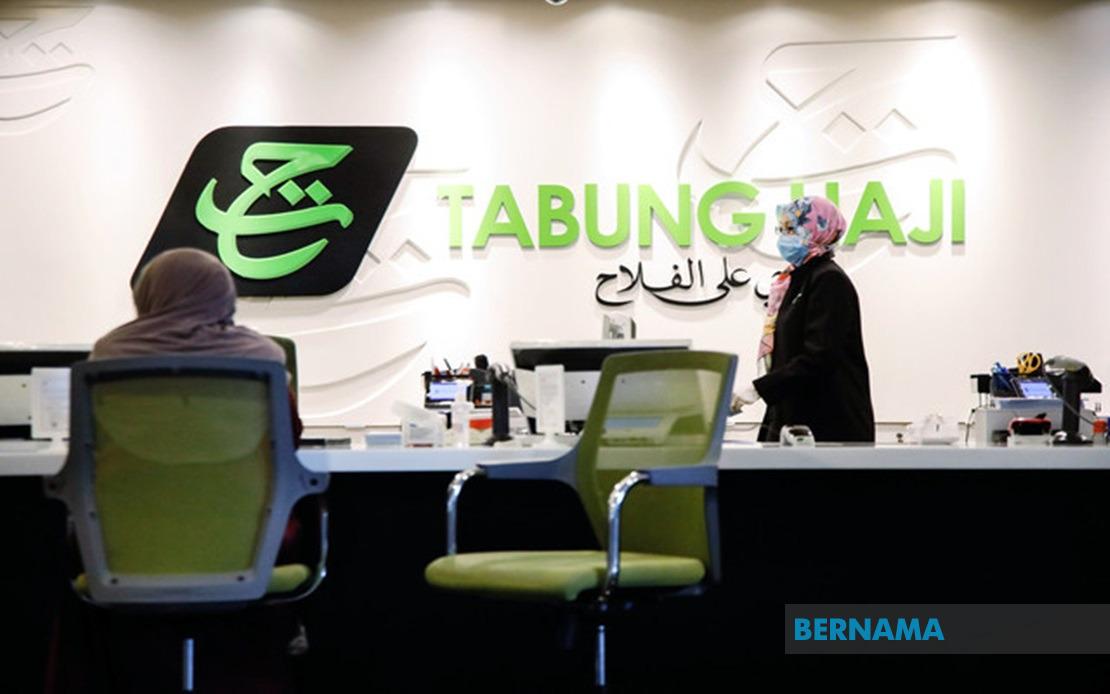
The opposition coalition Pakatan Harapan has stepped up pressure on the government to move decisively against misconduct within Tabung Haji following the public release of the Royal Commission of Inquiry report into the pilgrim fund's operations. In a statement from Seremban, the coalition's Election Department Secretariat chief Saifuddin Shafi Muhammad underscored the urgent need for comprehensive investigations and resolute legal action against those implicated in wrongdoing, stressing that the nine million depositors whose savings rest with the fund deserve nothing less than full accountability.
The RCI report, which spans 211 pages and examines Tabung Haji's management and operations between 2014 and 2020, was declassified by the Cabinet and subsequently published on the Department of Islamic Development Malaysia's website. The decision to make the document public followed an announcement by Communications Minister Datuk Seri Fahmi Fadzil, signalling the government's stated commitment to transparency and good governance in addressing historical lapses within the institution.
According to Saifuddin, any discovered evidence of misconduct or misuse of authority must trigger legal proceedings without exception or compromise, ensuring that those culpable face justice in accordance with the law. This unambiguous stance reflects broader concerns within the opposition that the pilgrim fund's historical governance failures have eroded public trust and placed millions of ordinary Malaysians' retirement savings at risk. The call for prosecution represents a fundamental demand for institutional accountability that resonates particularly strongly given Tabung Haji's status as a repository of sacred funds contributed by Muslim Malaysians.
While PH acknowledged the government's move to release the RCI report, the coalition framed this disclosure as merely a starting point rather than a culmination of reform efforts. Saifuddin commended the administration under Prime Minister Datuk Seri Anwar Ibrahim for what he characterised as successfully stabilizing Tabung Haji's financial position, noting that three-quarters of the RCI's recommendations have already been implemented. This mixed messaging—praise coupled with calls for further action—suggests that PH views the current trajectory as insufficient without more aggressive prosecution strategies and institutional overhauls.
The financial turnaround at Tabung Haji has been substantial by several metrics. The institution's asset base now outweighs its liabilities, a significant reversal from the precarious position that prompted the RCI investigation. This improved financial standing has enabled the fund to declare a 3.5 per cent dividend for 2025, offering depositors tangible evidence that the fund's health is recovering. However, PH's emphasis on further reforms indicates that financial recovery alone cannot satisfy public concerns about governance failures that occurred during the 2014–2020 period under examination.
Among the reforms already implemented, one stands out as particularly symbolic: the prohibition barring politicians from serving in Tabung Haji's board and subsidiary structures. This change directly addresses a key vulnerability that likely facilitated the misconduct detailed in the RCI report. By severing the direct link between political patronage and fund management, the reform signals recognition that political interference posed a systemic threat to the institution's fiduciary obligations. The measure reflects lessons learned from examining how political actors may have compromised the fund's operations for partisan benefit or personal enrichment.
PH's demand for enhanced governance structures and stronger independence for oversight mechanisms points toward deeper institutional weaknesses that the RCI presumably documented. The coalition specifically emphasised the need to prevent past shortcomings from recurring, suggesting that the report identified patterns or systemic vulnerabilities rather than isolated incidents of individual misconduct. This distinction matters significantly: if problems were endemic to the institution's governance architecture rather than attributable to specific bad actors, then prosecution alone will prove insufficient without structural reform.
Saifuddin's rhetoric regarding the "sacred responsibility" of safeguarding depositors' savings invoked religious and moral dimensions that extend beyond conventional financial accountability frameworks. By characterising Tabung Haji's funds as a sacred trust, the statement positioned the scandal not merely as a technical or administrative failure but as a breach of Islamic principles and public morality. This framing carries particular resonance in Malaysia, where appeals to religious obligation resonate across Muslim demographics and underscore the moral gravity of the fund's historical mismanagement.
For Malaysian observers, the Tabung Haji situation encapsulates broader questions about institutional governance, political accountability, and the protection of ordinary citizens' financial interests. The fund serves approximately nine million Malaysians planning their Hajj pilgrimage, representing a cross-section of the population entrusting their savings to a state-administered body. The alleged misconduct during 2014–2020 thus affected not wealthy elites but ordinary working and middle-class Malaysians whose retirement planning depends on the fund's prudent management.
The regional dimension of this accountability moment extends beyond Malaysia proper. Southeast Asian nations grapple with similar challenges regarding sovereign wealth funds, state-controlled financial institutions, and the vulnerability of depositor funds to political manipulation. The Tabung Haji case offers a cautionary example of how institutional capture and weak governance can imperil public savings, while the reform trajectory under the current administration demonstrates pathways toward recovery and accountability that may inform policy discussions across the region.
Looking forward, the effectiveness of the government's response will be measured not merely by the financial restoration of Tabung Haji but by whether culpable individuals face prosecution and whether institutional reforms prove durable against future political pressure. PH's insistence on swift legal action reflects the opposition's assessment that incomplete accountability would represent a failure to deliver justice for aggrieved depositors. The coming months will reveal whether prosecutorial action materialises and whether the structural reforms prove sufficient to permanently shield the fund from the political interference and institutional capture that characterised the period under RCI examination.

